
What is endpoint detection and response (EDR)?


Endpoint detection and response (EDR) continuously monitors endpoints to detect, investigate, and stop threats that get past antivirus.
Endpoint detection and response (EDR) continuously monitors endpoints to detect, investigate, and stop threats that get past antivirus.
Identity threat detection and response tools vary widely in how they collect signals and how they act on them. Before comparing vendors, it helps to agree on the technical requirements that separate a capable platform from a log-forwarding dashboard.
Extended detection and response (XDR) correlates endpoint, network, identity, and cloud signals. See how XDR works, native vs. open XDR, and its cloud gaps.
Application detection and response tools catch attacks inside running apps. Compare the top ADR tools for 2026, how they work, and how to pick the right one.
Veja como a Wiz transforma a visibilidade instantânea em uma remediação rápida.

Endpoint detection and response tools compared: see the top EDR platforms, how to evaluate them, and where cloud detection and response fills the gaps.
Runtime security tools compared: how Wiz, Sysdig, Falco, CrowdStrike, Datadog and more protect live cloud workloads, and which are worth a proof of concept.
AI detection and response (AIDR) is a security capability that monitors your AI systems, prompts, agents, models, and the data pipelines feeding them, then acts when something goes wrong.
Threat detection and response (TDR) is a cybersecurity discipline that combines continuous monitoring, threat identification, investigation, and containment to find and stop attacks before they cause damage.
Threat intelligence platforms (TIPs) aggregate attacker data from OSINT, dark web sources, commercial feeds, and adversary infrastructure to highlight the threats most likely to be exploited.
Cloud investigation and response automation (CIRA) harnesses the power of advanced analytics, artificial intelligence (AI), and automation to provide organizations with real-time insights into potential security incidents within their cloud environments
An incident response plan template is a pre-structured document that gives organizations a standardized framework for how to detect, investigate, contain, and recover from cybersecurity incidents.
Get the top 10 threat intelligence tools for 2026—key features and limitations. This master list covers the best TI feeds and tools for your environment.
A threat intel feed, or threat intelligence feed, provides a continuous incoming flow of data related to cyber threats and risks.
Cloud threat hunting is the proactive search for malicious activity across cloud infrastructure, workloads, and identities before automated tools detect it.
Attack path analysis (APA) is a cybersecurity technique that identifies and maps how potential attackers could infiltrate your network and systems
Learn how SOC automation reduces manual workloads, improves threat detection, and accelerates response with AI-driven tools and real-time security workflows.
Learn the 6 essential incident response steps to detect, contain, and recover from threats. Compare NIST vs. SANS and optimize your IR process for the cloud.
Learn use cases, tactics, and the foundations of the MITRE ATTACK (also known as MITRE ATT&CK) framework and how to leverage it for improved cloud security.
Learn how threat detection tools work in cloud environments, what capabilities matter most, and how modern platforms use context and automation to improve response.
ITDR is a security discipline that detects and responds to attacks that target or abuse user and machine identities, stopping credential misuse in real time.
Build a strong incident response policy to manage cybersecurity crises with clear roles, compliance steps, and hands-on training.
Alert fatigue, sometimes known as alarm fatigue, happens when security team members are desensitized by too many notifications, leading them to miss critical signals and legitimate warnings.
When trusted packages are compromised, malicious code can quickly spread throughout and beyond developer environments. See how Wiz’s supply chain pipeline identifies compromised packages at publication, helping teams detect zero-day supply chain compromises in Wiz Defend before a CVE is published
Analyzing model input and output logs in an AI-native detection pipeline to understand and uncover malicious AI agent behavior
Continuing to deepen the integration between Wiz Defend and Google Security Operations, helping teams work faster wherever they choose to investigate
Announcing new capabilities that help organizations prepare for the AI era by expanding visibility and accelerating response, so security teams can defend at machine speed.
Your guide to operationalizing AI-powered threat detection and response with Wiz to stay ahead of AI-driven attackers.
Accelerate your SecOps team with the Blue Agent for threat investigation, now Generally Available
Reviewing Wiz’s approach to forensics in the cloud era, and announcing the public preview of AI-powered, context-aware forensics capabilities
Meet the Blue Agent: AI-powered threat triage built on the Wiz platform. Investigate every threat with speed and transparency
How Wiz AI Agents and Integrations Meet You Where You Work
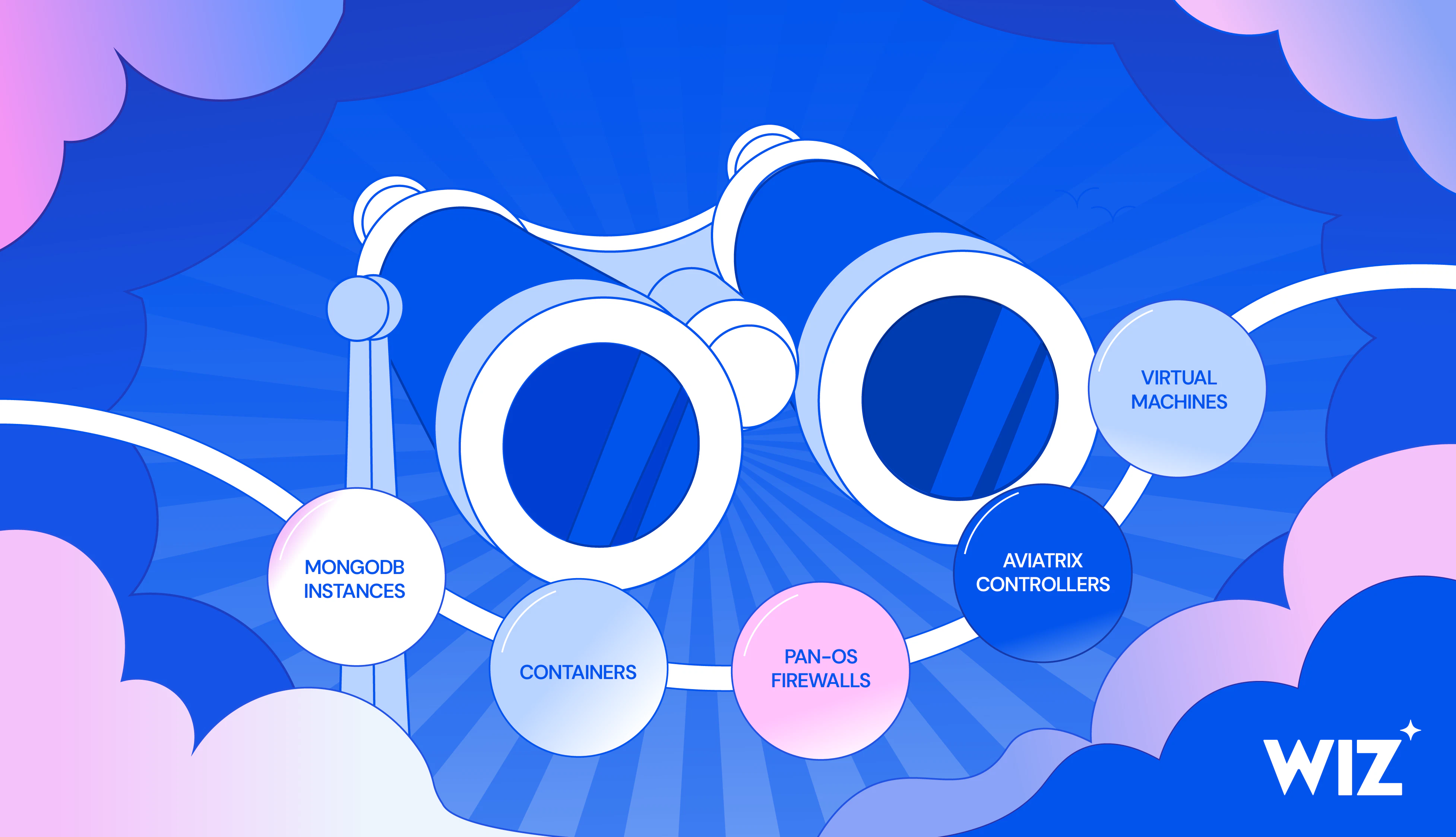
Providing unconditional visibility into your environment
Announcing the public preview of Wiz’s in-house Incident Response service—empowering customers to investigate, contain, and resolve cyber incidents with confidence