

What is a cloud engineer?
A cloud engineer is a technical expert responsible for architecting, implementing, and managing an organization's cloud infrastructure and services. This role involves working across the full cloud lifecycle, from initial planning and design to deployment and ongoing optimization.
Unlike traditional system administrators, a cloud engineer focuses on cloud-native services, automation, and infrastructure as code. You are responsible for ensuring that cloud environments remain secure, scalable, cost-effective, and compliant with all organizational policies.
Cloud engineers serve as technical translators who convert business requirements into practical cloud architecture decisions. This requires close collaboration with security teams, developers, and operations to maintain the overall health of the cloud environment.
AWS Security Best Practices [Cheat Sheet]
This cheat sheet goes beyond the essential AWS security best practices and offers actionable step-by-step implementations, relevant code snippets, and industry- leading recommendations to fortify your AWS security posture.

Core cloud engineer responsibilities and daily tasks
The primary responsibilities of this role break down into infrastructure design, deployment automation, security implementation, and performance monitoring. Own infrastructure provisioning using tools like Terraform, CloudFormation, or Azure Resource Manager (ARM) and Bicep templates.
Configuration management is another critical task. This involves maintaining consistency across development, staging, and production environments to prevent errors.
Monitoring and observability: Set up logging, metrics, and alerting with cloud-native services (Amazon CloudWatch, Azure Monitor, Google Cloud Monitoring) to track system health. Agentless, cloud-native telemetry reduces operational overhead and improves coverage across ephemeral workloads.
Security responsibilities: Implement least-privilege access controls, manage secrets with services like AWS Secrets Manager, Azure Key Vault, and Google Secret Manager, and enforce compliance guardrails.
Collaboration: You work with development teams to optimize application deployment and troubleshoot cloud-related issues.
Cloud engineering duties also include cost optimization. This means rightsizing resources, implementing auto-scaling, and actively managing cloud spend.
Documentation is essential for this role. You must maintain clear records of infrastructure configurations, runbooks, and standard operating procedures. Finally, you will participate in incident response whenever cloud infrastructure issues arise.
Essential technical skills and qualifications
Core technical competencies for this role include deep knowledge of at least one major cloud platform, such as AWS, Azure, or GCP, especially as 80% of companies now operate in multicloud environments. You must also be proficient in infrastructure as code tools, as 72% of organizations now use IaC for modern cloud engineering.
Networking expertise is vital. Understand VPCs/VNets/VPC networks, subnets, load balancers, DNS, security groups/NSGs/firewall rules, and private connectivity (PrivateLink, Private Endpoint, Private Service Connect).
Scripting skills: Proficiency in languages like Python, Bash, PowerShell, or Go is typically required.
Containerization: You should have knowledge of Docker and orchestration tools like Kubernetes.
CI/CD pipelines: Experience with tools like Jenkins, GitLab CI, or GitHub Actions is necessary for automation and implementing CI/CD pipeline security aligned with NIST SSDF and SLSA concepts.
Security fundamentals are a non-negotiable requirement. This includes understanding identity and access management, encryption, and general security best practices. Understand managed databases and storage services (Amazon RDS, Cloud SQL, Cosmos DB, S3, Azure Blob, Cloud Storage) and their security controls.
Understanding cloud cost management and optimization strategies is increasingly important. Soft skills are also critical, including problem-solving, communication with non-technical stakeholders, and the ability to work in cross-functional teams.
Educational backgrounds vary from computer science degrees to self-taught paths with relevant certifications. Valuable certifications include AWS Certified Solutions Architect, Azure Administrator, or Google Cloud Professional Cloud Architect.
Cloud engineer specializations and career paths
Cloud engineering is broad, so professionals often specialize in specific areas. A cloud architect focuses on high-level design, strategy, and enterprise-wide cloud adoption.
A cloud security engineer emphasizes security posture management, compliance, and threat detection. Alternatively, a cloud DevOps engineer bridges development and operations with a focus on automation and continuous delivery.
Cloud network engineer: Focuses on network architecture, connectivity, and performance optimization.
Site reliability engineer (SRE): Emphasizes system reliability, incident response, and service level objectives.
Cloud platform engineer: Focuses on building and maintaining internal developer platforms.
A cloud solutions architect works directly with stakeholders to design and guide implementation of scalable, secure cloud solutions. Career progression typically moves from a junior cloud engineer to senior roles, and eventually to architect or management positions. There is significant flexibility to move between specializations as your skills and interests develop.
10 Cloud engineer interview questions for hiring managers
This list of questions helps you reveal a candidate's technical capability and their security mindset. Use these prompts to uncover whether candidates can apply context by linking code, identities, infrastructure, and data to prioritize what truly matters.
Mehr lesen

Security responsibilities in modern cloud engineering
Modern cloud engineers adopt a shift-left security approach and zero-trust principles across identity, network, applications, and data. This means integrating security from the very start of infrastructure design rather than adding it later.
You are responsible for implementing security controls such as network segmentation, encryption, and access policies. The role also involves vulnerability management, which includes scanning infrastructure, patching systems, and remediating security issues.
Compliance: Map controls to frameworks like SOC 2, ISO 27001, PCI DSS, HIPAA, and CIS Benchmarks; automate evidence collection where possible.
Least privilege: Implement strict access controls and manage identity and access management systems. Context-aware platforms help identify effective permissions and risky paths across identities and resources, making least privilege enforcement practical at scale.
Secrets management: Securely storing and rotating credentials and API keys.
Play a key role in security monitoring and incident response, including log coverage (CloudTrail, Azure Activity Log, Admin Activity), runbooks, and containment automation. This requires collaboration with dedicated security teams to implement security tooling and respond to threats.
It is important to understand security frameworks and how they apply to cloud infrastructure. There is a growing expectation that cloud engineers will proactively identify and remediate security risks.
Security considerations directly affect architecture decisions, from network design to service selection. You must maintain a balance between strict security requirements and operational efficiency.
A global enterprise reduced critical cloud security issues by integrating Wiz into engineering workflows, enabling developers to understand and remediate issues without slowing delivery.
Watch 12-min demo
See how agentless scanning secures encrypted workloads across AWS, Azure, and GCP without compromising data protection.
Watch now
Salary expectations and market demand
There is a high demand for cloud engineers across all industries and company sizes. Factors that influence cloud engineer compensation include your experience level, location, and specialization.
Typical salary ranges vary for entry-level, mid-level, and senior cloud engineer positions, with the median salary at $103,984 (U.S.-based; actuals vary by region, role scope, and industry). Geographic variations also play a role, with higher salaries often found in major tech hubs.
Factors that move compensation:
Industry premiums: Financial services and healthcare typically pay 15–25% above baseline due to compliance complexity
On-call responsibilities: SRE roles with 24/7 on-call rotation command 10–20% higher salaries
Clearance requirements: Public sector roles requiring security clearance pay 20–30% premiums
Multi-cloud expertise: Proficiency across AWS, Azure, and GCP increases compensation by 10–15%
Security specialization: Cloud security engineers earn 15–20% more than general cloud engineers
Geographic location: Major tech hubs (San Francisco, New York, Seattle) pay 30–50% above national median
Additional factors: Certifications, multi-cloud expertise, and security specialization can increase compensation.
Competitive market: Cloud engineers often receive multiple offers due to the talent shortage.
Career growth: Compensation increases significantly with specialization and leadership responsibilities.
The trend toward remote work has expanded opportunities beyond specific geographic constraints. Continuous learning and certification are valuable for maintaining competitive compensation in this field.
Cloud Engineer Job Description Template
Copy this template and customize it for your organization's needs.
Position: Cloud Engineer
Department: Engineering / Infrastructure / DevOps
Reports to: Director of Cloud Infrastructure / VP of Engineering
Job Summary: We're looking for a cloud engineer to design, deploy, and maintain secure, scalable infrastructure across [AWS/Azure/GCP]. You'll work with security, development, and operations teams to automate deployments, enforce compliance, and optimize cloud costs.
Key Responsibilities:
Design and implement cloud infrastructure using infrastructure as code tools
Enforce least-privilege access controls and manage secrets with cloud-native secrets management services
Build CI/CD pipelines aligned to NIST SSDF and SLSA frameworks
Monitor infrastructure health using cloud-native monitoring and observability platforms
Map controls to SOC 2, ISO 27001, PCI DSS, HIPAA, and CIS Benchmarks
Participate in incident response, including log analysis and containment automation
Optimize cloud costs through rightsizing, auto-scaling, and resource tagging
Document infrastructure configurations, runbooks, and standard operating procedures
Required Qualifications:
3+ years of experience with AWS, Azure, or GCP
Proficiency in infrastructure as code
Strong networking knowledge (VPCs/VNets, subnets, load balancers, security groups/NSGs)
Scripting skills in Python, Bash, PowerShell, or Go
Experience with Docker and Kubernetes
Understanding of IAM, encryption, and security best practices
Familiarity with compliance frameworks (SOC 2, ISO 27001, PCI DSS, HIPAA)
Preferred Qualifications:
AWS Certified Solutions Architect, Azure Administrator, or Google Cloud Professional Cloud Architect
Experience with agentless cloud security and code-to-cloud risk correlation
Multi-cloud environment experience
Background in security engineering or DevSecOps
Benefits:
Competitive salary ($85K–$140K depending on experience and location)
Remote work flexibility
Professional development budget for certifications and training
Health, dental, and vision insurance
401(k) matching
How Wiz empowers cloud engineers to build secure infrastructure at scale
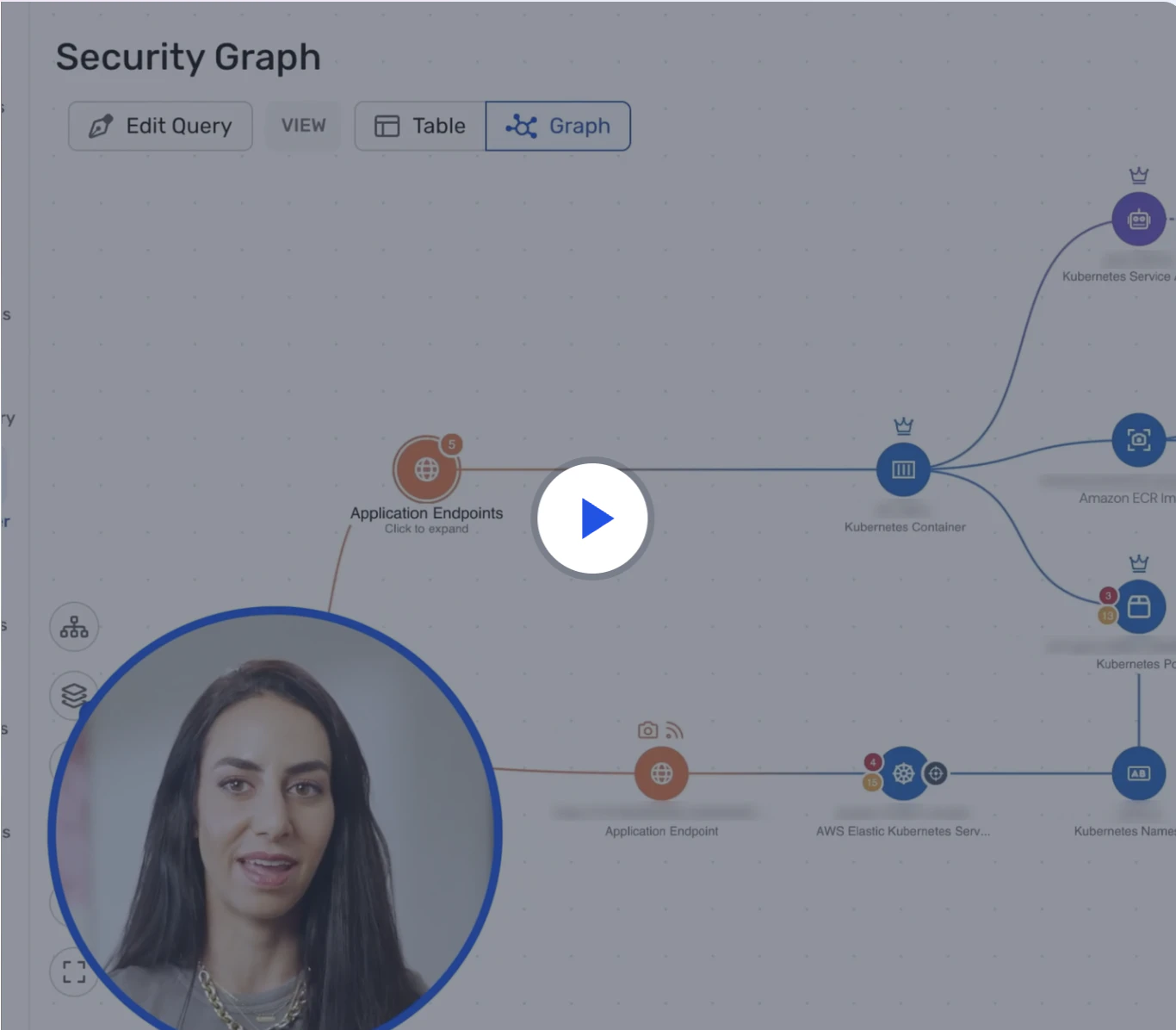
Wiz provides agentless visibility across multi-cloud environments, eliminating operational overhead for cloud engineers. The Wiz Security Graph delivers context-driven risk prioritization by correlating misconfigurations, vulnerabilities, identities, network exposure, and data to surface real attack paths—not isolated findings.
Wiz Code integrates security directly into IaC workflows, scanning infrastructure as code templates before deployment to catch issues early.
Code-to-cloud correlation: Traces runtime security issues back to the exact IaC that created the problem.
Unified policy framework: Ensures consistency between CI/CD pipeline checks and deployed resource monitoring.
Democratized security: Gives cloud engineers direct visibility into the security posture of the infrastructure they own.
Wiz provides actionable remediation guidance that respects your expertise and workflows. The platform offers integration capabilities that fit seamlessly into existing cloud engineering toolchains and processes. This helps you balance innovation velocity with necessary security requirements.
Ready to build securely without slowing down? Explore code-to-cloud visibility and risk-based remediation get a personalized demo.
See for yourself...
Learn what makes Wiz the platform to enable your cloud security operation
