



What is configuration drift?
Configuration drift is the gradual divergence of system configurations from their intended baseline state due to untracked changes over time. Manual updates, software patches, or environmental factors often alter your infrastructure without proper documentation or version control.
Understanding configuration drift is critical for maintaining security and operational stability. When systems drift from their known good state, you lose visibility into what's actually running in production. Poor visibility makes troubleshooting harder and creates security vulnerabilities.
Cloud Security Assessment
Evaluate your cloud security practices across 9 security domains to benchmark your risk level and identify gaps in your defenses.

Preventing drift through configuration management
Configuration management provides centralized control over system settings and infrastructure state. It ensures that all environments maintain consistent, documented configurations that teams can track, audit, and reproduce reliably.
Effective configuration management prevents drift by establishing a single source of truth for all system settings. When teams use version control platforms like Git to manage configurations, they gain complete visibility into what changed, when, and who made the change.
This approach delivers two critical advantages:
Consistency and stability: Configuration management ensures systems and applications run as intended, without interruptions and unforeseen errors. It’s the backbone of an organization's IT infrastructure, facilitating smooth operations and reducing downtime.
Predictability: Predictability goes hand in hand with stability. Your team can foster a predictable IT environment by reducing unexpected system behavior through diligent configuration management. For instance, imagine a team using automated tools to regularly scan and verify server configurations against a predefined standard. These tools automatically flag and correct deviations, ensuring all servers remain consistent with the desired configuration. Constant verification ensures that when teams deploy new software or run updates, misconfigurations won’t cause unexpected behaviors. Predictability translates to fewer surprises and a more streamlined approach to system updates and changes.
Why vulnerability management relies on configuration management
Let's examine how drift impacts vulnerability management.
Unintended exposures occur when configuration drift creates security gaps without team awareness. A firewall rule that gets modified during troubleshooting but never reverted, or a database connection that defaults to less secure settings after an update, exposes sensitive systems to unauthorized access.
Active configuration monitoring catches these security deviations before they become attack vectors.
Inconsistent patch management becomes a major risk when configuration drift stalls update processes. Systems that drift from their baseline configuration often skip critical security patches, apply them incorrectly, or revert to vulnerable states after updates.
This creates dangerous security gaps, with some systems remaining protected while others become vulnerable to known exploits.
Watch 12-minute demo
See how Wiz detects drift in real time and traces every deviation back to its source.

What is the impact and cost of configuration drift?
Configuration drift rarely shows up as a single, obvious problem. Instead, it accumulates quietly across operations, security, and finance. And the longer it goes unchecked, the more expensive it becomes to unwind.
Operations slow down
When configurations drift from the established baseline, identifying untracked changes takes hours. Teams have to sift through changes to pinpoint issues, which delays troubleshooting, prolongs system downtimes, and hurts business continuity.
Drift not only causes delays but also increases maintenance overhead. Teams expend extra effort realigning configurations—a process that stringent configuration management prevents—inflating operational costs.
Security gaps widen
Drift creates security holes that pave the way for breaches. The severity of breaches ranges from unauthorized data access to complete system takeovers. These breaches can lead to financial losses, damage the organization's reputation, trigger legal repercussions, and erode customer trust. Unchecked risks threaten an organization’s overall health and sustainability.
Regulatory compliance is a cornerstone of enterprise security. Drift can cause systems to deviate from regulatory standards, inviting security risks and legal repercussions like hefty fines and reputational damage.
Costs add up
Fixing drift-related issues incurs direct costs. Organizations might face additional cloud bills from misconfigured resources or the financial burden of responding to security breaches. Breach costs can balloon if they're not promptly addressed.
The indirect costs of configuration drift can be even greater. These include potential loss of business during downtime or reputational damage following a security breach. Indirect costs can have long-lasting effects on an organization's financial health.
What are the causes of configuration drift?
Identifying the causes of drift enables proactive prevention, avoiding reactive firefighting. Understanding how configurations change unexpectedly lets you set up targeted controls to stop drift before it impacts operations or creates security gaps.
The most common causes fall into three categories, each requiring specific prevention strategies:
Human factors
Manual interventions: Changes made without proper documentation can lead to configuration drift. It's not uncommon for administrators to make quick fixes or adjustments but forget to document them, which can lead to drift from the baseline configuration.
Oversights: Human error, including oversights in the configuration process, can also cause drift. These errors might stem from a lack of understanding or from simple mistakes that accumulate over time, resulting in a significant deviation from the intended configuration.
Software and hardware influences
Software updates: Software updates improve security but often trigger unanticipated configuration changes. Poorly managed updates can lead to drift, affecting system stability and security.
Hardware changes: Hardware updates or replacements can also impact configuration settings. For instance, replacing a network card or adding new storage devices can alter system configurations and cause drift if you don’t adequately monitor and manage the changes.
Environmental factors
Lack of synchronization: In multi-instance environments, a lack of synchronization between instances can lead to discrepancies that fuel configuration drift as each instance evolves independently.
External interactions: Third-party integrations with external systems can sometimes cause drift. Integrations often introduce new configurations or alter existing ones, deviating from the baseline configuration and potentially introducing vulnerabilities.
Configuration drift examples
Web server drift
Web server drift typically occurs when security settings change without documentation during maintenance or troubleshooting. A common example involves SSL/TLS configurations that get modified to resolve connectivity issues but never get restored to secure defaults.
When administrators disable HSTS or downgrade cipher suites to fix immediate problems, these temporary changes often become permanent, creating ongoing security vulnerabilities.
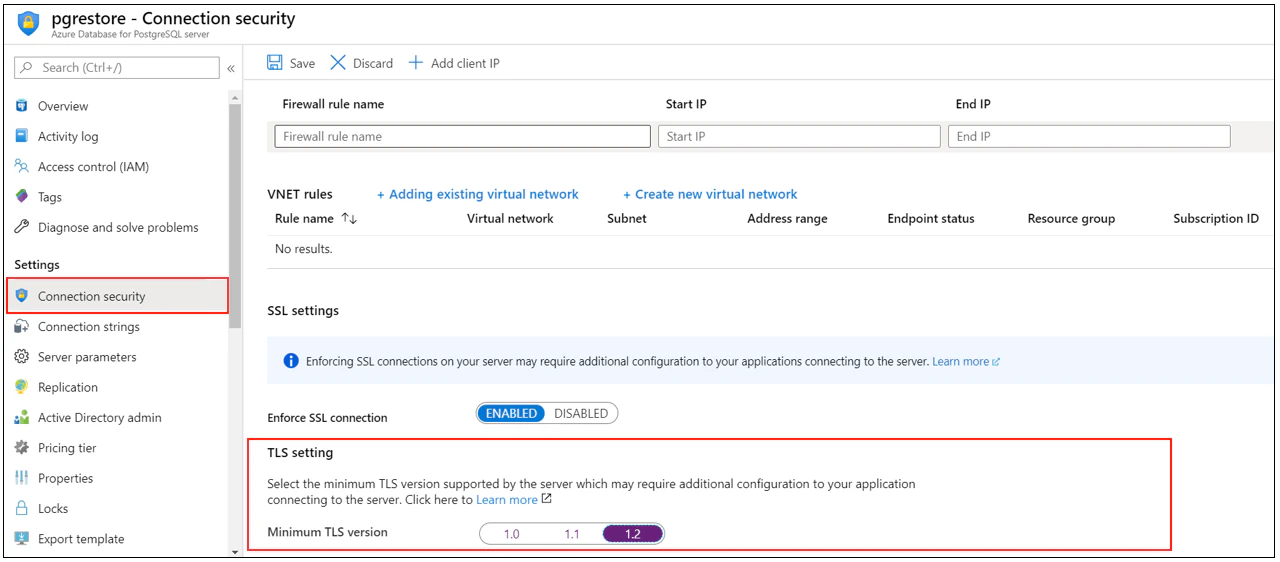
Drifted encryption settings expose sensitive data to unauthorized users and make the system susceptible to man-in-the-middle (MitM) attacks.
Database configuration drift
Databases are the backbone of many applications, so maintaining their stability is crucial. Imagine a situation where someone alters the maximum connection limits in MySQL or PostgreSQL. Setting a very high limit can overwhelm server resources, while setting it too low can restrict legitimate traffic. The configuration file below shows how increasing the maximum connection value to 1,000, over the default 100, overloads the database and triggers performance issues or even system crashes:
$ cat /etc/postgresql/14/main/postgresql.conf
max_connections = 1000
shared_buffers = 80MB
Altering connection limits can degrade performance, cause bottlenecks, and affect overall application performance. Incorrect connection limits may create avenues for Denial of Service (DoS) attacks.
Firewall rule drift
Firewalls are the first line of defense in network security, and that's why optimal configuration is paramount. Drift often occurs when a developer temporarily opens ports on a firewall for testing or troubleshooting but fails to properly close them afterward. SSH (port 22) or RDP (port 3389) ports are common targets for attackers:
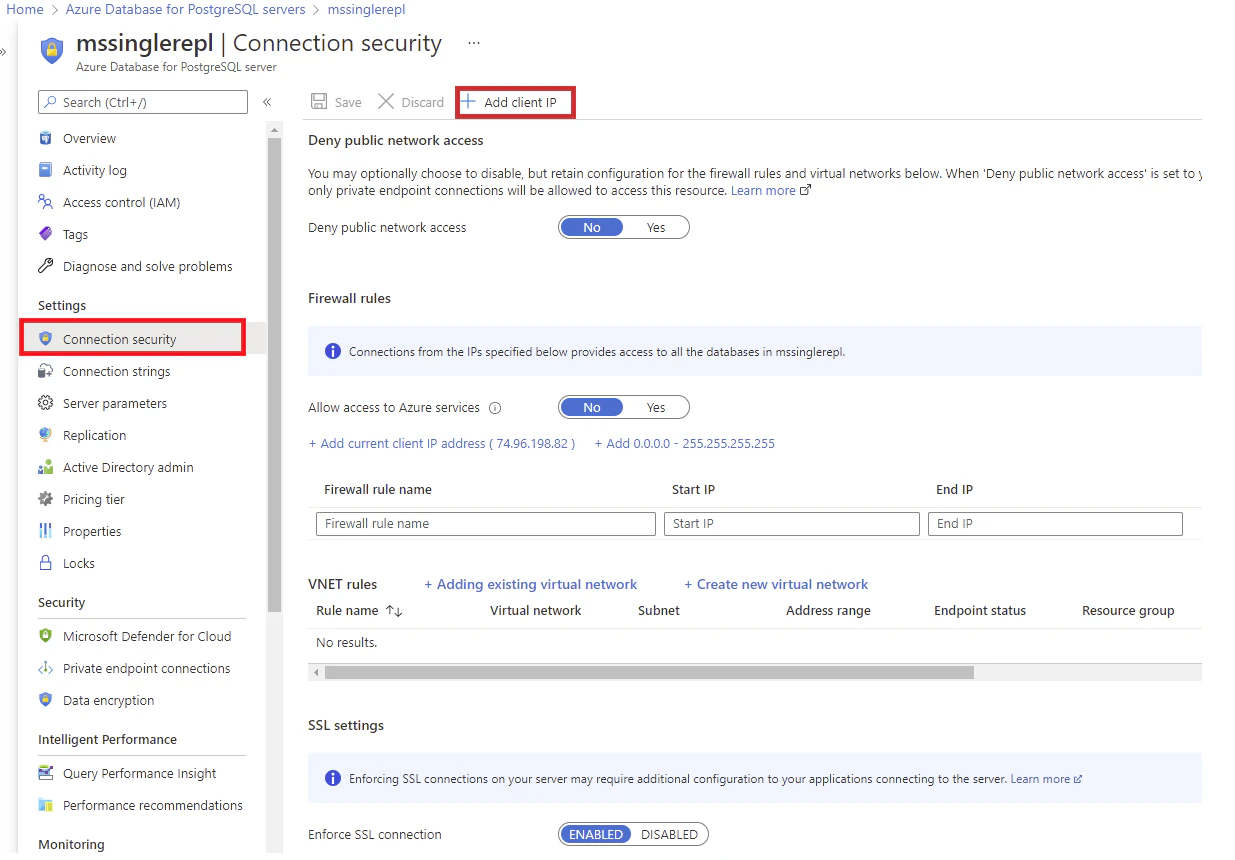
Wiz’s agentless scanning would immediately detect this type of firewall misconfiguration and correlate it with other risk factors to prioritize remediation.
Security Leaders Handbook
The strategic guide to cloud security

How can teams prevent configuration drift?
Preventing configuration drift requires a multi-layered strategy that combines automated monitoring, immutable infrastructure practices, and team collaboration. The most effective approach balances proactive prevention with reactive response capabilities.
Your prevention strategy should focus on three core areas:
Proactive measures
Automated monitoring
Utilize tools that offer real-time drift detection and notifications to stay on top of identifying and rectifying drifts:
# Example Prometheus rule to detect unexpected CPU usage
groups:
- name: config_drift_detection
  rules:
  - alert: PotentialConfigurationDrift
    expr: abs(deriv(node_cpu_seconds_total[1h])) > 0.05
    for: 15m
    labels:
      severity: critical
    annotations:
      summary: "Potential Configuration Drift Detected"
      description: "A significant change in CPU usage has been detected, which might indicate a configuration drift."
Immutable infrastructure
Adopt infrastructure as code (IaC) practices to redeploy rather than modify infrastructure, ensuring a consistent and reproducible environment:
# Example Terraform script to create an AWS EC2 instance
resource "aws_instance" "web" {
  ami           = "ami-123456"
  instance_type = "t2.micro"

  tags = {
    Name = "WebServer"
  }
}
Version control
Leverage version control systems for configuration files to track changes and revert when necessary, maintaining a historical record of all configurations:
# Example Git commands to create a new branch and track changes
git checkout -b feature_branch
git add config.yaml
git commit -m "Added new configuration settings"
git push origin feature_branch
Environment segregation
Keep development, staging, and production environments separate to prevent unintended configuration changes in production, maintaining the integrity of each environment:
# Example Docker Compose file to set up isolated environments
version: '3'
services:
  web:
    image: nginx:alpine
    environment:
      - ENVIRONMENT=development
    ports:
      - "8080:80"
Reactive measures
Reactive measures involve responding to issues as they arise. While proactive measures are preferred, reactive strategies are equally important.
Regular audits
Conduct periodic configuration reviews against a known baseline to identify and address drifts, maintaining a secure and efficient system:
# Example script to audit system configurations
#!/bin/bash
if [[ $(grep "PermitRootLogin no" /etc/ssh/sshd_config) ]]; then
  echo "Root login is disabled"
else
  echo "Root login is enabled"
fi
Documentation
Keep comprehensive documentation of all changes, clarifying the reasons for each change and its expected impact, fostering transparency and accountability.
Rollback strategies
Have a plan in place to quickly rollback configurations to a stable version in case of issues, minimizing downtime and maintaining system integrity:
# Example script to rollback to a previous configuration state
#!/bin/bash
git reset --hard HEAD~1
systemctl restart nginx.service
Collaboration and communication
Collaboration and communication form the bedrock of effective configuration management. When developers and operations teams regularly sync on configuration standards and updates, they reduce the likelihood of conflicts and ensure smoother deployments.
Change management
Implement a robust change management process that requires approval for configuration changes, ensuring a structured and accountable approach to configuration management:
# Example change request template in a ticketing system
Ticket ID: CR-12345
Requester: John Doe
Description: Update Nginx worker processes from 4 to 8
Justification: To improve server performance
Approver: [Pending Approval]
Feedback loops
Establish channels for operations and development teams to discuss configuration changes and their impacts, creating a collaborative, informed work environment.
Alerts
Set up alerts for unauthorized or unexpected configuration changes, ensuring immediate notification and prompt action in case of drifts:
# Example Alertmanager configuration to set up alerts
route:
  group_by: ['alertname']
  group_wait: 30s
  group_interval: 5m
  repeat_interval: 3h
  receiver: 'team-X-mails'
receivers:
- name: 'team-X-mails'
  email_configs:
  - to: 'team-X@example.com'
Tooling and automation
In modern IT, tooling and automation ensure a resilient and efficient infrastructure. Using the right tools and automation strategies can significantly reduce the risks associated with configuration drift.
Configuration management tools
Use configuration management tools to automate the deployment and management of configurations across various environments, ensuring consistency and compliance with the desired state:
# Example Ansible playbook to configure a web server with advanced settings
---
- name: Advanced Web Server Configuration
  hosts: webservers
  vars:
    http_port: 80
    max_clients: 200
  tasks:
    - name: Ensure Nginx is installed
      apt:
        name: nginx
        state: present
    - name: Configure Nginx
      template:
        src: /path/to/nginx.conf.j2
        dest: /etc/nginx/nginx.conf
      notify:
        - Restart Nginx
  handlers:
    - name: Restart Nginx
      systemd:
        name: nginx
        state: restarted
The Ansible playbook above uses a template to dynamically configure NGINX settings for a more flexible and maintainable configuration management strategy.
Automated testing
Implement automated testing pipelines that validate configurations against predefined standards, promoting reliability and efficiency:
// Example Jenkins pipeline to run configuration tests with stages
pipeline {
    agent any
    stages {
        stage('Checkout') {
            steps {
                checkout scm
            }
        }
        stage('Test') {
            steps {
                script {
                    def tests = load 'tests.groovy'
                    tests.run()
                }
            }
        }
        stage('Report') {
            steps {
                publishHTML(target: [
                    allowMissing: false,
                    alwaysLinkToLastBuild: true,
                    keepAll: true,
                    reportDir: 'report',
                    reportFiles: 'index.html',
                    reportName: 'Test Report'
                ])
            }
        }
    }
}
This Jenkins pipeline introduces a reporting stage to generate and publish a detailed test report, enhancing visibility into the test results and facilitating quicker feedback loops.
Backup and restore
Develop robust backup and restore strategies that safeguard configurations and facilitate a quick recovery in the event of failures, ensuring business continuity. Regularly test these backups to make sure they’re functional and can be relied on during critical moments.
Tools like Wiz provide continuous configuration monitoring with real-time drift detection, automatically flagging deviations from your established security baselines.
How Wiz can help
Wiz addresses configuration drift by detecting cloud misconfigurations in real time and enforcing automated policies across your entire infrastructure. The platform continuously monitors your cloud resources against established baselines, identifying deviations before they impact security or operations.
With a centralized platform, Wiz empowers security and development teams by providing visibility, context, and risk prioritization throughout the development lifecycle. Standout features include:
Real-time detection of cloud misconfigurations: Wiz detects critical cloud misconfigurations in real time, a pivotal part of managing configuration drift effectively.
Vulnerability management: The platform facilitates rapid fixes for vulnerabilities, matching the scale and speed of the cloud.
Container and Kubernetes security: Wiz removes risks across containerized environments, a crucial aspect for maintaining a secure and stable system.
Infrastructure as code (IaC) scanning: Secure your cloud from source to production with Wiz's IaC scanning, promoting a proactive approach to configuration management.
To see how Wiz can detect and prevent configuration drift in your environment, request a demo to explore how Wiz can secure your cloud environment.
See for yourself...
Learn what makes Wiz the platform to enable your cloud security operation
