

Qu'est-ce qu'un ingénieur infrastructure ?
Un ingénieur infrastructure conçoit, construit et maintient les systèmes fondamentaux qui font fonctionner les applications et les activités commerciales. Cela inclut les serveurs, les réseaux, le stockage, les ressources cloud et les plateformes de conteneurs. La mission principale est de garantir que ces systèmes restent fiables, évolutifs, sécurisés et performants.
Le rôle a considérablement évolué au cours de la dernière décennie. Alors qu'autrefois les ingénieurs infrastructure passaient leurs journées à installer des serveurs physiques et à brancher des câbles dans des centres de données, beaucoup définissent aujourd'hui les environnements par le code à l'aide d'outils tels que Terraform et CloudFormation. Ce passage à l'infrastructure en tant que code (IaC) signifie que les modifications d'infrastructure sont contrôlées par version, reproductibles et auditables.
L'ingénieur infrastructure informatique d'aujourd'hui travaille principalement dans des environnements cloud, bien que de nombreuses organisations maintiennent encore des configurations hybrides avec des systèmes sur site. Les plateformes d'orchestration de conteneurs telles que Kubernetes sont devenues la norme, ajoutant une couche supplémentaire de complexité à la gestion de l'infrastructure. Comprendre la posture de sécurité et la conformité n'est plus facultatif. C'est indissociable du rôle, car les erreurs de configuration peuvent exposer les organisations à des violations et à des sanctions réglementaires.
Guide de marché Gartner® 2025 pour les CNAPP
Les équipes de sécurité rationalisent leurs outils, harmonisent leurs flux de travail et privilégient les plateformes offrant un contexte de bout en bout. Le Guide du marché Gartner® 2025 pour les plateformes de protection des applications natives du cloud (CNAPP) analyse cette évolution et expose les points clés à prendre en compte par les responsables de la sécurité à mesure que le marché arrive à maturité.

Que fait un ingénieur infrastructure ?
Les ingénieurs infrastructure gèrent quatre domaines de responsabilité principaux. La répartition spécifique varie en fonction de la taille de l'organisation, de la maturité du cloud et du secteur d'activité. Les petites organisations peuvent n'avoir qu'un seul ingénieur infra qui gère tout, tandis que les grandes entreprises emploient des spécialistes pour chaque domaine.
Concevoir et déployer l'infrastructure
Les ingénieurs infrastructure conçoivent des architectures système pour une haute disponibilité et la reprise après sinistre. Ils planifient la capacité pour faire face à la croissance prévue et conçoivent des systèmes tolérants aux pannes capables de survivre aux pannes de composants. L'automatisation du déploiement à l'aide d'outils IaC tels que Terraform, CloudFormation ou Pulumi est une pratique courante, réduisant le risque d'erreur humaine qui provoque près de 40 % des pannes majeures selon l'Uptime Institute. Les ingénieurs créent des modèles et des gabarits que les équipes de développement utilisent pour provisionner les ressources de manière cohérente, et la plupart des équipes utilisent désormais des flux de travail GitOps où les modifications d'infrastructure font l'objet d'une revue de code avant le déploiement.
Gérer les réseaux et la connectivité
La configuration réseau dans les environnements cloud implique des VPC, des sous-réseaux, des tables de routage et des groupes de sécurité. Les ingénieurs infrastructure configurent des équilibreurs de charge pour distribuer le trafic, gèrent les enregistrements DNS et mettent en place des CDN pour les performances. Le réseau cloud diffère du réseau traditionnel sur site car il est défini par logiciel, piloté par API et éphémère. La segmentation du réseau et la micro-segmentation restent essentielles pour la sécurité, limitant le rayon d'impact en cas d'incident.
Maintenir la fiabilité et les performances du système
La surveillance et l'observabilité sont des préoccupations quotidiennes. Les ingénieurs infrastructure configurent des tableaux de bord, paramètrent des alertes et construisent des pipelines de journalisation pour suivre la santé du système. Ils participent à la gestion des incidents et aux rotations d'astreinte, intervenant lorsque les systèmes tombent en panne. La gestion de la capacité et la configuration de la mise à l'échelle automatique aident à absorber les pics de trafic sans intervention manuelle. Le succès se mesure à l'aide de métriques de temps de disponibilité, de percentiles de latence et de taux d'erreur liés à des SLA.
Assurer la sécurité et la conformité
Les ingénieurs infrastructure ont désormais pour responsabilité centrale la configuration sécurisée. Cela implique de mettre en œuvre un accès au moindre privilège, de configurer le chiffrement au repos et en transit, et de gérer correctement les groupes de sécurité. Les erreurs de configuration telles que des buckets S3 ouverts, des rôles IAM trop permissifs, et des bases de données exposées créent de réels risques. Les cadres de conformité tels que SOC 2, PCI DSS et HIPAA exigent des contrôles que les ingénieurs infrastructure mettent en place et maintiennent. Les responsabilités courantes incluent la configuration du chiffrement au repos et en transit, l'activation des journaux d'audit pour les événements d'accès, l'application d'une segmentation réseau entre les environnements, le maintien du scan des vulnérabilités et des SLA de correction, ainsi que la production de preuves pour les audits de conformité. La visibilité sur l'ensemble des ressources cloud est devenue essentielle pour comprendre où se situent réellement les risques. En pratique, le plus difficile n'est pas de trouver les problèmes, mais de prouver lesquels sont exploitables dans votre environnement en fonction de l'exposition, des autorisations et de l'accès aux données.
Ingénieur infrastructure vs. ingénieur DevOps vs. SRE
Ces trois rôles se chevauchent considérablement et de nombreuses organisations utilisent ces titres de manière interchangeable. Comprendre les distinctions aide à clarifier les parcours professionnels et les attentes liées aux postes.
| Aspect | Infrastructure Engineer | DevOps Engineer | SRE | Platform Engineer |
|---|---|---|---|---|
| Primary Focus | Foundational systems (compute, network, storage) | CI/CD pipelines and deployment automation | Service reliability and error budgets | Internal developer platforms and self-service tooling |
| Key Responsibilities | Architecture, provisioning, maintenance | Build/release automation, tooling | Incident response, capacity planning | Developer experience, platform APIs, golden paths |
| Typical Tools | Terraform, Ansible, cloud consoles | Jenkins, GitHub Actions, ArgoCD | Prometheus, PagerDuty, chaos engineering | Backstage, Crossplane, internal portals |
Les ingénieurs infrastructure se concentrent sur les plates-formes sur lesquelles tout s'exécute. Les ingénieurs DevOps mettent l'accent sur le rapprochement du développement et des opérations grâce à l'automatisation. Les SRE appliquent des pratiques d'ingénierie logicielle aux problèmes de fiabilisation. Les parcours professionnels passent souvent d'un rôle à l'autre à mesure que les compétences se développent. Dans de nombreuses organisations natives du cloud, la différenciation tient moins au titre qu'à la partie du système dont vous avez la charge et à la manière dont vous réduisez les risques tout en maintenant une livraison rapide.
Types d'ingénieurs infrastructure
Les spécialisations au sein de l'ingénierie des infrastructures vous permettent de vous concentrer sur des domaines spécifiques en fonction des besoins de l'organisation et de vos intérêts personnels.
Ingénieur infrastructure cloud
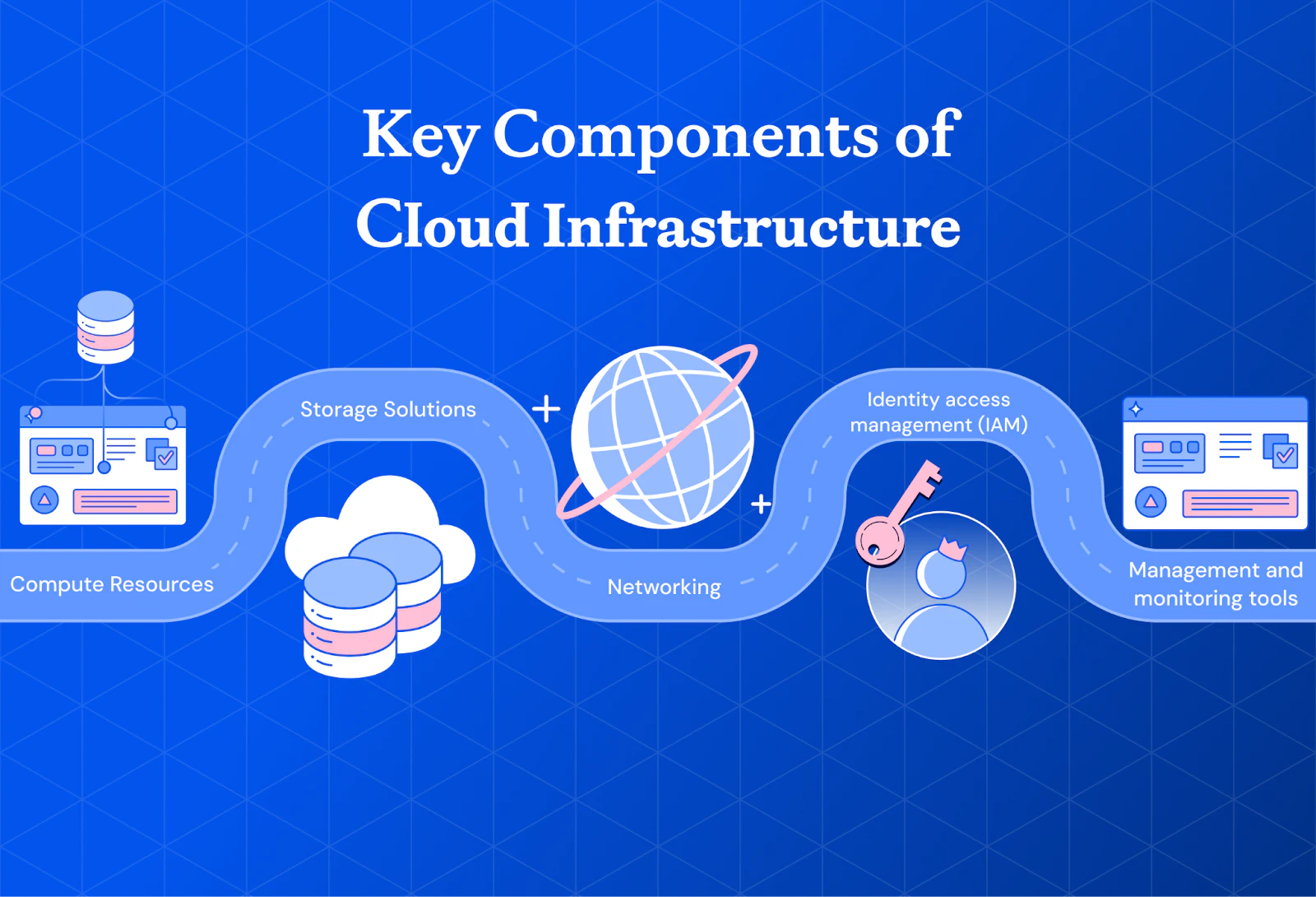
Il s'agit de la spécialisation la plus courante à mesure que les organisations migrent vers le cloud. Ces ingénieurs développent une expertise approfondie dans les services AWS, Azure ou GCP et les modèles d'architecture natifs du cloud. Les responsabilités comprennent l'optimisation des coûts (citée comme un défi majeur par 84 % des utilisateurs du cloud), les déploiements multi-régions et l'utilisation efficace des services spécifiques au cloud.
Ingénieur infrastructure réseau
Les spécialistes du réseau se concentrent sur des protocoles tels que TCP/IP, BGP et DNS, ainsi que sur les pare-feu, les équilibreurs de charge (load balancers) et la connectivité. Ils gèrent la sécurité des réseaux, la configuration des VPN et la connectivité cloud hybride. Ce rôle chevauche l'ingénierie réseau traditionnelle mais requiert des compétences spécifiques au cloud.
Ingénieur infrastructure de données
Les spécialistes des données gèrent les bases de données (SQL et NoSQL), les pipelines de données et les systèmes de stockage. Les responsabilités comprennent la réplication des données, les stratégies de sauvegarde et l'optimisation des performances. Ce rôle chevauche l'ingénierie des données, mais se concentre davantage sur l'infrastructure que sur la transformation des données.
Ingénieur infrastructure axé sur la sécurité
Ce rôle hybride émergent combine des responsabilités d'infrastructure et de sécurité au sein de organisations DevSecOps. Ces ingénieurs mettent en œuvre des contrôles de sécurité, gèrent l'identité et les accès, et garantissent la conformité. La demande augmente à mesure que les organisations intègrent la sécurité en amont (shift-left) et l'intègrent aux équipes d'infrastructure.
Regarder la démo de 12 minutes
Découvrez comment Wiz protège les environnements cloud, du code à l'exécution.
Regarder maintenant
Compétences essentielles pour les ingénieurs infrastructure
Les compétences techniques et relationnelles comptent toutes deux pour réussir sa carrière. Les exigences techniques spécifiques varient selon la spécialisation, mais certains fondamentaux s'appliquent à tous les parcours.
Compétences techniques
Administration Linux : la plupart des charges de travail cloud s'exécutant sur Linux, cela est essentiel
Principes fondamentaux du réseau : Concepts TCP/IP, DNS, HTTP et d'équilibrage de charge
Maîtrise des plates-formes cloud : Expertise approfondie dans au moins un grand fournisseur
Outils IaC : Terraform est le plus courant, ainsi que CloudFormation, Pulumi et Ansible
Orchestration de conteneurs : Fondamentaux de Kubernetes et Docker
Scripts : Python et Bash pour l'automatisation, PowerShell pour Windows
Compréhension de CI/CD : GitHub Actions, Jenkins ou GitLab CI
Compétences relationnelles
Les incidents d'infrastructure nécessitent un dépannage calme et méthodique sous pression. Vous devez communiquer clairement des concepts techniques à des parties prenantes non techniques. Les pratiques de documentation telles que les manuels d'exécution (runbooks), les diagrammes d'architecture et les registres de décision comptent pour le partage des connaissances au sein de l'équipe. Les ingénieurs d'infrastructure modernes collaborent au-delà des frontières des équipes de sécurité et de développement. L'apprentissage continu est essentiel étant donné la rapidité avec laquelle les technologies cloud évoluent.
Salaire et perspectives d'emploi d'un ingénieur infrastructure
La rémunération varie selon le niveau d'expérience, l'emplacement, la spécialisation cloud et le secteur d'activité.
| Experience Level | Typical Salary Range (USD) |
|---|---|
| Entry-level | $70K–$95K |
| Mid-level | $95K–$130K |
| Senior | $130K–$160K |
| Principal/Staff | $160K–$250K+ |
La demande reste forte dans les secteurs de la technologie, de la finance, de la santé et du gouvernement. L'accélération de la migration vers le cloud, les initiatives de transformation numérique et le besoin d'expertise en sécurité des infrastructure continuent de stimuler la croissance de l'emploi.
Comment devenir ingénieur infrastructure
Il n'y a pas de parcours unique requis pour accéder à l'ingénierie des infrastructures. Certains y accèdent par une formation formelle, d'autres par des rôles informatiques adjacents, et d'autres encore par l'auto-apprentissage et des certifications.
Acquérir des connaissances fondamentales
Les diplômes en informatique ou en technologies de l'information sont utiles mais ne sont pas strictement obligatoires. Les parcours d'auto-apprentissage utilisant des cours en ligne, de la documentation et des ateliers pratiques fonctionnent bien. La configuration de laboratoires à domicile ou l'utilisation de niveaux gratuits (free tiers) du cloud pour s'exercer aux fondamentaux des réseaux et aux systèmes d'exploitation permet d'acquérir une véritable expérience.
Acquérir de l'expérience dans le cloud et l'automatisation
Développer des compétences pratiques grâce à des ateliers, des projets personnels et l'expérimentation d'offres gratuites. Rédiger des configurations Terraform pour des projets personnels afin d'apprendre l'IaC (Infrastructure as Code). Acquérir de l'expérience en orchestration de conteneurs via des clusters Kubernetes locaux utilisant Minikube ou Kind. Contribuer à des projets d'infrastructure open source enrichit le portfolio et l'expérience.
Obtenir des certifications pertinentes
Parmi les certifications précieuses, on trouve AWS Certified Solutions Architect – Associate pour la validation des bases du cloud, Certified Kubernetes Administrator (CKA) pour l'orchestration de conteneurs, et HashiCorp Certified: Terraform Associate pour l'expertise en IaC. Les certifications valident les connaissances, mais les responsables du recrutement accordent davantage d'importance à l'expérience pratique.
Créer un portfolio et se préparer aux entretiens
Inclure des dépôts GitHub contenant du code IaC, des schémas d'architecture et des articles de blog expliquant les projets.
Les entretiens en infrastructure comportent généralement quatre types d'évaluation :
Conception de systèmes (45-60 minutes)
Concevoir une application web haute disponibilité répartie sur plusieurs zones de disponibilité
Architecturer une solution de reprise après sinistre avec des objectifs RTO/RPO définis
Planifier une migration d'un environnement sur site vers une infrastructure cloud
Scénarios de dépannage (30-45 minutes)
Débugger une erreur « 403 Forbidden » impliquant des fournisseurs IAM inter-comptes et OIDC
Examiner des pics de latence intermittents dans une application conteneurisée
Diagnostiquer la cause d'un échec de « Terraform apply » lié à des erreurs de permission
IaC et revue de code (30-45 minutes)
Examiner une configuration Terraform sous l'angle de la sécurité et des bonnes pratiques
Écrire un script pour automatiser une tâche opérationnelle courante
Identifier des problèmes dans un manifeste de déploiement Kubernetes
Comportement et gestion des incidents (30 minutes)
Décrire la manière dont vous avez géré un incident de production et communiqué son statut
Expliquer une décision technique que vous avez prise ainsi que les compromis impliqués
Discuter de votre méthode pour prioriser des demandes concurrentes émanant de plusieurs équipes
Entraînez-vous à exprimer votre processus de raisonnement et passez-vous des seules réponses finales. Les recruteurs évaluent l'approche de résolution de problèmes autant que les connaissances techniques.
Comment Wiz soutient l'ingénierie des infrastructures
L'ingénierie des infrastructures moderne exige d'équilibrer sécurité, fiabilité et rapidité au sein d'environnements cloud complexes. Wiz est une plateforme Cloud-Native Application Protection Platform (CNAPP) complète qui aide les équipes d'infrastructure à sécuriser les systèmes qu'elles conçoivent et maintiennent, du code au cloud et jusqu'à l'exécution, tout en réduisant la charge opérationnelle.
Sécurisez l'infrastructure avant le déploiement
Wiz Code analyse les modèles Terraform et CloudFormation directement dans les pipelines CI/CD, détectant les erreurs de configuration avant qu'elles n'atteignent la production. Cela prévient les problèmes de sécurité et les violations de conformité que les ingénieurs infrastructure passent souvent des heures à corriger après le déploiement. La plateforme met en corrélation les risques du code avec le contexte du cloud, aidant les équipes à résoudre les problèmes à la source plutôt qu'à dépanner les symptômes dans des environnements de production.
Obtenez une visibilité sur l'ensemble de l'infrastructure de production
Lorsque les modifications d'infrastructure atteignent la production, Wiz offre une visibilité complète grâce à :
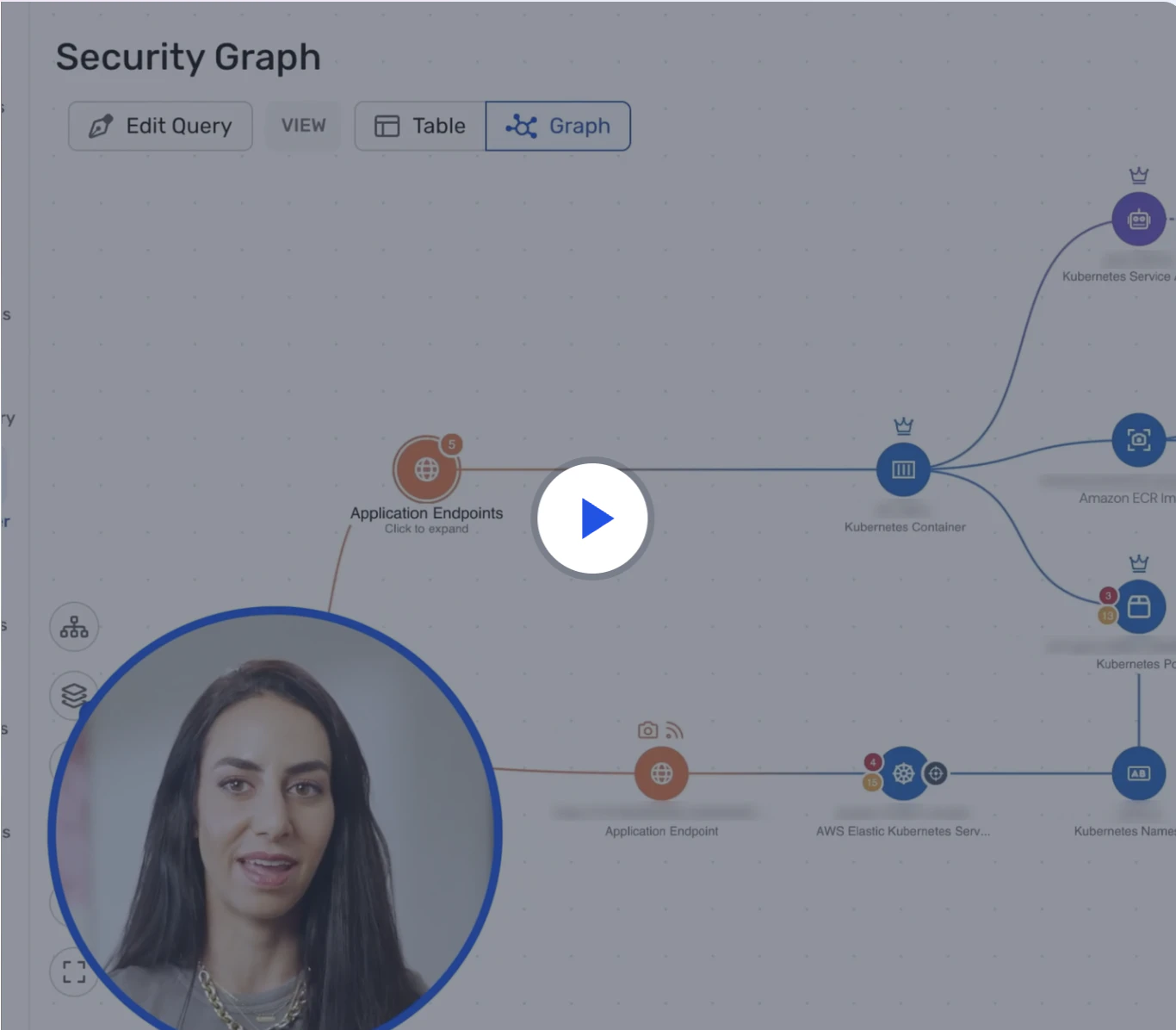
Security Graph : Visualise les relations entre les ressources de calcul, d'identité, de réseau et de données, montrant précisément comment les configurations créent des expositions de sécurité dans votre infrastructure.
Wiz Cloud : Propose une analyse sans agent dans les environnements multicloud pour identifier les erreurs de configuration, les vulnérabilités et les lacunes de conformité, sans nécessiter de modifications d'infrastructure ni impacter les performances.
Wiz Defend : Fournit des fonctionnalités de détection et de réponse dans le cloud (CDR) avec une détection des menaces en temps réel sur les charges de travail cloud et les clusters Kubernetes.
Wiz Sensor : Offre une visibilité à l'exécution basée sur eBPF pour les machines virtuelles et les conteneurs, grâce à un déploiement de capteurs léger et une maintenance continue minimale.
Concentrez-vous sur l'essentiel
Plutôt que de submerger les équipes d'infrastructure avec des milliers d'alertes de faible priorité, Wiz vous aide à vous concentrer sur les erreurs de configuration et les vulnérabilités qui comptent réellement pour votre environnement. Les ingénieurs infrastructure peuvent maintenir un haut niveau de sécurité tout en préservant la rapidité des déploiements et la fiabilité des systèmes.
Demandez une démo pour découvrir comment Wiz aide les équipes d'infrastructure à relier la configuration à l'exposition réelle et à prioriser les corrections grâce à un contexte clair.
Une approche unifiée de la sécurité dans le cloud
Découvrez pourquoi les RSSI des entreprises à la croissance la plus rapide unifient leurs besoins en matière de sécurité cloud avec Wiz.
