



What is cloud investigation and response automation?
Cloud investigation and response automation (CIRA) is a cloud security capability that automatically collects evidence, builds an incident timeline, and guides or executes containment steps when suspicious activity happens in cloud environments.
When workloads are short-lived and access is driven by IAM roles and APIs, a manual investigation often starts too late or misses key context. But CIRA is designed to preserve the data you need right away and connect it to what matters: which identity acted, what it touched, and what it could reach next.
CIRA typically pulls from two places:
Control plane signals: API activity like role changes, key creation, security group updates, bucket policy edits, and Kubernetes admin actions
Runtime signals: Process activity, network connections, and file changes from the workload itself, where attacker behavior actually shows up
Why CIRA matters for cloud security
As cybercriminals adopt newer technologies—with 71% of CISOs now rating AI-enabled threats as a top concern—it has become more challenging than ever for organizations to stay ahead of potential security threats. With organizations increasingly migrating their infrastructure to the cloud, there's a clear need for a more sophisticated and automated approach to incident response.
Traditional incident response assumes investigators have time to image disks and review logs manually. In cloud environments, that assumption breaks down. A compromised EC2 instance might auto-scale out of existence before your SOC even receives the alert. CIRA matters because it closes the gap between cloud operational speed and human investigation timelines.
CIRA is able to provide real-time intelligence about any malicious activity, automate incident-response workflows, and enable organizations to stay one step ahead of threat actors. Let's take a closer look.
The 2026 Cloud Threat Report
Understand the real-world attack patterns driving the need for CIRA.

How CIRA works
CIRA follows a simple loop:
Detect suspicious activity
Capture the right evidence immediately
Connect related activity into a timeline
Guide or run containment actions
The goal is to reduce the time spent hunting for context and increase the time spent making decisions.
Automated evidence capture
When a signal triggers, CIRA collects the data that is most likely to be lost first. In cloud environments, that often means pulling API history, workload metadata, and runtime telemetry while the workload is still running and the identity session is still active.
Good evidence capture is selective. You want enough data to prove what happened and scope blast radius, but not so much that you bury the analyst in noise.
Contextual correlation
CIRA then stitches together what would normally be separate pivots: the identity that acted, the resources it touched, the network paths that exist, and the data stores those resources can reach. This is where a graph model helps, because it can show relationships between roles, workloads, buckets, clusters, and secrets as a connected chain.
In practice, this is how you answer questions like "Was this key used anywhere else?" and "What else can this pod reach from this namespace?" without manually querying five tools.
Guided and automated response
Finally, CIRA recommends or runs containment steps based on what it learned. That can be analyst-approved actions or fully automated steps that you pre-authorize for high-confidence scenarios.
Identity containment: Disable access keys, rotate credentials, revoke sessions, or reduce permissions on the role being abused.
Workload containment: Quarantine a VM, scale down a deployment, or isolate a namespace while you preserve evidence.
Exposure reduction: Remove public access, tighten security groups, or block egress paths used for exfiltration.
Key features and capabilities
Effective CIRA platforms share a common set of capabilities that distinguish them from general-purpose security tools. When evaluating solutions, look for these core features:
1. Threat detection
Threat detection in CIRA goes beyond simple alerting. The platform continuously analyzes cloud logs, API calls, and runtime behavior to identify patterns that indicate compromise, such as unusual data access, privilege escalation attempts, or lateral movement between services. When suspicious activity is detected, CIRA immediately begins capturing forensic evidence.
2. Cloud forensics
Cloud forensics within CIRA captures the evidence you need to understand what happened during an incident, with leading platforms capable of collecting 240+ digital evidence types in minutes. This includes memory snapshots, API audit logs, network flow data, and configuration state at the time of compromise. Unlike traditional forensics that requires manual disk imaging, CIRA collects this data automatically and preserves it even after the original resource is terminated.
3. Attack path analysis
Attack path analysis shows how an attacker moved through your environment after initial access. CIRA maps the sequence of actions, such as which credentials were used, what resources were accessed, and how the attacker escalated privileges or moved laterally between services. This timeline is essential for understanding blast radius and ensuring containment actions address all affected systems.
4. Playbooks
Playbooks automate the response actions that follow detection. For example, when CIRA detects a compromised access key, a playbook can automatically revoke the key, isolate affected resources, capture forensic snapshots, and notify the security team. Pre-built incident response playbooks cover common scenarios like credential compromise, data exfiltration, and container escape, while custom playbooks let you encode your organization's specific response procedures.
Watch 5-min demo
See how Wiz Defend automates cloud detection and response with real-time threat context.

5. Cloud-native response
Cloud-native response means CIRA takes action directly through your cloud provider's APIs. Instead of requiring manual intervention, the platform can isolate a compromised workload, modify security group rules, or revoke IAM credentials automatically. This reduces response time from hours to seconds and ensures containment happens before an attacker can move further.
6. Integration with other tools
CIRA integrates with your existing security stack rather than replacing it. Investigation findings flow into your SIEM for correlation with other security events. Response actions can trigger workflows in your SOAR platform, and alerts route to your ticketing system for tracking. This integration ensures CIRA fits into established SOC processes rather than creating another isolated tool.
CIRA vs. other security technologies
CIRA overlaps with several security tools, but it is usually judged by one thing: can it preserve cloud evidence fast and turn it into a clear, actionable incident story? The table below covers these capabilities across common tool types.
| Technology | What it is best at | What it usually misses in cloud investigations |
|---|---|---|
| CIRA | Evidence capture, automated timelines, guided containment | Not for broad log storage or enterprise reporting |
| SIEM | Central log storage, searches, compliance retention | Limited cloud-specific context unless heavily engineered |
| SOAR | Ticketing and workflow automation across tools | Needs high-quality inputs; does not create cloud context by itself |
| CDR | Cloud threat detection with cloud-native signals and context | Some CDR tools stop at alerting unless they include investigation automation |
| EDR | Endpoint process telemetry and containment | Often weak coverage for cloud control plane activity and managed services |
In most teams, CIRA feeds your SIEM and SOAR. The difference is that the SOC receives a scoped incident package (who did what, where, and what to shut down), not a pile of raw events.
When CIRA is delivered inside a cloud detection and response product like Wiz Defend, the investigation can use the Security Graph to connect identity, exposure, data access, and runtime behavior in one view.
Common CIRA use cases
Use cases are the fastest way to tell whether you actually need CIRA. If you recognize these scenarios, you are already doing CIRA work, just manually.
Compromised cloud credentials: An access key is used from an unusual location, then quickly touches IAM, storage, and compute. CIRA should capture the session activity and show what else the identity could reach.
Kubernetes compromise: A pod starts running unexpected processes or reaching out to rare IPs. CIRA should preserve runtime evidence and map what the service account and namespace can access. Wiz Research found that malicious probing attempts can begin in as little as 18 minutes after clusters are staged, according to their Kubernetes Security Report.
Suspicious data access: Large reads from object storage, snapshots, or databases happen outside normal patterns—a critical indicator given that threats related to data loss impacted 28% of organizations in 2024. CIRA should connect the data event to the identity, workload, and network path that enabled it.
Cloud persistence attempts: New roles, new access keys, or modified trust policies appear during an incident. CIRA should highlight these changes and suggest the safest rollback steps.
Who uses CIRA and when to adopt
CIRA is most useful for teams that run meaningful production workloads in the cloud and need consistent investigations across accounts, subscriptions, projects, and clusters, like:
SOC and incident responders for fast scoping, evidence, and containment paths
Cloud security and platform teams for clear remediation steps that match how cloud resources are actually configured
AppSec teams on cloud-native platforms to connect an app issue to runtime reachability and permissions during an incident.
Adoption usually makes sense when you see repeated delays in triage, when ephemeral workloads make forensics unreliable, or when your current process depends on a few cloud experts doing manual pivots.
How Wiz approaches cloud investigation and response automation
Wiz Defend delivers CIRA as part of a unified cloud detection and response platform. Rather than treating investigation as a separate workflow, Wiz connects runtime threat detection with the full context of your cloud environment, including posture issues, identity permissions, and data exposure.
Wiz covers this broad support through several features and capabilities:
Threat detection: With a range of sophisticated techniques to detect threats in the cloud, you can identify misconfigurations, vulnerabilities, and suspicious activities, helping you identify potential incidents early before they become full-scale breaches across the cloud.
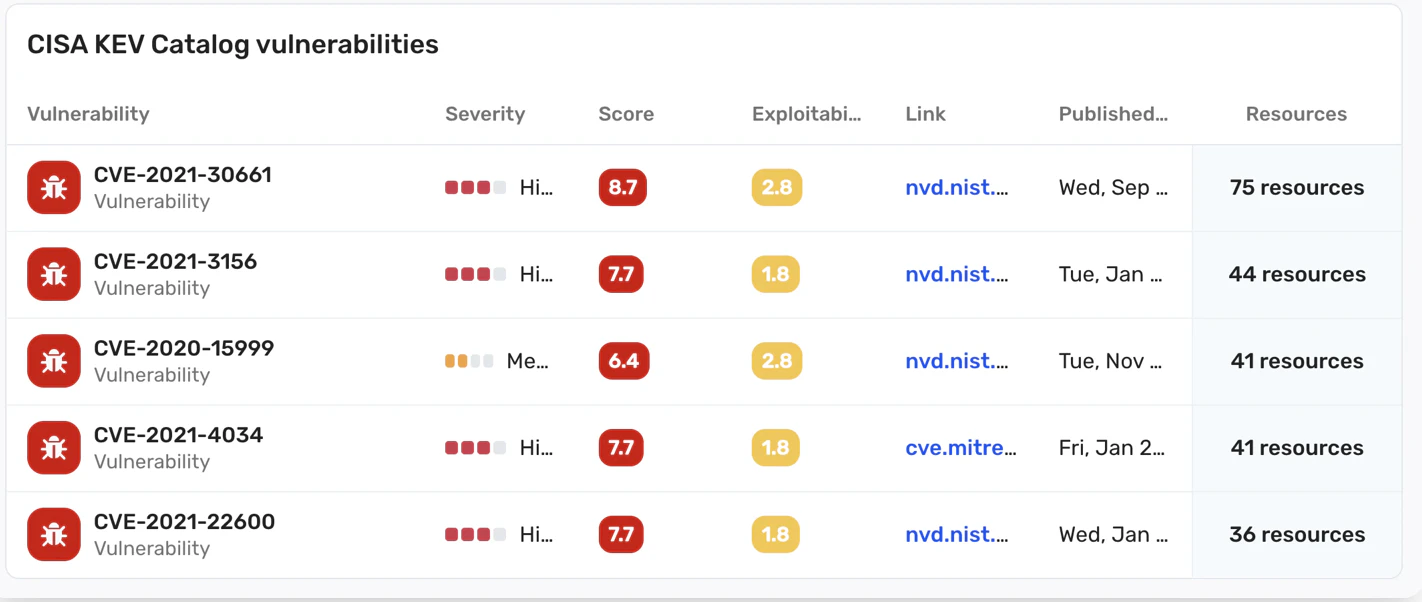
Cloud forensics: Robust cloud forensics capabilities allow you to conduct thorough investigations by collecting evidence, pinpointing the root cause of incidents, and gaining a comprehensive understanding of the incident's scope.
Attack path analysis: Careful examinations of where attacks came from and how they happened are crucial for devising effective containment and recovery strategies, ultimately minimizing the impact of security incidents.
Wiz Runtime Sensor: The Wiz Runtime Sensor provides real-time visibility into workload behavior across VMs, containers, and serverless functions. It correlates events across cloud logs, network traffic, and application behavior to detect complex attack patterns that single-source monitoring would miss.
Playbooks: Wiz offers a library of pre-built playbooks for common cloud incident response scenarios. These playbooks can be customized to automate actions such as isolating affected resources, patching vulnerabilities, and collecting evidence to ensure a swift and standardized response to security incidents.
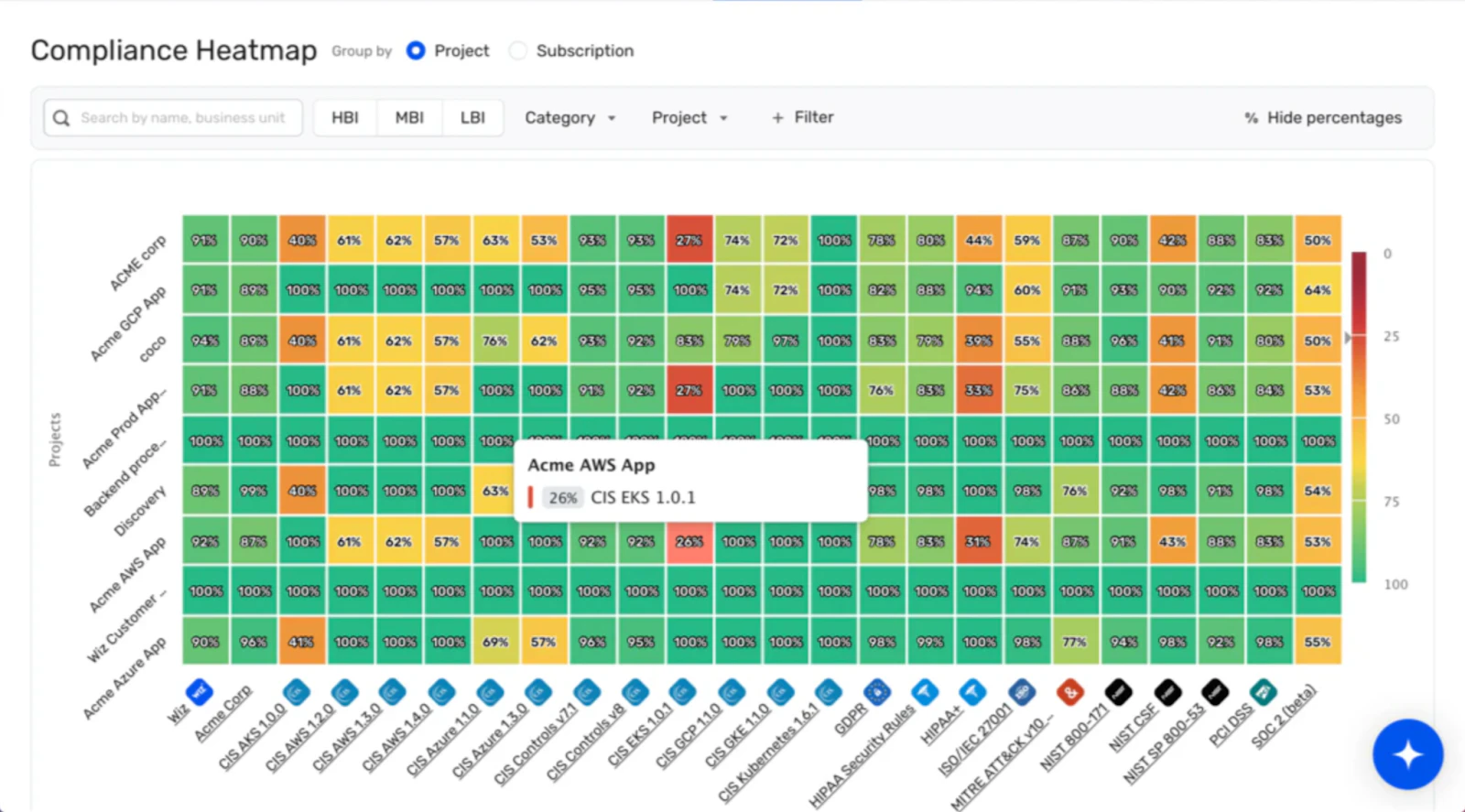
Cloud-native response: APIs and automation tools within the cloud environment facilitate faster and more efficient response actions that are tailored to the specific nuances of cloud infrastructure.
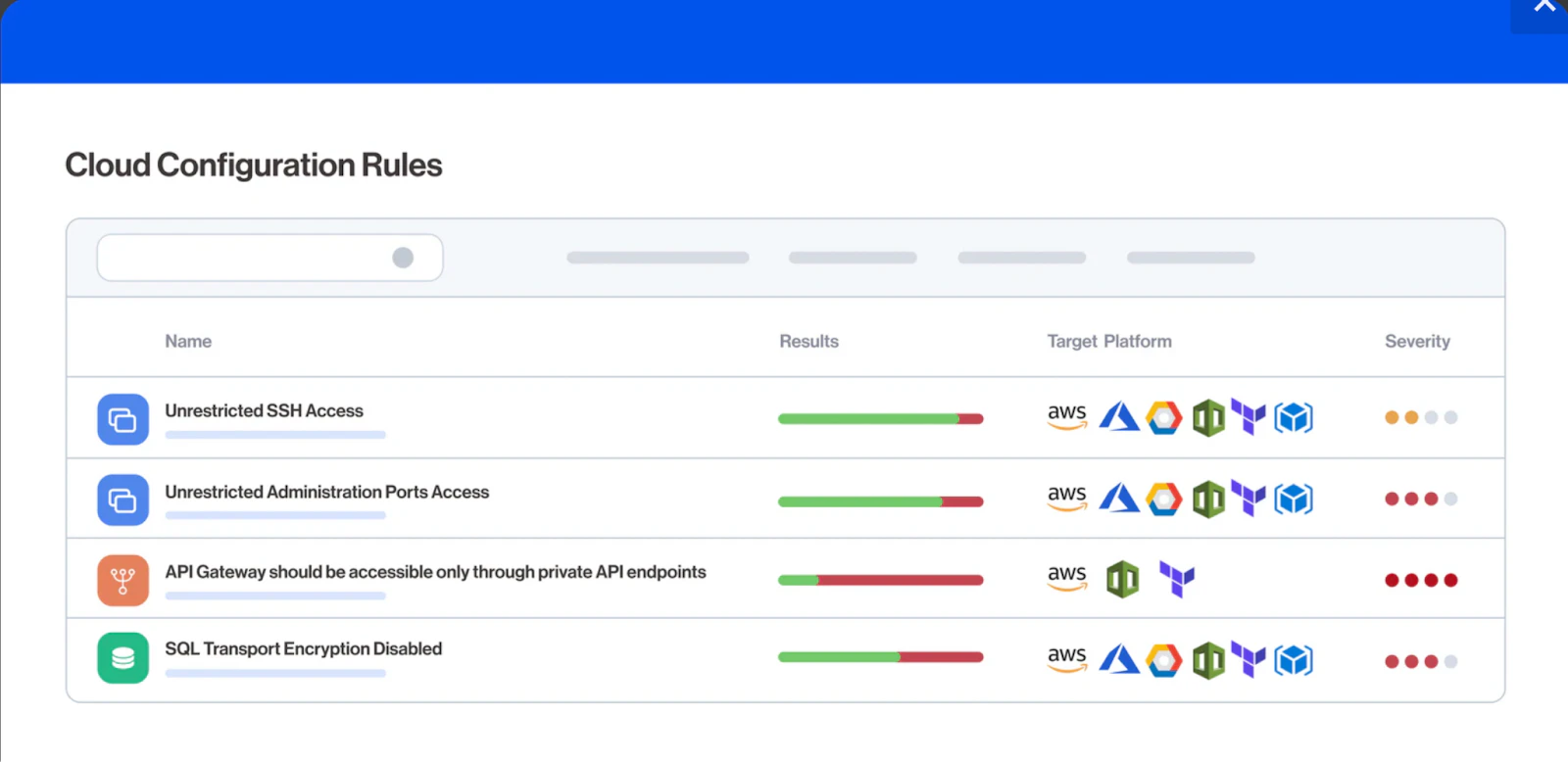
Cloud attacks move faster than manual investigation can keep up. CIRA closes that gap by automating evidence collection, correlating events across services, and enabling rapid containment. Wiz Defend brings these capabilities together with full cloud context in a single platform and with quite a few security tool integrations. See how it works with a scheduled demo today.
Ready to transform your cloud incident response?
See how Wiz unifies detection, investigation, and response across your entire cloud environment.
