

What is API pen testing? Security fundamentals explained
API penetration testing (also known as pen testing) simulates real attacks to find and fix vulnerabilities in the digital doorways (APIs) that power most internet traffic.
API pen testing is crucial for meeting regulations like GDPR, PCI DSS, and NYDFS—and for avoiding significant fines or negligence charges.
This post explores essential API pen testing methods (black, grey, and white box approaches, along with manual vs. automated testing), focusing specifically on cloud-native environments and emerging attack vectors.
API penetration testing is a security assessment method that simulates real-world attacks on an application programming interface, or API.
The goal of API penetration testing (usually shortened to “pen testing”) is to identify security vulnerabilities, misconfigurations, and other weaknesses. This lets developers and security teams address these problems, protecting sensitive data and preventing unauthorized access.
Advanced API Security Best Practices [Cheat Sheet]
Download the Wiz API Security Best Practices Cheat Sheet and fortify your API infrastructure with proven, advanced techniques tailored for secure, high-performance API management.

Why API penetration testing matters
APIs power today’s distributed apps and drive most digital modernization initiatives. They make sharing data and operations easy by opening digital backdoors into your data and operations. But that also creates a risk: APIs can expose sensitive information or core business logic to threat actors.
APIs are actually responsible for the vast majority of traffic on the internet today. And threats like weak authentication, misconfigurations, and forgotten APIs (sometimes known as “shadow” APIs) could leave these backdoors unlocked. API breaches can lead to service disruptions and costs including downtime, lost revenue, and fines.
The API attack surface explosion
APIs are now the leading attack vector in cloud-native environments. That’s because microservices, mobile devices, and third-party integrations have all added convenience and modularity to our apps—but they’ve also expanded the attack surface.
The stakes of a breach are high: massive data exposures, regulatory fines, and reputational damage. Organizations today are exposing hundreds or even thousands of API endpoints, and each integration point is a potential vulnerability.
Attack surfaces vs. attack vectors: What security teams need to know
This blog post will explain strategies for attack surface management (ASM) that integrate both attack surface reduction and attack vector defense into one continuous process, helping you meet the requirements of leading security frameworks like Gartner’s Continuous Threat Exposure Management (CTEM) framework.
En savoir plus

Regulatory compliance and due diligence
Many application security regulatory frameworks implicitly or explicitly demand strong API security as part of their overall security requirements.
GDPR Article 32 requires regular “testing, assessing, and evaluating the effectiveness of technical and organizational measures” to ensure secure processing of personal data.
PCI DSS 4.0 requires an “automated technical solution… that continually detects and prevents web-based attacks." As a critical part of web applications, API testing, including penetration testing, is essential.
NYDFS 500 requires either continuous monitoring or annual penetration testing of all information technology systems, including APIs.
To comply with these and other regulations, you must demonstrate that you’ve taken technical and organizational steps to protect sensitive data.
Regular API pen testing gives you concrete proof of security efforts, showing that the controls you have in place are working effectively. Failing to test API security (with penetration testing and by other means) could be used as evidence of negligence, leading to fines and other consequences. Plus, pen testing reports can help your compliance teams show due diligence during audits and incident investigations.
Business impact of API pen testing
API vulnerabilities can give attackers the “keys to the kingdom,” letting them access sensitive data and systems, bypass business logic, and manipulate core application functions. Losses stemming from API breaches can reach tens or hundreds of millions of dollars, either directly or through massive regulatory fines, legal fees, and penalties.
When PandaBuy, an online store mostly trading in counterfeit luxury goods, had its API hacked in March 2024, personal data of 1.3 million users was put up for sale on a hacking forum. Attackers actually made multiple demands for ransom—which may have contributed to the company shutting down later on in 2024.
PandaBuy isn’t an isolated example, and it’s a good illustration of why API security is so essential for anyone developing software today.


What it takes to keep APIs secure
There are a number of steps you need to take to secure your APIs:
Discover and inventory all APIs: Map API endpoints, parameters, and data to identify sensitive data exposure and maintain an up-to-date inventory. You can’t protect what you don’t know about!
Identify and protect high-risk APIs: Conduct risk assessments focusing on low-hanging fruit like the vulnerabilities listed in the OWASP API Security Top 10, such as broken authorization, broken authentication, and excessive data exposure.
Monitor API endpoints actively: Put systems in place to detect suspicious behavior and access patterns, like a sudden surge in traffic or unusual requests—these could indicate a DDoS or bot attack.
Pen testing is a highly effective component of a comprehensive API security strategy. It can help discover all active APIs, including shadow APIs, rigorously assess their unique risks, and prioritize remediation efforts.
What is API scanning?
API scanning is the automated process of analyzing APIs to detect security vulnerabilities, misconfigurations, and logic flaws.
En savoir plus

Essential pen testing concepts
When it comes to penetration testing, every test method falls into at least one of three categories: black box, gray box, or white box.
Black box vs. white box vs. grey box
In black box testing, the tester comes in unaware of the system's internal workings or code. This offers the best simulation of an outside attacker and helps organizations pinpoint easily discoverable vulnerabilities on publicly exposed APIs. But its scope is limited to actual runtime behavior.
In white box testing, the tester has full access to system architecture, source code, and configurations. This offers the most in-depth testing, but it provides a level of access that doesn’t reflect real-world vulnerabilities or security priorities.
Grey box testing, as the name suggests, is somewhere in the middle. The tester has some limited knowledge. For instance, they may be set up with existing user credentials or given some product documentation. This provides useful shortcuts, but grey box testing may not uncover issues that require deeper access.
These three approaches are often combined—for instance, by starting with black box discovery and proceeding to white box analysis.
SAST and DAST are two of the most common automated API security testing methodologies. Static application security testing (SAST) is a white box approach (since it looks for risks in the source code without execution), while dynamic application security testing (DAST) is a black box approach that works during runtime with no access to the source code.
When it comes to API pen testing, the grey box approach offers a good balance of realism and economy. With limited information like standard credentials and potentially some API documentation, the tester doesn’t have to waste time on initial reconnaissance. Testers can get started quickly, simulating the most common API security risks—such as broken authentication, broken authorization, and business logic flaws.

Manual testing vs. automated scanning
Manual API pen testing uses human ingenuity and experience to find complex business logic flaws, unique contextual vulnerabilities, and sophisticated weaknesses. The drawback is that it’s resource-intensive and can’t scale to continuously test the massive number of APIs in modern environments—especially cloud environments.
Automated API security scanning tools like DAST are built for the speed and scale of the cloud. They do a great job of hunting down common vulnerabilities and provide rapid feedback across vast numbers of APIs.
Combining approaches offers the best balance of coverage and efficiency. Manual testing works best for high-risk, nuanced areas, while automated tools can handle broad, repetitive checks, giving you continuous security without sacrificing depth.
Continuous vs. point-in-time testing
Many organizations have hundreds of thousands of APIs, with developers pushing changes almost daily. Manual pen testing is a point-in-time approach, meaning it delivers only a very limited snapshot of any potential vulnerabilities. It can’t scale to cover your full API attack surface, and it can’t keep up with the rapid pace of development.
Rather than relying on manual, point-in-time testing, it’s best to provide continuous, automated testing for APIs across multiple stages of the API lifecycle. This includes testing externally exposed APIs at runtime via the external attack surface to identify exploitable vulnerabilities in production.
Continuous testing helps avoid lengthy manual testing cycles, but to truly reduce friction, it must shift left, directly into the development lifecycle. Integrating automated API security checks (like SAST and DAST) directly into CI/CD pipelines, helps teams catch vulnerabilities earlier and resolve problems more quickly.
By automating continuous assessment, you can reserve manual API pen testing for higher-risk APIs or before major releases for a deep, thorough assessment—without taking a toll on developer velocity.
Watch 12-minute demo
Get a live demo of Wiz and discover how to automatically identify, secure, and prioritize risks across APIs in your cloud environment.
Watch now
Key methodologies of pen testing
Discovery and reconnaissance
During these early steps, testers enumerate API endpoints through documentation analysis, traffic inspection, and automated discovery tools. Your goal is to assess basic authentication, data exposure, and threat models that will help you identify and prioritize potential risks.
You must fully understand your API architecture, including REST, GraphQL, and gRPC and identify API versions, supported methods, authentication mechanisms, and data formats. Finally, testers should be on the lookout for "shadow" and "zombie" APIs, which can present severe, hidden risks because they often lack proper documentation and security controls.
Authentication and authorization testing
A number of API vulnerabilities involve poor authentication and authorization practices. To target these issues with pen testing, testers adapt their techniques to match common authentication types: OAuth, JWT, API keys, and multi-factor authentication.
Common vulnerabilities in this area include:
Function-level authorization bypass and privilege escalation
Session management vulnerabilities like token lifecycle, refresh mechanisms, and logout functionality
Testers looking for authentication and authorization vulnerabilities may attempt to access resources belonging to other users, look for ways to perform unauthorized actions, try to gain higher access, or aim to compromise session integrity.
Input validation and injection testing
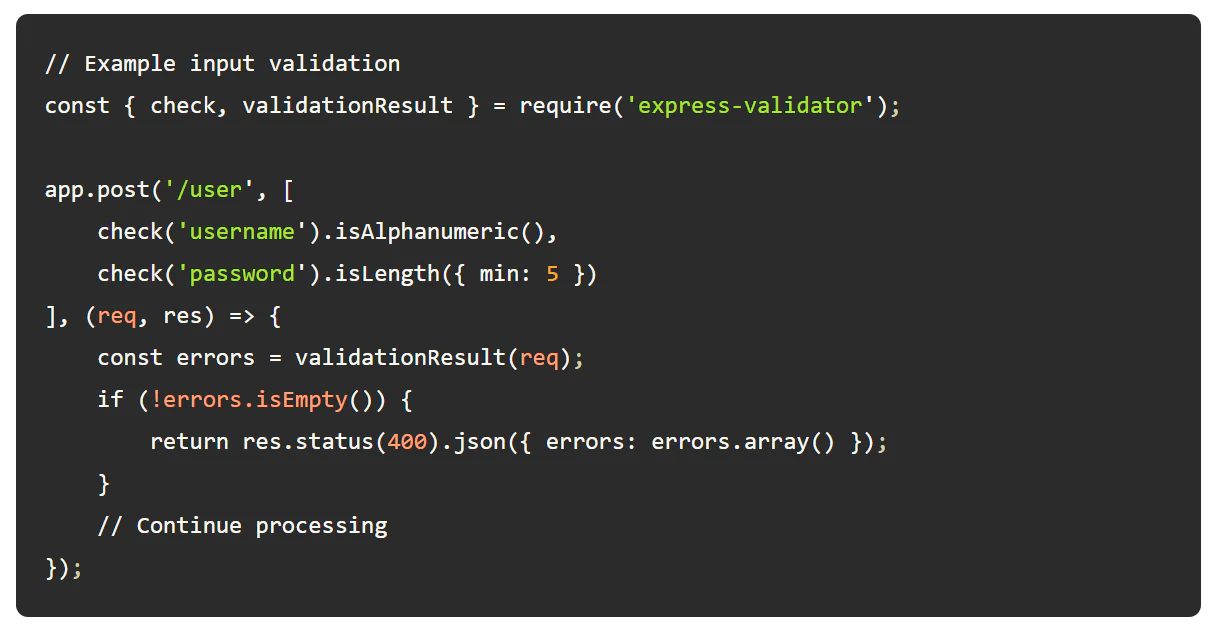
Input validation and injection testing specifically targets API weaknesses.
“Fuzzing” involves sending varied, unexpected data to the API to discover input validation bypasses and unexpected behavior. This helps identify injection vulnerabilities like SQL, NoSQL, command, and XML, where malicious code alters commands.
Pen testers can also manipulate request parameters to identify parameter pollution. This attack strategy bypasses app logic with duplicate parameters and request smuggling, where attackers manipulate HTTP requests to gain access. Both can lead to severe data breaches, logic bypasses, or even remote code execution.
Business logic and rate limiting assessment
Automated scanners might miss critical business logic flaws; that makes manual pen testing a crucial complement that can identify and test ways attackers can exploit your API’s functionality.
Manual testers look for specific flaws such as rate limiting bypass by varying request headers or IP addresses. They can also test security against DDoS attacks by rapidly sending malformed or overwhelming requests.
Other important techniques? Pen testers investigate multi-step processes and workflow integrity by manipulating the order or parameters of individual steps, ensuring each step functions as intended and can’t be abused. Additionally, they’ll test for excessive data exposure and sensitive information leakage, examining all returned data fields to be sure that APIs return only the necessary information.
Top Pen Testing Certifications for 2026
Pen testing certifications fall into distinct categories based on focus area, exam format, and target career level. Understanding these distinctions helps professionals invest in credentials that match their specific career goals rather than collecting overlapping certifications that validate the same skills.
En savoir plus

Emerging API attack vectors
Unfortunately, as API implementations evolve, new attack techniques emerge to target them, such as:
GraphQL over-fetching, where clients extract more data than intended
gRPC reflection abuse, which allows schema discovery and unauthorized method calls
WebSocket manipulation, which exploits persistent connections for unauthorized actions
AI-generated attacks, which can create sophisticated attack payloads and rapidly scan for vulnerabilities, letting attackers strike faster and on a greater scale
The results of API pen testing can guide developers as they harden defenses against all these attack vectors. Pen testers look for weaknesses related to modern authentication mechanisms like OAuth 2.1 and FIDO2. They also carefully test API mesh and zero-trust architectures, because these distributed environments introduce new attack surfaces and complex trust decisions.
Penetration Testing vs Vulnerability Scanning: What's the Difference?
Penetration Testing vs Vulnerability Scanning: Penetration testing simulates attacks to exploit flaws while vulnerability scanning identifies known risks.
En savoir plusHow Wiz enhances API security from code to cloud
Wiz is a modern CNAPP solution built for the complexities of cloud-native apps, including APIs. Wiz combines cloud and API context into a single platform, delivering complete visibility into APIs, API-related attack paths, and the security findings that carry real operational impact. Wiz API Security Posture Management (API SPM) includes:
API discovery: Automatically and continuously discover APIs agentlessly via cloud connectors, from runtime traffic via the Wiz sensor, via external attack surface scanning, and API specs.
API risk and exposure assessment: Validate API exposure via the Wiz dynamic scanner and test APIs for vulnerabilities and misconfigurations accessible from the external attack surface, including the OWASP API Top 10.
Red Agent validation: Extend API SPM with attacker-style testing that reasons through API behavior, helping teams uncover logic flaws and validate exploitable weaknesses that signature-based scans often miss.
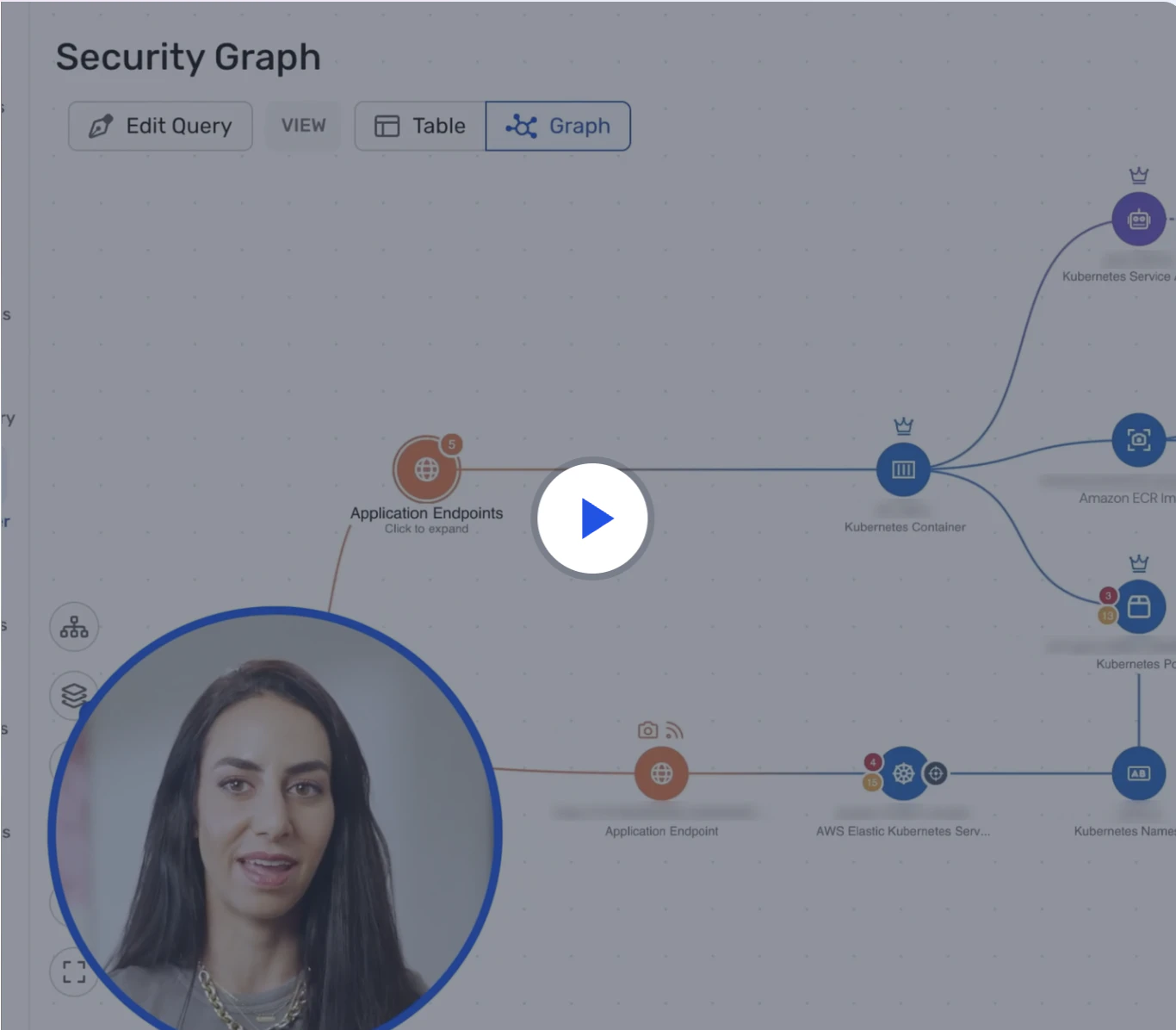
API toxic combinations: Leverage the security graph and Wiz’s unified cloud and API context to understand relationships between APIs and other resources in your cloud, so you can identify full attack paths and toxic combinations of risk.
Pen test findings: Centralize API pen test, bug bounty, and external assessment results in Wiz, map them to cloud resources and ownership, and use the security graph to understand blast radius and remediation priority.
This approach gives you full visibility, continuous exposure validation, AI-assisted testing for complex API behavior, and a unified view of API and pen test findings so you can focus remediation on the risks that are actually reachable.
Ready to see how a complete, code-to-cloud solution can secure your APIs and reduce your exposure? Explore Wiz to learn how unified visibility and risk-based prioritization can transform your cloud security posture. Book a demo to find out how Wiz stops API vulnerabilities in their tracks.
Secure APIs from code to cloud
Learn how Wiz gives security teams instant visibility into API exposure, misconfigurations, and attack paths.
