

Petit rappel : qu'est-ce qu'un outil SOC cloud ?
Les outils du cloud security operations center (SOC) aident les équipes de sécurité à surveiller, investiguer et répondre aux menaces et aux erreurs de configuration dans les environnements cloud. Ainsi, ils collectent des signaux provenant des services cloud, des workloads, des identités et des logs, puis analysent et priorisent les résultats pour permettre des actions adaptées.
À mesure que l'adoption du cloud a progressé, la complexité de sa sécurisation a augmenté. En effet, les architectures distribuées, les changements de configuration fréquents et les modèles de responsabilité partagée introduisent des défis différents de ceux des environnements on-premise traditionnels. Ainsi, des erreurs de configuration, des accès trop permissifs et des services exposés peuvent apparaître rapidement, souvent sans visibilité claire entre les équipes.
Les équipes SOC jouent donc un rôle central pour relever ces défis. Elles surveillent les environnements cloud pour détecter des activités suspectes, investiguent des incidents de sécurité potentiels et soutiennent les efforts de remédiation. En outre, dans de nombreuses organisations, elles suivent également la posture de sécurité et contribuent à la conformité liée à l'identité, aux accès aux données et à la configuration de l'infrastructure.
Cependant, construire et opérer un SOC exige souvent des investissements importants en outillage et en expertise. Heureusement, les outils SOC open source offrent une alternative ou un complément intéressant. Ils apportent transparence, flexibilité et maîtrise des coûts, et peuvent être personnalisés pour s'adapter à des workflows ou à des environnements spécifiques. Même s'ils ne couvrent pas tous les cas d'usage immédiatement, de nombreuses organisations les utilisent aux côtés de plateformes de sécurité commerciales ou cloud-native pour étendre la couverture et intégrer du contexte additionnel.
Avant de présenter des outils SOC open source couramment utilisés, il est donc utile de comprendre les principaux défis que ces outils cherchent à adresser dans les opérations de sécurité cloud.
Détectez les menaces actives dans le cloud
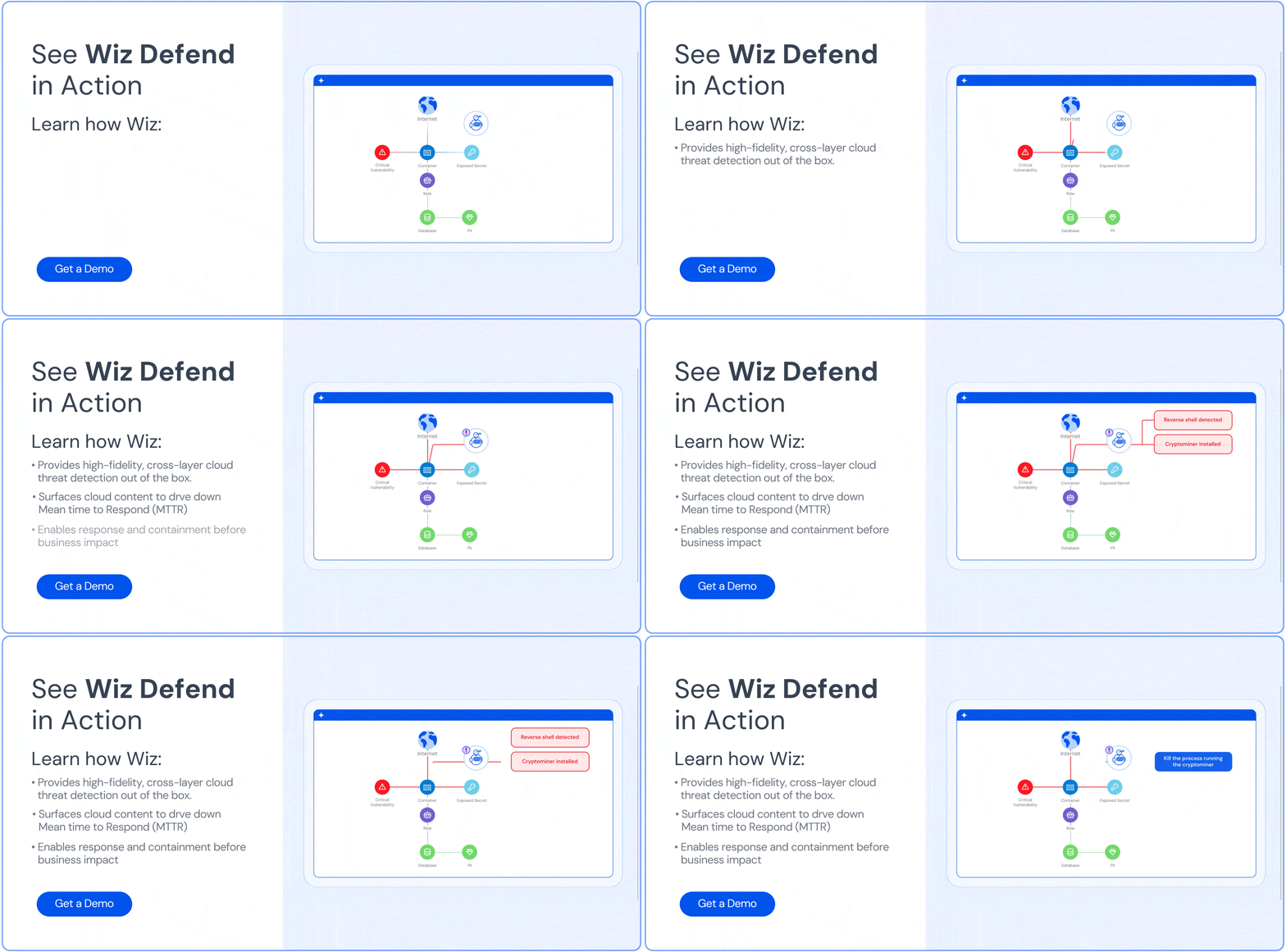
Découvrez comment Wiz Defend détecte les menaces actives en utilisant les signaux runtime et le contexte cloud, pour vous permettre de réagir plus vite et avec précision.

Comprendre les exigences d'un SOC dans le cloud
Les défis spécifiques des SOC cloud
Scalabilité : les environnements cloud montent et descendent en charge très rapidement, exigeant des outils SOC capables de s'adapter en temps réel. Le défi de la scalabilité ne se limite donc pas au volume de ressources à surveiller : sans les bons outils, il se traduit aussi par davantage d'angles morts exploitables par des attaquants.
Ressources éphémères : conçues pour des workloads statiques, les approches SOC traditionnelles aident mal les équipes à répondre à des questions comme : quels workloads éphémères (par exemple, des conteneurs et des fonctions serverless) tournent actuellement et sont-ils correctement configurés ?
Données décentralisées : les logs et événements dans le cloud sont dispersés entre de multiples services et régions, ce qui complique la corrélation et l'analyse des menaces. Par exemple, il peut être difficile pour un SOC d'établir le lien entre une activité suspecte sur un conteneur depuis arrêté et un mouvement latéral plus récent vers des données sensibles.
Vecteurs d'attaque cloud-native : des risques spécifiques au cloud tels que les API non sécurisées, les VMs et conteneurs mal configurés ou encore les mouvements latéraux au sein des workloads cloud nécessitent des outils spécialisés pour leur détection.


Capacités indispensables d'un outil SOC
Quelles fonctions essentielles les outils SOC open source doivent-ils offrir pour résoudre les problèmes ci-dessus ?
Surveillance continue : les outils SOC doivent surveiller en continu les workloads cloud, en s'ajustant naturellement au caractère éphémère et hautement scalable du cloud. Ainsi, ils doivent détecter et corréler les anomalies, suivre les flux de trafic, alerter instantanément sur des configurations à risque et améliorer la posture de sécurité globale.
Collecte et analyse des logs : élément clé de votre arsenal SOC, la collecte et l'analyse cloud-native des logs offrent des éclairages décisifs pour la détection d'anomalies et l'analyse des causes racines. En effet, ils plongent au cœur de logs décentralisés pour aider les équipes à relier les points entre différents services cloud et à découvrir des incidents potentiels.
Détection des menaces : les outils de détection doivent s'appuyer sur des bases de vulnérabilités à jour et sur des flux de threat intelligence en temps réel. Grâce à ces éléments, l'identification des indicateurs de compromission (IoC) et des techniques d'attaque émergentes devient beaucoup plus rapide.
Réponse aux incidents : les outils de réponse orientés cloud doivent proposer des stratégies de réponse préconfigurées et personnalisables. En effet, véritables premiers intervenants, ils stoppent rapidement des activités suspectes, bloquent des IP malveillantes et isolent des ressources vulnérables.
Outils open source clés pour les SOC cloud
Pour soutenir les opérations sécurité au quotidien, les équipes SOC combinent généralement des outils couvrant la surveillance, la détection, l'investigation, l'évaluation des vulnérabilités et la réponse aux incidents. Ainsi, les outils open source jouent un rôle important en apportant transparence, flexibilité et extensibilité sur les différentes étapes du workflow SOC.
Ci-dessous, nous regroupons des outils SOC open source couramment utilisés par fonction. Certains couvrent plusieurs catégories et s'intègrent souvent dans une pile plus large et unifiée.
Outils de monitoring et de collecte de logs
Ces outils aident les équipes SOC à agréger la télémétrie des services cloud, des workloads et de l'infrastructure. Ils s'utilisent souvent en complément – ou comme alternatives légères – aux plateformes SIEM traditionnelles.
KubeArmor
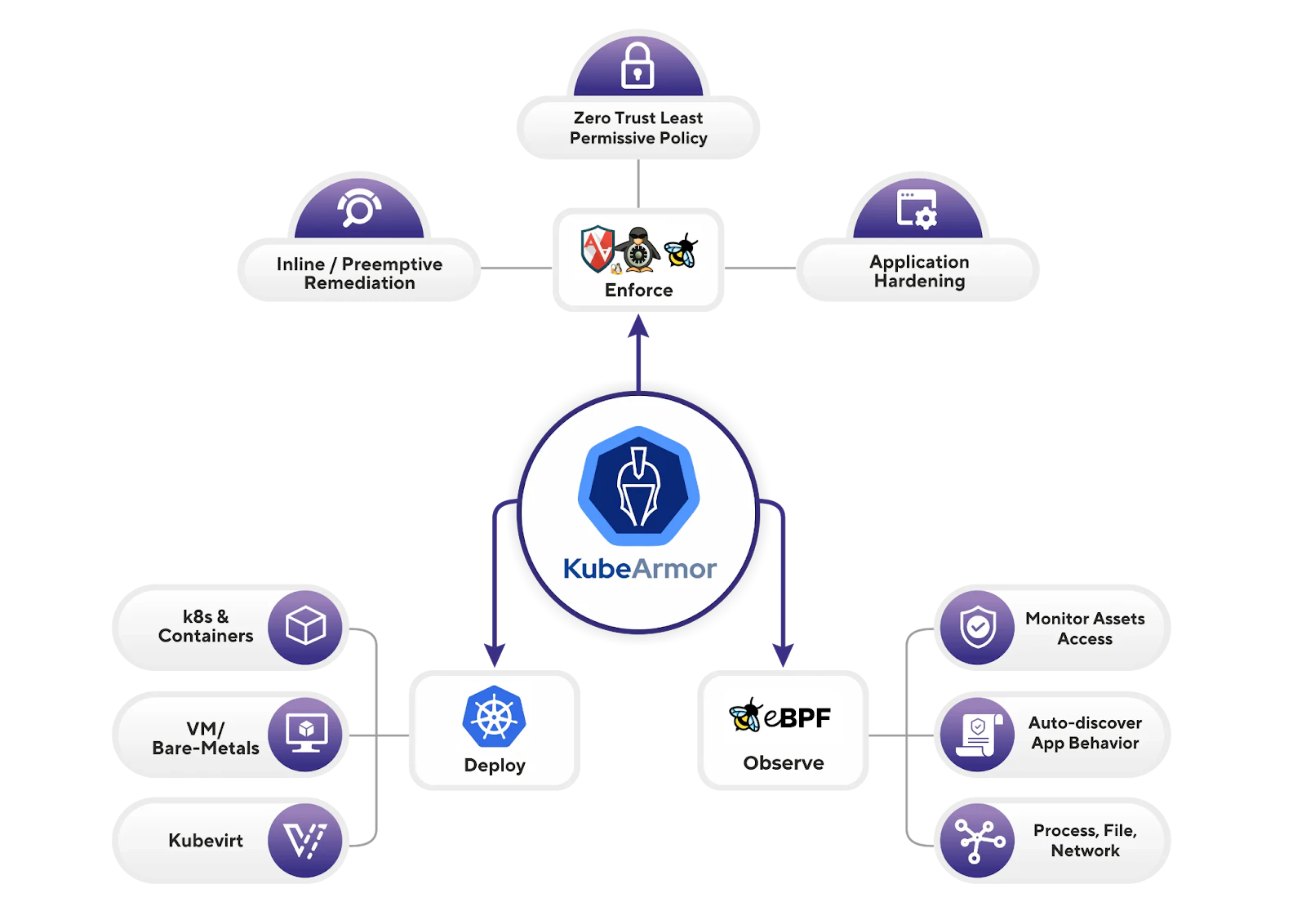
KubeArmor se concentre sur la visibilité runtime Kubernetes et l'application de politiques, aidant les équipes à observer et à contraindre le comportement des conteneurs au runtime.
Fonctionnalités clés
monitoring basé sur eBPF et sur les Linux Security Modules (LSM) pour le comportement des pods et l'activité système ;
politiques de sécurité natives Kubernetes pour le durcissement des workloads et des contrôles au runtime ;
journalisation des événements et visibilité sur les processus, fichiers et activités réseau au sein des clusters.
KubeArmor est souvent adopté dans des environnements centrés sur les conteneurs où l'on souhaite une observabilité runtime et une application de politiques étroitement intégrées à Kubernetes.
Security Onion
Security Onion est une plateforme open source de SIEM et de détection d'intrusion conçue pour la surveillance et l'analyse réseau.
Fonctionnalités clés
détection basée sur signatures, capture de paquets et analyse de trafic réseau ;
prise en charge de honeypots et de workflows de détection d'intrusion ;
architecture multilocataire pour faciliter la collaboration entre équipes SOC et IT.
Security Onion s'emploie souvent dans des environnements où la visibilité réseau et l'analyse au niveau paquet sont prioritaires, en plateforme autonome ou aux côtés d'autres outils.
Graylog Open

Graylog Open est l'édition open source, autogérée, de la plateforme Graylog de gestion et d'analyse des logs.
Fonctionnalités clés
ingestion de logs à haut débit pour de grands environnements cloud et hybrides ;
agrégation centralisée des logs des serveurs, des conteneurs, des workloads serverless et des équipements réseau ;
requêtes et parsing flexibles via un moteur de recherche basé sur Lucene.
Graylog Open sert fréquemment de couche fondation pour l'agrégation des logs dans l'architecture d'un SOC, avec des capacités de détection ou d'enrichissement ajoutées par-dessus.
Solutions de détection des menaces et de threat intelligence
Les outils de détection des menaces identifient et aident à traiter les menaces ; les outils de threat intelligence fournissent aux analystes SOC des TTP et des IoC courants pour accélérer le threat hunting.
Wazuh
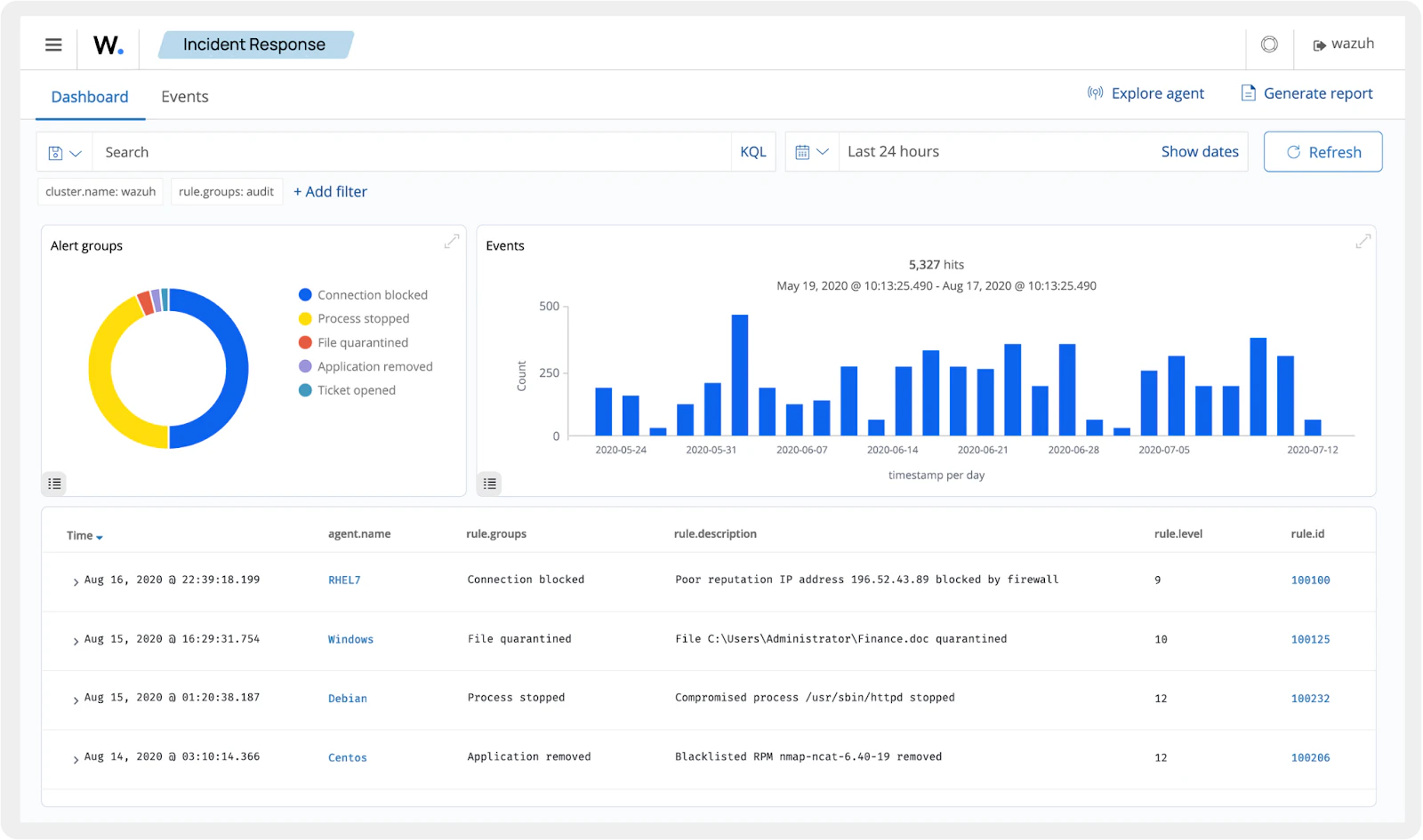
Wazuh combine analyse de logs, monitoring de sécurité et détection de vulnérabilités au sein d'une plateforme open source unique.
Fonctionnalités clés
collecte et analyse de logs sur les endpoints, les workloads cloud, les API et les réseaux ;
monitoring basé sur agent pour les endpoints et les serveurs ;
prise en charge de la détection des menaces, des contrôles de conformité et de l'évaluation des configurations ;
cartographie des activités et des résultats vers des référentiels tels que MITRE ATT&CK.
Wazuh est souvent utilisé comme plateforme polyvalente de monitoring de sécurité au sein des piles SOC open source.
Yeti
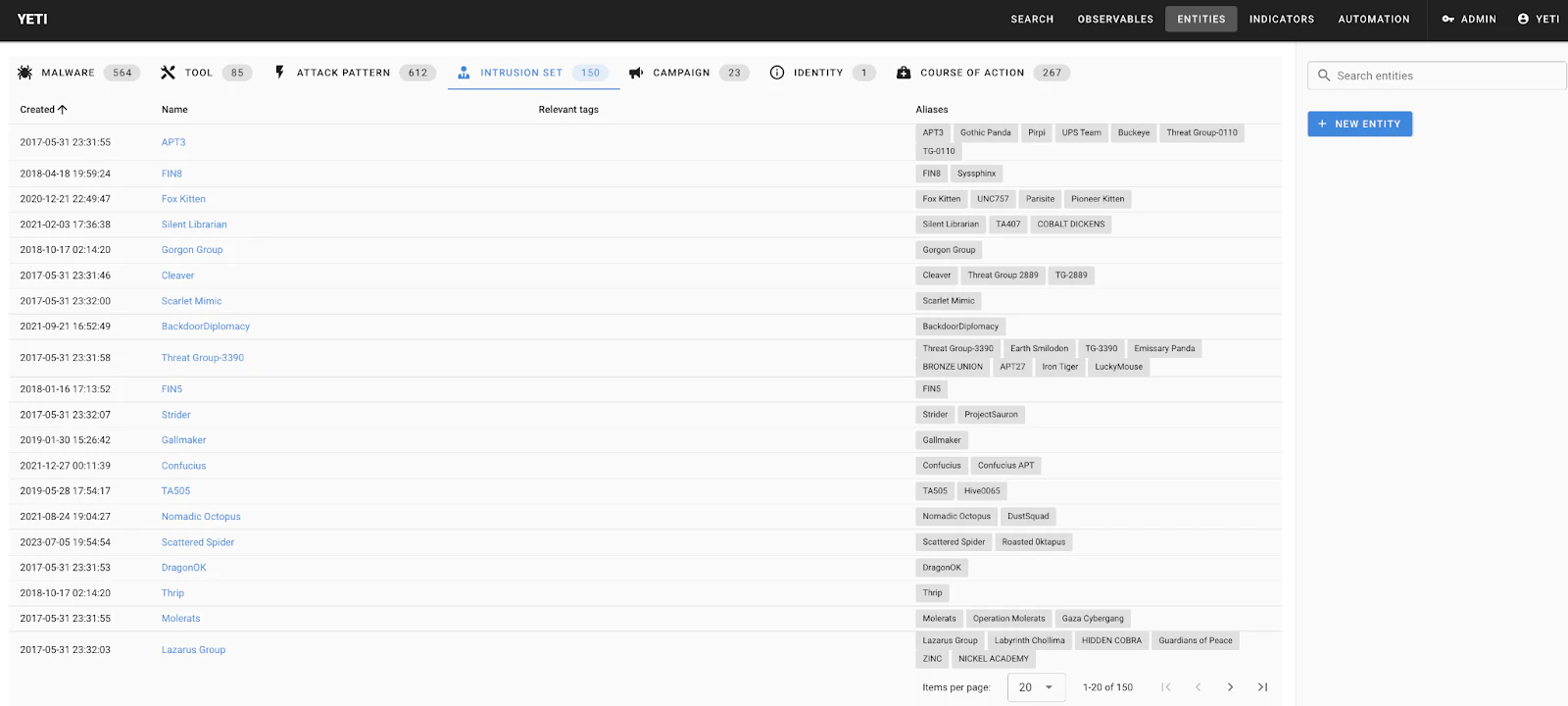
Yeti est un outil de gestion de threat intelligence conçu pour centraliser et enrichir les données de menace.
Fonctionnalités clés
stockage et interrogation des IoC, des TTP et de la threat intelligence via des API REST ;
enrichissement des données de menace avec du contexte comme la réputation IP et des informations de domaine ;
liaison des indicateurs aux tactiques et aux classifications de risque ;
export de threat intelligence dans des formats adaptés aux SIEM et aux plateformes de détection.
Yeti s'emploie généralement pour soutenir le threat hunting et les investigations pilotées par la threat intelligence.
Scan de vulnérabilités et gestion des actifs
Cette catégorie regroupe des outils qui suivent et scannent les actifs cloud pour détecter des vulnérabilités et des malwares.
Aircrack-ng
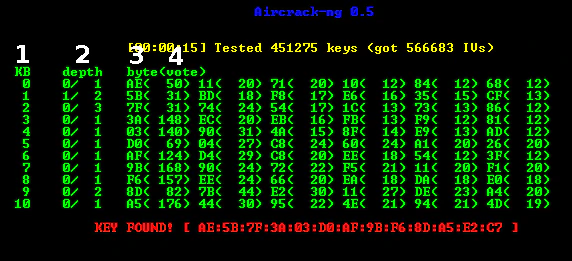
Aircrack-ng est une suite d'outils en ligne de commande dédiée à l'évaluation des réseaux sans fil.
Fonctionnalités clés
monitoring passif et actif du trafic 802.11 ;
capture et analyse de paquets ;
prise en charge des tests de configuration et de chiffrement des réseaux Wi-Fi.
Aircrack-ng s'utilise principalement pour les tests de sécurité Wi-Fi, plutôt que pour la gestion générale des vulnérabilités cloud.
Codename SCNR
Codename SCNR est un outil open source de DAST (Dynamic Application Security Testing) conçu pour l'évaluation des applications web.
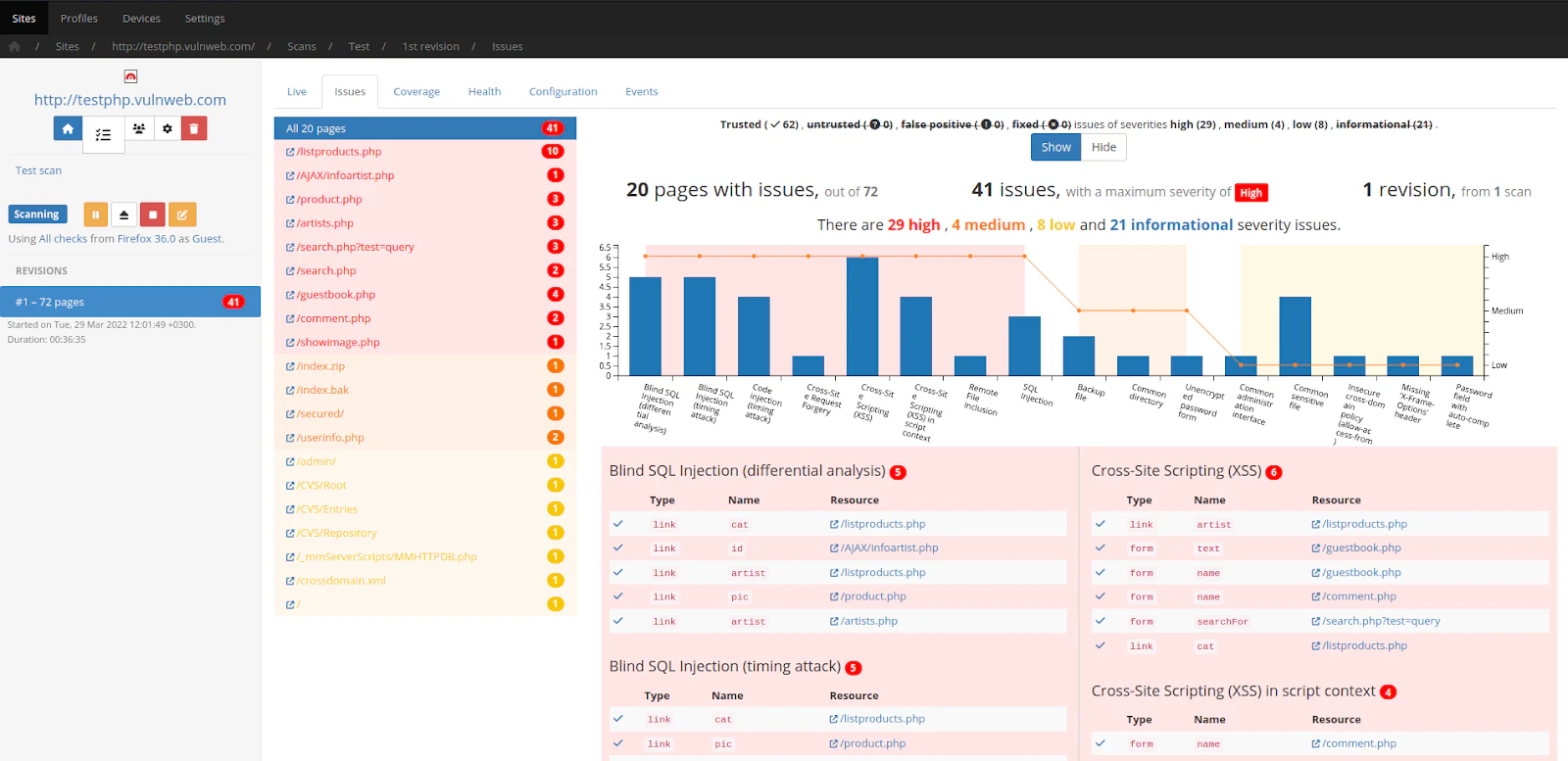
Fonctionnalités clés
scan automatisé des applications web et des API ;
identification de vulnérabilités web courantes telles que les injections et les problèmes de validation d'entrée ;
API REST et CLI pour l'intégration dans les workflows de test.
Codename SCNR est généralement utilisé pendant les phases de test applicatif, plutôt que pour une surveillance continue au runtime dans le cloud.
Outils de réponse aux incidents et de forensic
Ces outils fournissent des données sur les incidents de sécurité pour permettre aux équipes SOC d'examiner en profondeur les systèmes compromis, de reconstituer les chemins d'attaque et d'identifier les causes racines.
Velociraptor
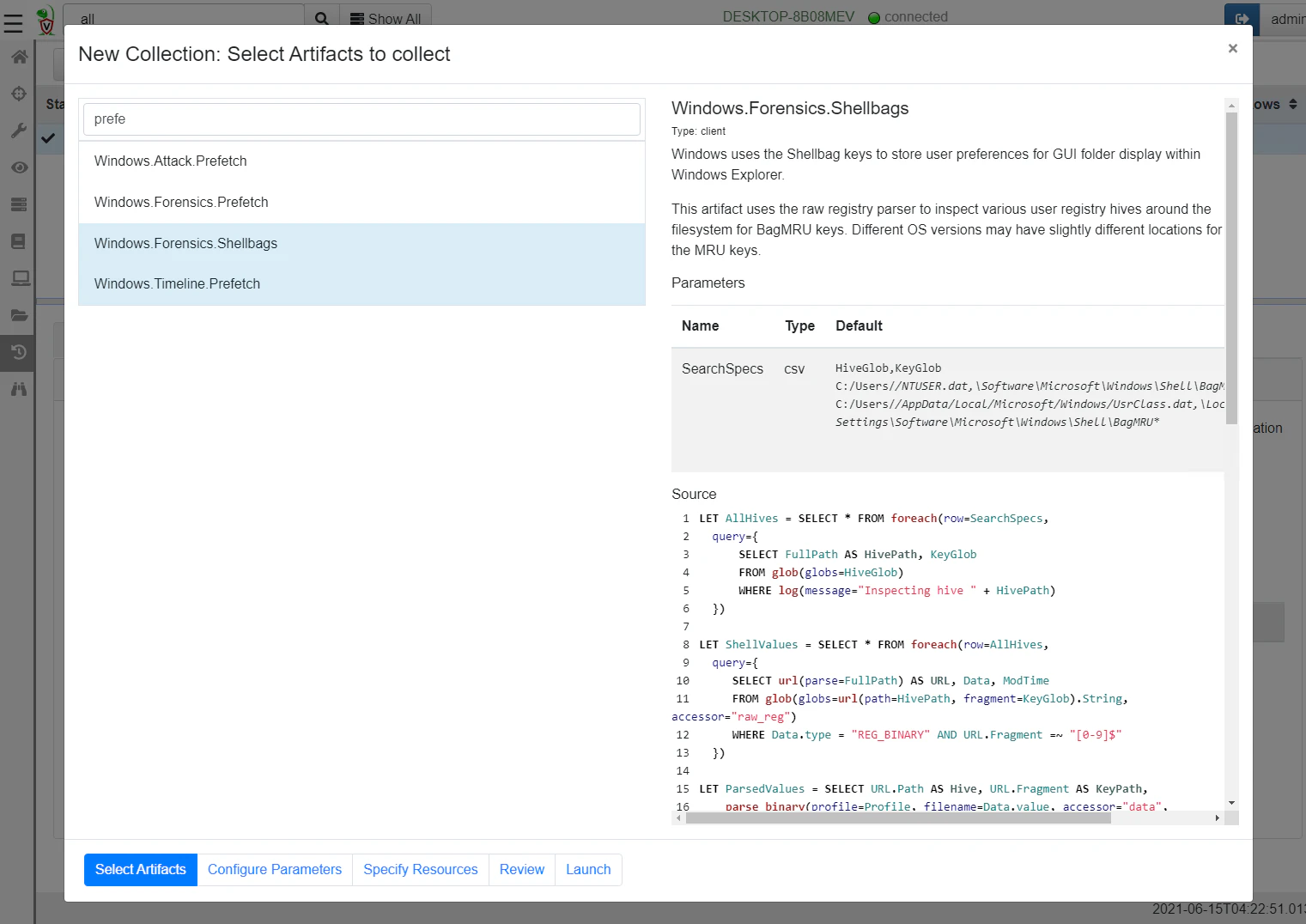
Velociraptor est une plateforme de forensic et de réponse aux incidents axée sur l'investigation des endpoints.
Fonctionnalités clés
collecte à distance de données forensic sur de multiples endpoints ;
threat hunting avec le Velociraptor Query Language (VQL) ;
prise en charge du confinement et de l'analyse post-incident.
Velociraptor est souvent utilisé par les équipes IR pour des investigations ciblées et la collecte massive de données d'endpoints.
osquery
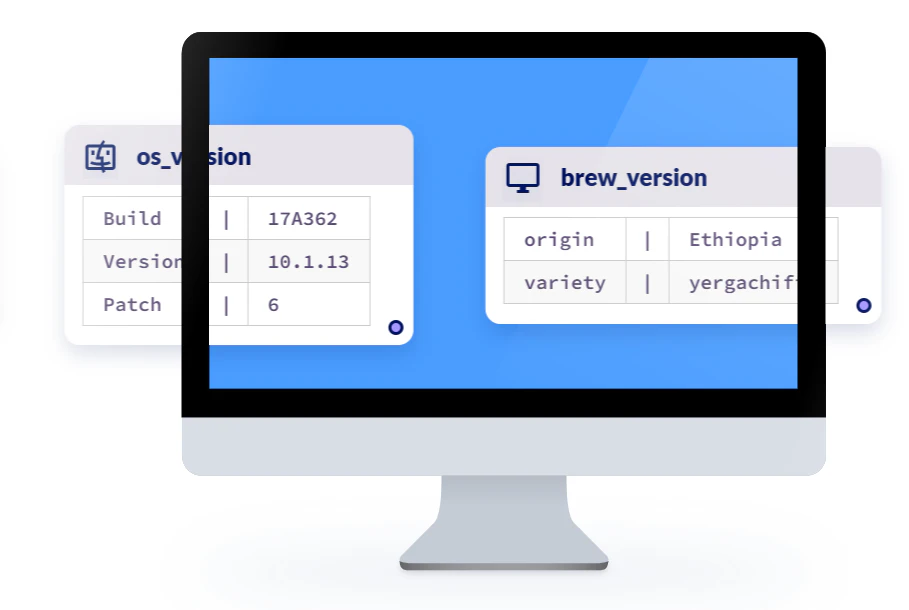
osquery expose les données du système d'exploitation sous forme de tables relationnelles interrogeables en SQL.
Fonctionnalités clés
requêtes planifiées et à la demande sur Windows, macOS et Linux ;
visibilité sur les processus, les utilisateurs, les fichiers, les configurations et l'état système ;
packs de requêtes préconfigurés pour le monitoring de sécurité et les contrôles de conformité.
osquery est souvent utilisé comme source de télémétrie légère côté endpoint au sein de workflows SOC plus larges.
GRR Rapid Response

GRR Rapid Response (GRR) est un framework open source de forensic à distance et de réponse aux incidents.
Fonctionnalités clés
architecture client-serveur pour l'investigation à grande échelle des endpoints ;
collecte à distance d'artefacts et d'indicateurs de compromission ;
prise en charge de workflows de réponse reproductibles.
GRR est généralement employé par des équipes IR expérimentées pour des investigations forensic approfondies dans des environnements distribués.
Résumé rapide
Les outils SOC open source jouent un rôle majeur dans les opérations de sécurité modernes. Ils offrent aux équipes de sécurité transparence, flexibilité et contrôle sur des fonctions essentielles comme la collecte de logs, le monitoring, la détection des menaces et la réponse aux incidents. Ainsi, des outils comme Wazuh, Security Onion, Velociraptor et osquery sont largement adoptés, car ils s'adaptent à différents environnements, s'étendent via des intégrations et se règlent finement selon le mode opératoire de chaque équipe SOC.
En parallèle, les environnements cloud-native introduisent des patterns comme les workloads éphémères, les relations d'identité complexes et les architectures hautement distribuées qui bénéficient d'un contexte et d'une corrélation supplémentaires. Dans ces environnements, de nombreuses équipes enrichissent donc les signaux générés par les outils open source avec des insights « cloud-aware » qui couvrent les identités, les configurations, l'exposition et le comportement au runtime.
D'où la popularité croissante d'une approche « mieux ensemble ». En effet, les outils SOC open source fournissent les briques de base : collecte, détection, investigation et réponse. Les plateformes de sécurité cloud-native complètent ces outils en ajoutant un enrichissement contextuel, une corrélation cross-layer et de la priorisation, aidant ainsi les équipes à interpréter plus vite les signaux et à concentrer leurs efforts au bon endroit.
En combinant des outils SOC open source avec des capacités cloud-native de détection et de réponse, les organisations peuvent donc bâtir des opérations de sécurité à la fois adaptables et évolutives. Ainsi, il ne s'agit pas de remplacer l'open source, mais de l'étendre, en préservant la flexibilité appréciée des équipes SOC tout en ajoutant clarté et contexte à mesure que les environnements cloud gagnent en complexité.
Présentation de Wiz Defend
Wiz Defend est conçu pour fonctionner aux côtés des outils SOC open source, en enrichissant les signaux qu'ils génèrent avec un contexte cloud-native et une corrélation en temps réel. Plutôt que de remplacer vos workflows existants, Wiz Defend vous aide à interpréter ce que vous voyez déjà, plus vite, avec davantage de confiance, et à l'échelle d'environnements cloud de plus en plus complexes.
Voici comment Wiz Defend complète les outils SOC open source et renforce les opérations au quotidien :
Visibilité cloud agentless
Wiz Defend offre une visibilité agentless étendue sur les environnements cloud : de l'infrastructure et des identités jusqu'aux workloads et à l'activité au runtime. Cela permet donc aux équipes SOC de comprendre rapidement le contexte cloud autour des alertes générées par des SIEM, des EDR et d'autres outils OSS, sans exiger d'agents supplémentaires ni perturber les déploiements existants.Investigation contextualisée et recommandations de remédiation
En corrélant des résultats issus de la configuration, de l'identité, de l'exposition et des signaux au runtime, Wiz Defend aide les équipes à passer plus vite de l'alerte à la compréhension. En outre, des recommandations de remédiation intégrées accélèrent la résolution en rattachant les problèmes à leur source – qu'il s'agisse d'une erreur de configuration, d'une identité sur-permissive ou d'un workload vulnérable – réduisant ainsi le temps d'investigation manuelle.Le Wiz Security Graph
Au cœur de Wiz Defend se trouve le Wiz Security Graph, qui relie actifs, identités, permissions, vulnérabilités et activité de menace dans une vue contextuelle unifiée. Ainsi, les équipes SOC peuvent visualiser les chemins d'attaque et le rayon d'impact, prioriser les investigations et soutenir une réponse aux incidents plus rapide et mieux informée, en complément de la télémétrie SOC existante.Priorisation des risques avec contexte cloud
Au lieu de traiter toutes les alertes de manière égale, Wiz Defend hiérarchise selon l'impact réel en tenant compte de l'exposition, de la criticité des actifs, des privilèges d'identité et de l'exploitabilité. Les analystes SOC se concentrent ainsi sur les sujets les plus importants, tout en s'appuyant sur leurs outils open source pour la détection et la télémétrie.Vision conformité et alignement avec les politiques
Wiz Defend évalue en continu les environnements cloud par rapport aux référentiels réglementaires et de sécurité courants, offrant ainsi aux équipes SOC une visibilité sur la posture de conformité en parallèle du risque sécurité. Cela complète donc les outils OSS en reliant les résultats opérationnels aux exigences de politiques et de gouvernance, sans surcroît manuel.
Les outils SOC open source restent une base puissante pour les opérations de sécurité. En intégrant Wiz Defend à cet arsenal, vous ajoutez du contexte cloud-native, de la corrélation et de la priorisation, aidant ainsi les équipes SOC à gagner en efficacité à mesure que les environnements cloud montent en charge.
Si vous souhaitez voir comment Wiz Defend s'intègre à des workflows SOC existants, demandez une démonstration pour découvrir comment le contexte cloud peut améliorer la détection, l'investigation et la réponse dans votre environnement.
Autres sélections d'outils