
What is vibe coding?
Vibe coding is a style of coding that involves using plain speech prompts in generative AI applications to get code. It’s an AI generated coding approach focused on rapid iteration and reduced friction between intent and implementation.
Like any agile practice, vibe coding has its fair share of security risks: An August 2025 report showed that 45% of AI-generated code comes with security vulnerabilities. Some coding languages are extra prone to issues; the same report revealed that more than 7 out of 10 instances of LLM-generated Java code had vulnerabilities. JavaScript, Python, and C# were also alarmingly risk-ridden, with an average of around 40% of code containing bugs.
One of the main reasons why vibe coding is risky is that developers may bypass secure coding practices. Vibe coders often sidestep traditional checklists and safeguards like static code analysis and iterative review cycles. As developers adopt GitHub Copilot, Cursor, and Replit to vibe code, there’s a pressing need for a security approach that tackles new security issues, technical challenges, and management complexities.
AI-driven coding accelerates development, but it also introduces new security risks that can impact enterprise cloud environments if left unchecked.
AI Security Starter Pack
Get the essential frameworks and checklists for securing AI workloads across your cloud environment.

Vibe coding security vulnerabilities
Every stage of the vibe coding lifecycle introduces security risk. Without the same guardrails applied to traditional development workflows, AI-generated code paths increase the likelihood of exploitable vulnerabilities.
We're talking about internal and external threats, everything from bugs in AI-generated code to a wave of new attack techniques like prompt injection.
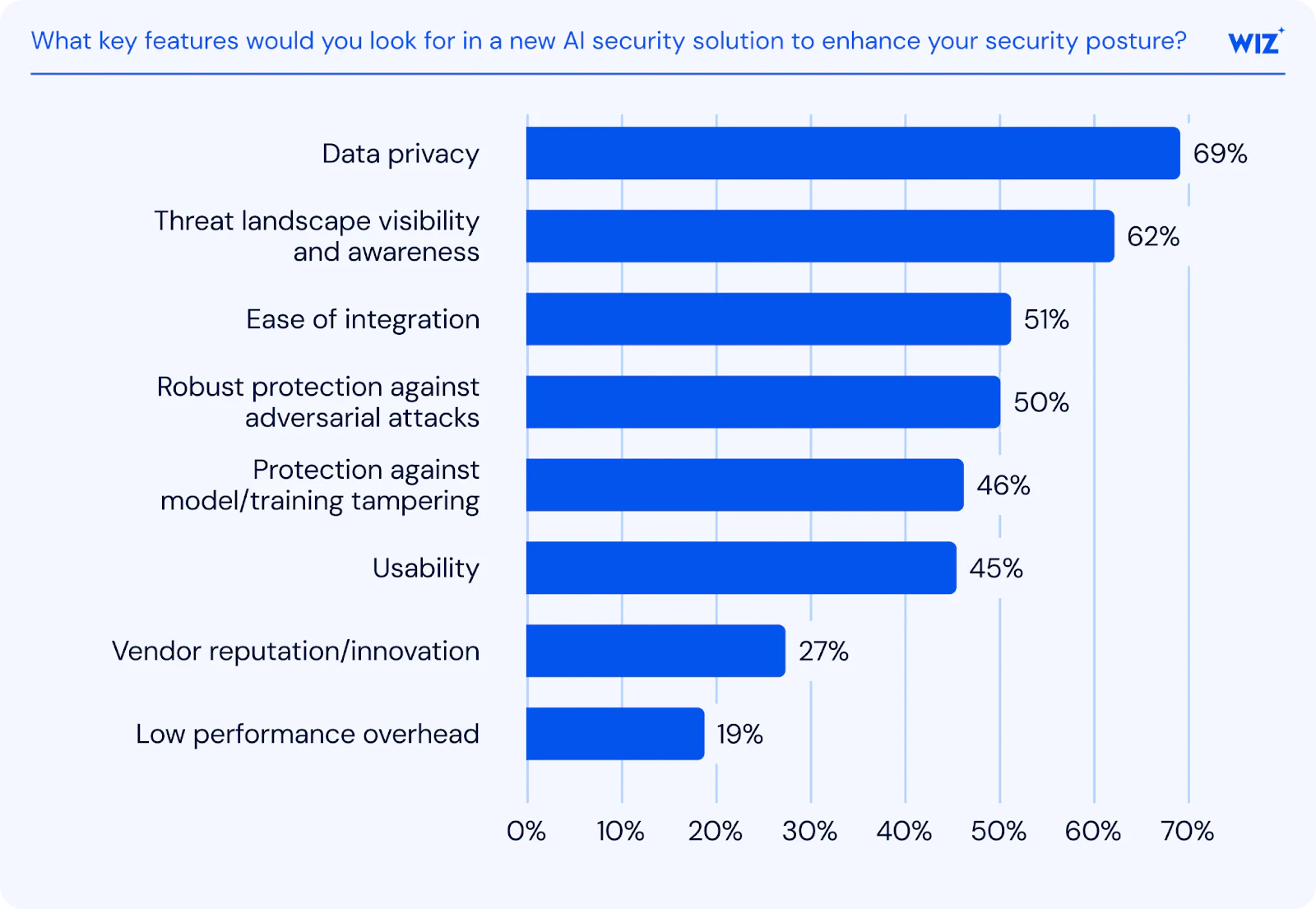
Here’s a snapshot of the vibe coding security vulnerabilities that developers face:
AI-generated code vulnerabilities: As we’ve seen, AI copilots tend to generate code that’s not quite as safe as it looks. Even the smallest logic flaw in this code can be exploited by adversaries. In cloud environments, these flaws often surface at runtime, where insecure logic interacts with identities, APIs, and data stores.
Supply chain risks: Vibe coding often relies on third-party AI tools, extensions, and low-code platforms that introduce supply chain risk through insecure defaults, exposed APIs, or insufficient access controls.Here’s a real-world example: Wiz researchers uncovered authentication issues on Base44 in July 2025. Wiz investigated the mechanics of Base44's authentication protocols to see what authentication APIs could possibly evade them.
Reconnaissance revealed vulnerabilities across two Swagger UIs (API visualization interfaces) in Base44’s subdomains, which made them publicly accessible. Basically, with a simple app_id value, any user could potentially access private applications. The fact that the app_id wasn’t secret and was exposed in the URI and manifest.json file path made it clear to Wiz just how easily adversaries, even entry-level actors, could sneak through the existing authentication layers.
Less than a day after Wiz disclosed these vulnerabilities, the validation of privacy settings across Base44’s domains was reinforced to ensure that users can’t register for private applications. None of Base44’s customers were affected. The lesson learned? Tools like Base44 enable rapid, AI-assisted development, but they also expand the cloud attack surface when authentication and endpoint exposure are not carefully controlled.
AI IAM issues: Any AI application that helps generate code should have strongly policed access controls. Why? Because IAM risks like overprivileged accounts enable adversaries to access coding platforms and manipulate the code you generate.
AI data risks: AI consumes and processes pretty big datasets, which often include sensitive information. Sometimes, even AI prompts contain sensitive data. If AI data best practices aren’t followed, enterprises should prepare themselves for a long list of headaches stemming from data privacy lapses and noncompliance events. Without proper data access controls, AI tools may inadvertently ingest or expose sensitive data through prompts, logs, or retrieval pipelines.
Multi-cloud complexity: Most vibe coding practices take place in distributed and federated cloud infrastructures. Since vibe coding doesn't follow a strict plan and is intuitive, complex cloud environments pose double the risk. The main issue? Multi-cloud setups are like mazes. Achieving complete visibility and an interconnected understanding of vibe coding practices, apps, and resources is far from straightforward.
Runtime risks: AI-generated code may appear safe at the source, but vulnerabilities often emerge during runtime. For businesses, the runtime challenge is twofold: first, they must achieve runtime visibility, but second, they need to map issues back to their root cause.
AI attack paths: Attack paths to AI models and sensitive training data aren’t easy to spot in cloud setups where nothing stays the same for more than a few minutes. The slightest cloud misconfiguration or overentitled account could lead adversaries to code-generating AI applications, and your security teams might not find out until significant damage has already occurred.
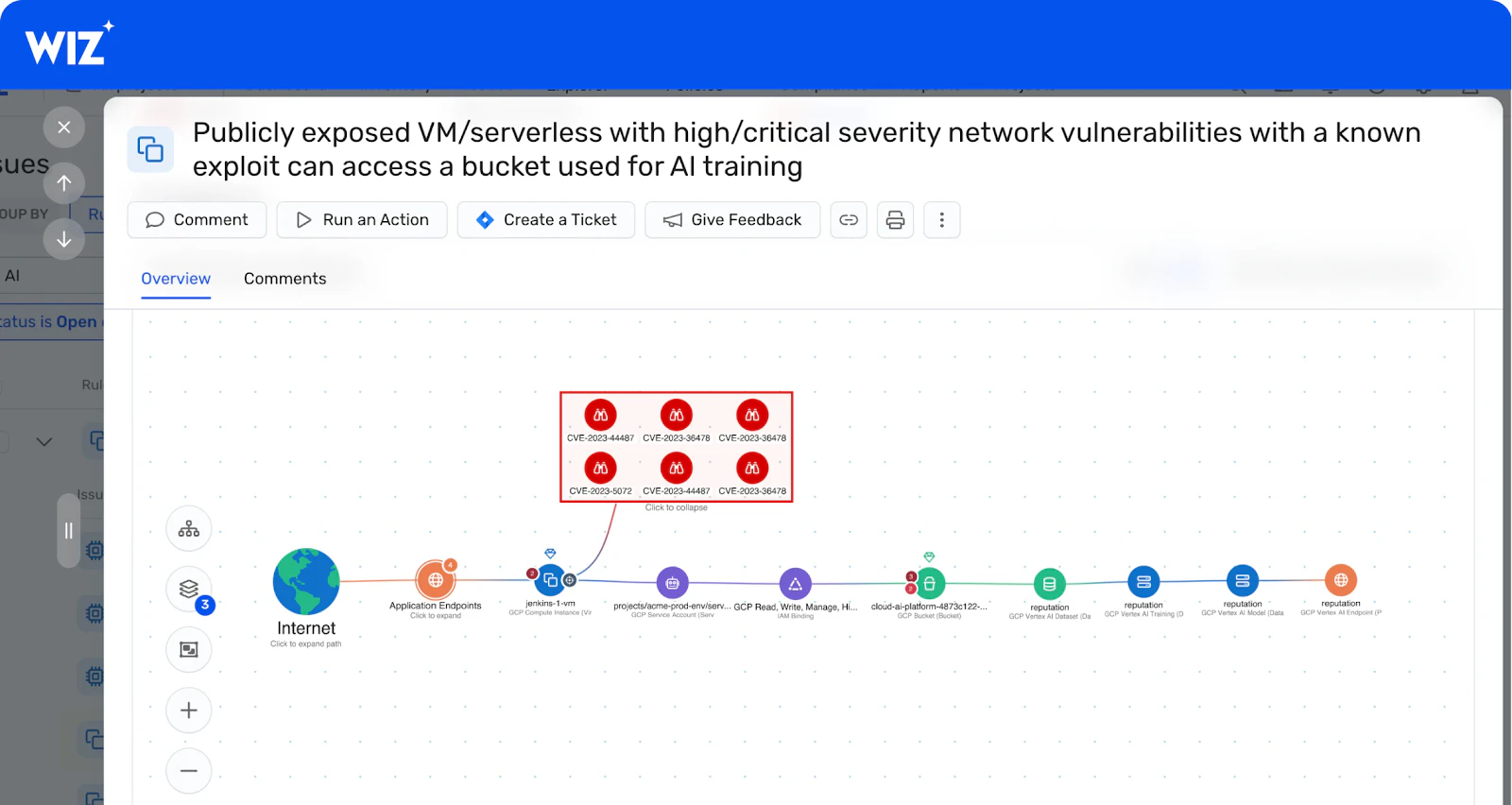
Cloud stack compatibility challenges: Not all AI applications used for vibe coding easily unify with the rest of an enterprise’s cloud. As a result, it’s virtually impossible to achieve unified visibility and security and assess risk.
Prompt injection: Prompt injection occurs when threat actors feed malicious or misleading inputs into an AI application, including indirect prompt injection via external sources, to manipulate outputs, generate insecure code, or expose sensitive data from training models.
Now that we have a grasp on what’s at stake, let’s focus on how to avoid risks and unlock the best of what vibe coding can offer businesses.
Vibe coding best practices
As AI-assisted development becomes more common, organizations need practical ways to manage the security risks it introduces.
Here are some recommendations to secure and strengthen vibe coding practices.
Enforce security guardrails early
Adopt a policy-as-code strategy to embed security guardrails like role-based access controls and data protection across your AI services and resources. Embedding security into the earliest stages of development pipelines helps developers catch misconfigurations and avoid runtime mishaps, and it’s also great for fostering a more democratized “you build it, you secure it” culture. In sprawling cloud environments, this democratization of security is super important.
Inside MCP Security: A Field Guide
AI agents and copilots introduce new attack surfaces through protocols like MCP. Explore the emerging risks and how to address them.

Automate scanning and validation in CI/CD pipelines
Integrate security with pipelines and automate continuous scanning across code, dependencies (SCA/SBOM), container images, and IaC. Map these controls to SLSA levels and NIST SSDF practices, including artifact signing (e.g., Sigstore), provenance tracking, and SBOM generation. By introducing 24/7 scanning and strong vulnerability detection and remediation mechanisms, you’ll make security a proactive part of the AI-driven development process rather than a reactive measure.
Pair technical controls with human oversight
Coding with AI tools can be very risky without manual reviews. Go beyond automated checks; ensure that security experts sift through AI-generated code to check for logic flaws, vulnerabilities, and bugs.
But keep in mind that it’s all about balance. Human review is most effective when focused on high-impact logic, permissions, and integration points rather than every line of generated code. If you opt for too many manual code audits, it could hinder developer productivity. If you keep humans away, your tools might not pick up subtle AI vulnerabilities. Long story short: Pairing machine and human reviews is the way to go.
Reinforce secrets management and credential protection
When you’re coding with AI, it’s crucial not to hardcode any secrets. This means not feeding AI applications with plaintext secrets and files like LDAP passwords, container credentials, and API tokens. Use secrets management platforms like HashiCorp Vault, AWS Secrets Manager, and Azure Key Vault to keep secrets secure in vibe coding infrastructure. A few bonus secrets management recommendations: include strict access controls and rotate keys and credentials regularly.
Embed compliance into development pipelines
To maintain a strong compliance posture in vibe coding practices, move on from static and reactive checks and instead build regulatory guardrails into development workflows. Checklists are still useful to ensure compliance during AI-driven coding practices, but continuous and automated compliance checks are the real non-negotiables, especially across agile development environments.
Include controls aligned to SOC 2, ISO 27001, NIST Secure Software Development Framework (SSDF), and Supply-chain Levels for Software Artifacts (SLSA), alongside GDPR, HIPAA, and PCI DSS. For AI risk management, consider the NIST AI Risk Management Framework (AI RMF).
If you’re engaging in autonomous development, maintaining audit trails is imperative, both for cross-team accountability and compliance with internal and industry standards.
Future-proof AI security defenses
As vibe coding practices evolve, security teams should focus less on predicting future threats and more on building controls that adapt as environments change. In fast-moving cloud and AI development workflows, durability comes from continuous validation rather than static policies.
Organizations should prioritize automation and visibility across AI-assisted development pipelines, ensuring that new tools, agents, and services are discovered and assessed as they are introduced. This includes monitoring how AI-generated code interacts with identities, APIs, and cloud resources at runtime, not just how it looks at commit time.
Finally, teams need response mechanisms that shorten the gap between detection and remediation. When AI-assisted workflows introduce misconfigurations, over-privileged access, or risky behavior, security teams must be able to trace issues back to their source and fix them quickly. This approach allows organizations to scale vibe coding practices without accumulating hidden security debt.
At enterprise scale, securing vibe coding practices requires tools that can correlate AI risks with cloud identities, data, and infrastructure. Specifically, you need a tool that correlates AI security risks with other cloud factors / risks and offers a unified, integrated platform.
How Wiz helps secure AI-assisted development workflows
Vibe coding expands the cloud attack surface by introducing AI-generated code, new development tools, and AI services that interact directly with identities, data, and infrastructure. Wiz helps teams manage this risk through its AI-Application Protection Platform (AI-APP), which connects code, cloud, and runtime in a single security graph so teams can see how AI-assisted development workflows are actually deployed and exposed in cloud environments.
That end-to-end view is part of why Wiz was named an AI Security Technical Innovator in Latio’s 2026 AI Security Report, which highlighted Wiz’s vision for securing AI adoption and its differentiated technical capabilities for modern cloud and AI architectures.
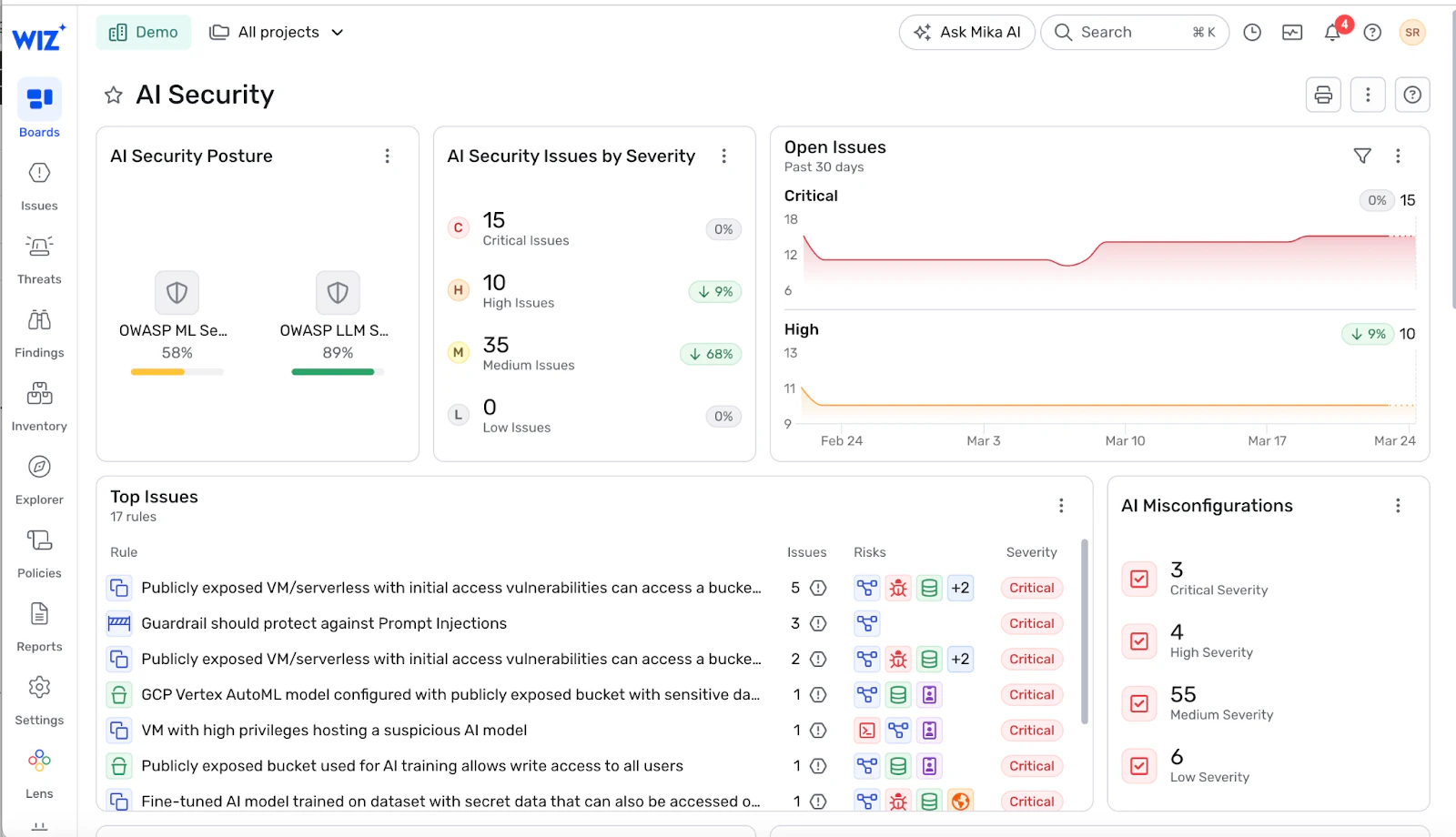
Through its AI Security Posture Management capabilities, Wiz inventories AI services, coding tools, Model Context Protocol (MCP) servers, and AI-powered endpoints across cloud environments, and builds an AI bill of materials (AI-BOM) that maps them to identities, permissions, and data access paths. This allows teams to identify where vibe coding workflows introduce misconfigurations, over-privileged access, or exposed endpoints that could be exploited.
Wiz correlates these findings using its security graph to surface real attack paths and the toxic combinations that matter most, showing when AI-assisted development tools can reach sensitive cloud resources or production systems. Instead of reviewing isolated findings, teams can prioritize issues based on what is actually reachable and impactful.
By continuously validating configurations and monitoring runtime behavior, Wiz helps organizations scale vibe coding practices without losing control over cloud security. Teams can detect issues early, trace them back to their source in code or configuration, and remediate them before AI-assisted development turns into production risk.
As teams adopt more autonomous development patterns, AI-Powered Wiz extends that context into action. Red Agent can validate exploitable application risks the way an attacker would, Blue Agent can investigate suspicious activity across cloud and runtime signals, and Green Agent can guide remediation. Agentic Workflows can then route those decisions into repeatable response steps, helping security teams keep pace with AI-assisted delivery.
Get a demo now to see how Wiz can help keep your AI environments safe and support your vibe coding best practices. Request a demo to explore how Wiz can secure your cloud environment.
Explore how Wiz connects AI services, identities, data, code, and runtime exposure in one security graph.
Learn what makes Wiz the platform to enable your cloud security operation
