



What is Cloud Infrastructure Entitlement Management?
Cloud infrastructure entitlement management (CIEM) is a security discipline that discovers, analyzes, and governs identity permissions across cloud environments. CIEM platforms automatically map who has access to which cloud resources, identifying overprivileged accounts and enforcing least-privilege policies to prevent unauthorized access and reduce breach risk.
What makes CIEM distinct from traditional identity and access management (IAM) is its focus on effective access—the actual permissions an identity holds across all policy layers. Uncovering this path requires analyzing both explicit permissions and inherited group memberships, service account relationships, and cross-account role assumptions.
Why does CIEM matter for modern cloud security programs?
The shift to multi-cloud environments has fundamentally changed the scale and complexity of identity governance. Enterprises now manage tens of thousands of cloud identities across AWS, Azure, and Google Cloud, spanning human users, service accounts, automated workloads, and non-human identities like CI/CD pipeline roles and serverless functions. Machine identities outnumber human employees by roughly 82:1, making manual entitlement oversight operationally impossible at scale.
Wiz Named a Leader in The Forrester Wave™
Forrester’s CNAPP evaluation rated Wiz with the highest Current Offering category score, which we believe reflects our commitment to protecting everything built and run in the cloud.

Here are critical areas where CIEM strengthens cloud security:
Identity sprawl across multi-cloud environments
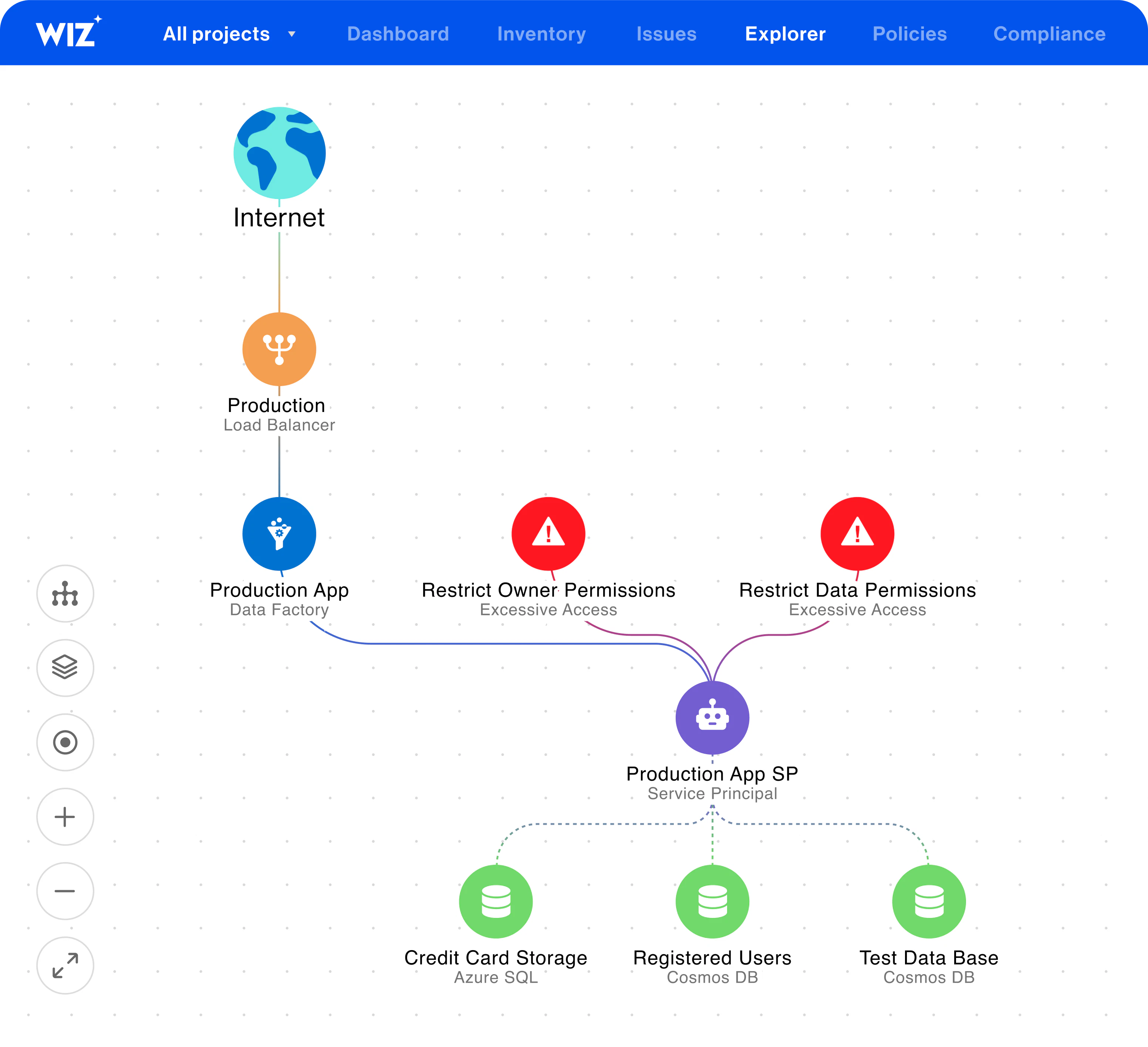
Organizations running workloads across AWS, Azure, and Google Cloud face inconsistent access control policies, separate IAM systems, and zero unified view of who holds permissions. CIEM consolidates visibility into a single dashboard, letting security teams manage cloud permissions across providers without context-switching between native consoles.
The shift from perimeter-based to identity-based security
Traditional on-premises security relied on network perimeters to control access. In the cloud, identities are the perimeter. The 2024 Verizon Data Breach Investigations Report found stolen credentials surfaced in nearly one-third of all breaches over the past decade. High credential theft rates reinforce that identity security is a primary line of defense, outranking secondary concerns.
Compliance requirements
Regulations such as GDPR, HIPAA, PCI DSS, and FedRAMP require organizations to demonstrate access controls, maintain audit trails, and enforce least privilege across every cloud environment. CIEM automates continuous monitoring and reporting—tasks that manual processes can’t reliably handle.
The operational reality of permission drift
Cloud environments change constantly. Developers provision new roles to unblock deployments, automated processes accumulate permissions over time, and deprovisioning lags. Constant drift creates persistent overprivilege across cloud infrastructure, but CIEM detects and remediates these risks in real time.
How does CIEM work?
CIEM platforms deliver four core capabilities that transform how organizations secure cloud identities and permissions. These capabilities work together to provide comprehensive identity risk management across your entire cloud infrastructure.
1. Analyzing effective access
Effective access analysis reveals exactly who can access cloud resources and through what access paths. CIEM platforms map all identities and their actual access rights across multi-cloud environments, accounting for complex permission structures such as AWS Service Control Policies (SCPs), permission boundaries, and Azure Management Groups. Mapping real-world access capabilities surpasses directly assigned permissions. A user with no explicit S3 write permissions may still achieve write access through a role assumption chain—effective access analysis surfaces that path.
2. Right-sizing permissions
CIEM continuously monitors cloud identities to right-size permissions using least-privilege policies. Comparing assigned permissions against observed usage surfaces unexercised or stale access, generating recommendations to revoke or scope down entitlements. Right-sizing these permissions significantly reduces an organization's attack surface, streamlines legitimate access, and ensures cloud identities don’t serve as entry points for threat actors.
3. Detecting accidental exposure
Accidental exposure detection identifies unintentionally public or overly accessible cloud permissions or credentials. CIEM platforms continuously scan for exposed access keys, misconfigured roles, and publicly accessible resources. Blocking these exposures prevents attackers from exploiting leaked credentials to hijack identities, move laterally through cloud infrastructure, and steal sensitive data. A common example is an AWS IAM access key committed to a public code repository. CIEM flags the exposure, allowing you to remediate before attackers can attack.
The 2026 Cloud Threat Report
See how identity-based attacks are evolving across cloud environments with real-world data from the Wiz Threat Research team.

4. Generating remediation recommendations
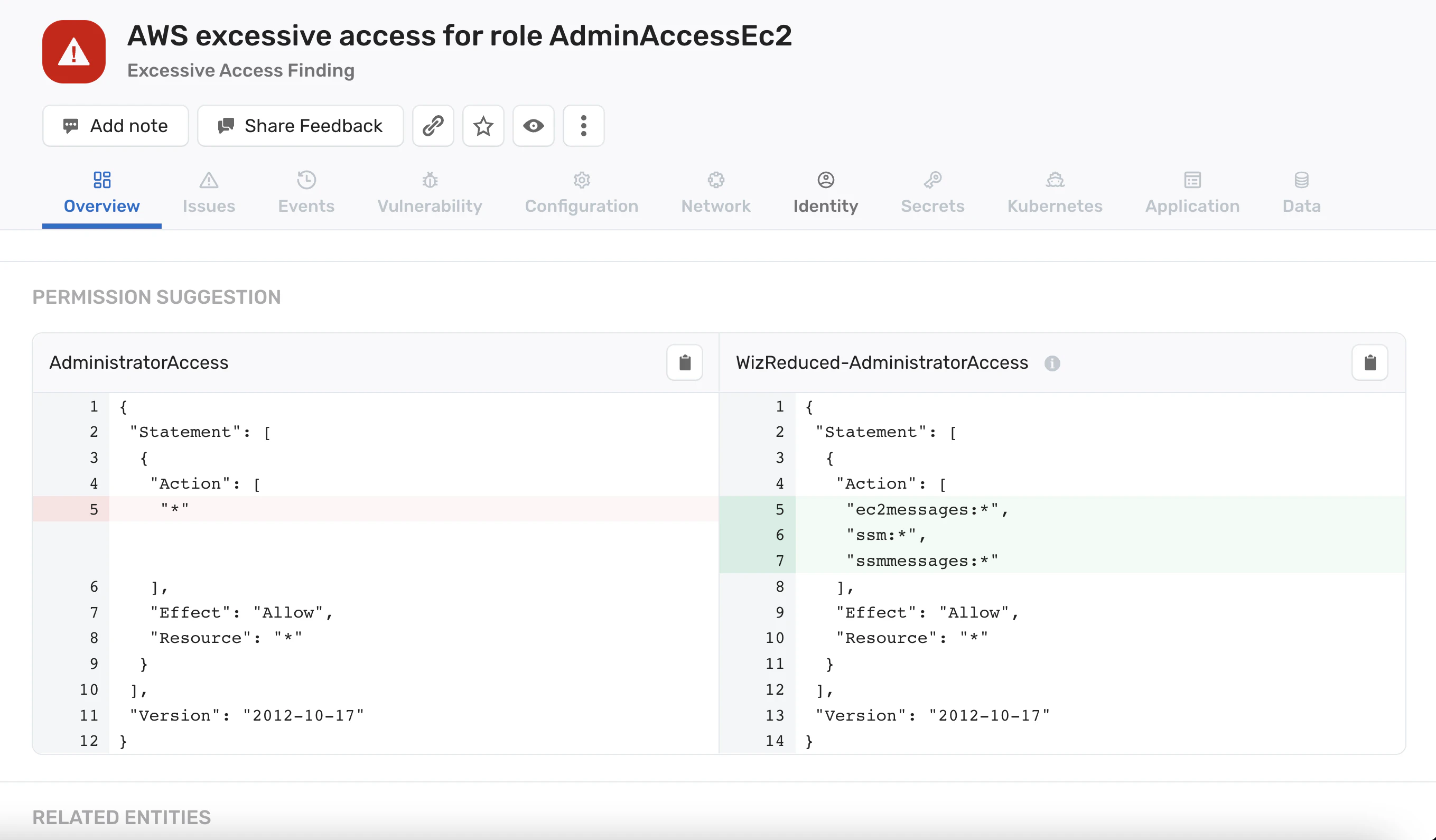
CIEM goes beyond detecting accidental exposures by providing granular, step-by-step remediation guidance, enabling security teams to right-size access and revoke unused or excessive permissions. CIEM tools generate actionable policy suggestions, moving past raw findings and leaving remediation to manual interpretation—for example, a least-privilege replacement policy for an AWS role with unused services and permissions. Guided recommendations help organizations fix identity-related security vulnerabilities before serious damage occurs.
Watch 12-min Wiz Cloud demo
See how Wiz Cloud finds toxic combinations across misconfigurations, identities, data exposure, and vulnerabilities, without agents.

CIEM security benefits
CIEM delivers four measurable security improvements that transform how organizations manage cloud access risks. These benefits directly impact your security effectiveness and operational efficiency:
1. Enhanced visibility
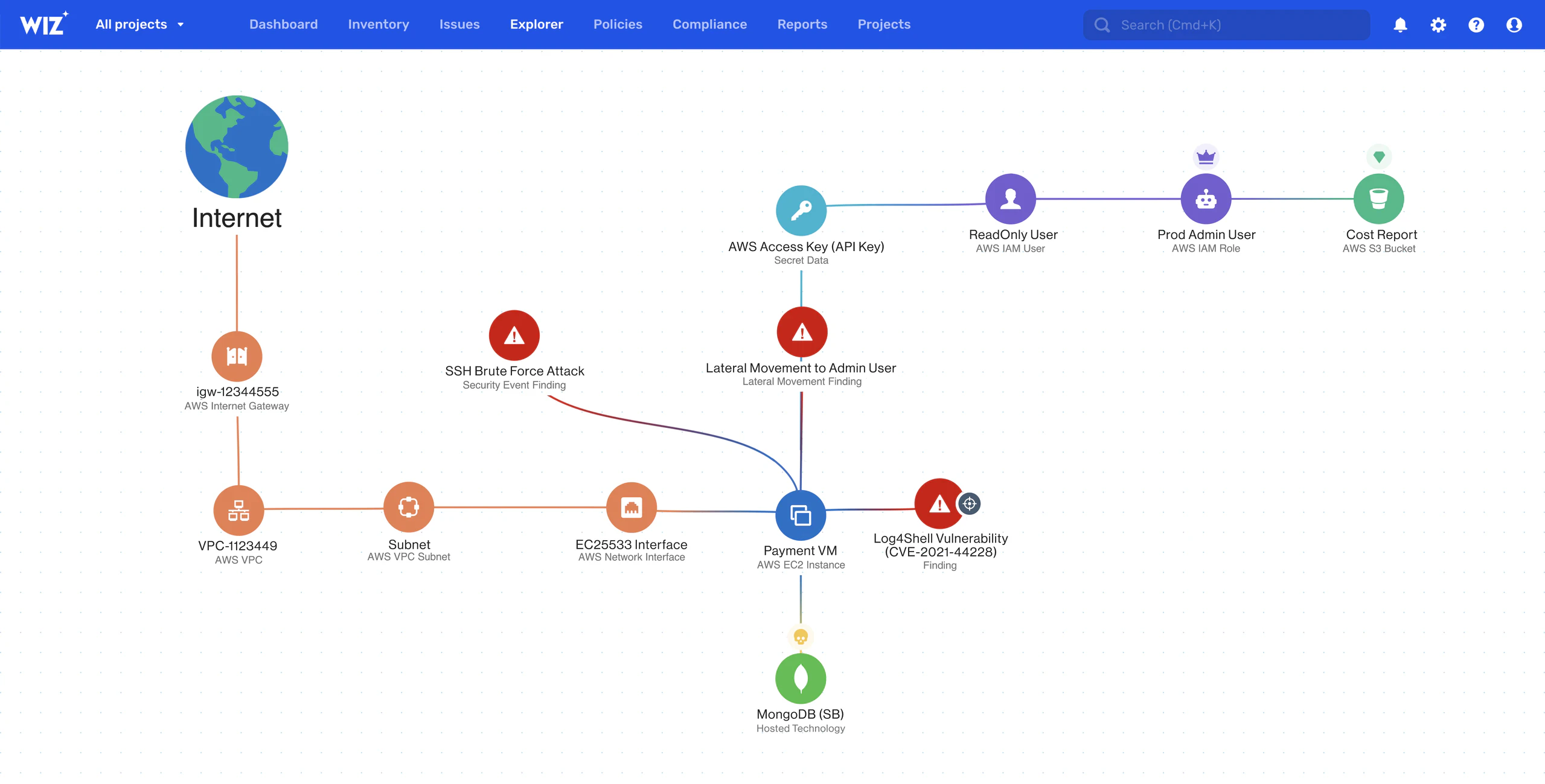
CIEM provides thorough visibility into entitlements and cloud identities across multi-cloud environments, giving enterprises a centralized view of which resources each identity can access. A consolidated dashboard enables security teams to monitor and manage cloud permissions and privilege policies at scale. Enhanced visibility makes it practical to identify and eliminate redundant, dormant, and overprivileged digital identities that otherwise remain hidden across disparate cloud provider consoles.
2. Robust security posture
Enforcing the principle of least privilege (PoLP) ensures digital identities have only the access required for their specific tasks, eliminating additional cloud entitlements for actions or resources.
Tightening permissions limits a compromised account’s blast radius. Minimal access rights bind any damage attackers can cause if they gain access to a least-privileged identity. CIEM's continuous PoLP enforcement provides a foundational control layer across cloud services for organizations building toward zero-trust architectures.
3. Improved compliance
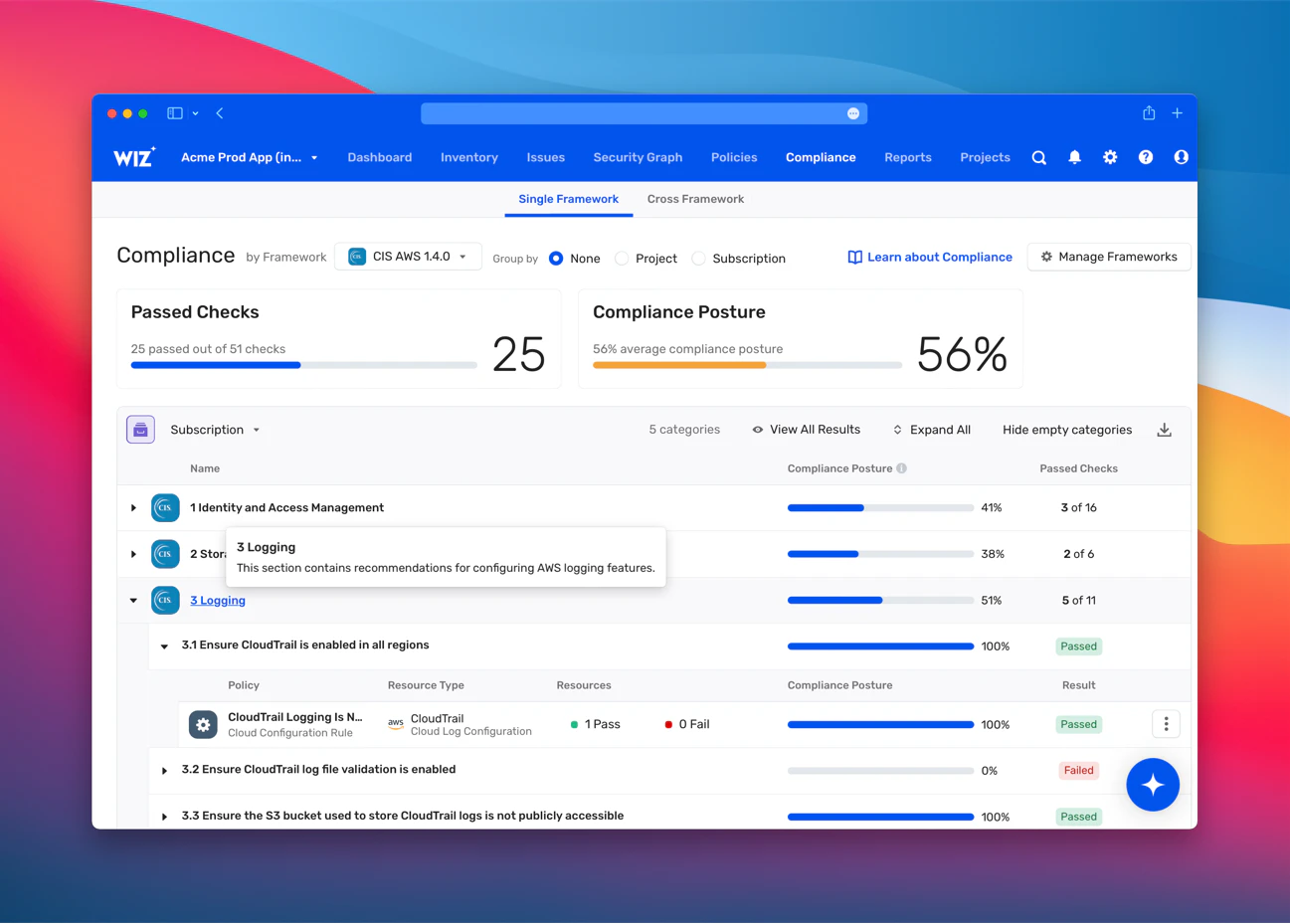
Cloud-native teams must follow a range of industry-specific and regional regulations, including GDPR, CCPA, HIPAA, PCI DSS, and FedRAMP. Automated CIEM helps enterprises identify and remediate identity-related risks fast, reducing exposure to legal penalties and audit failures. It also generates the audit trails and access reports compliance reviews require. Automating these workflows improves audit readiness and reduces the manual overhead regulatory reporting typically demands.
4. Detection and remediation of identity-related risks
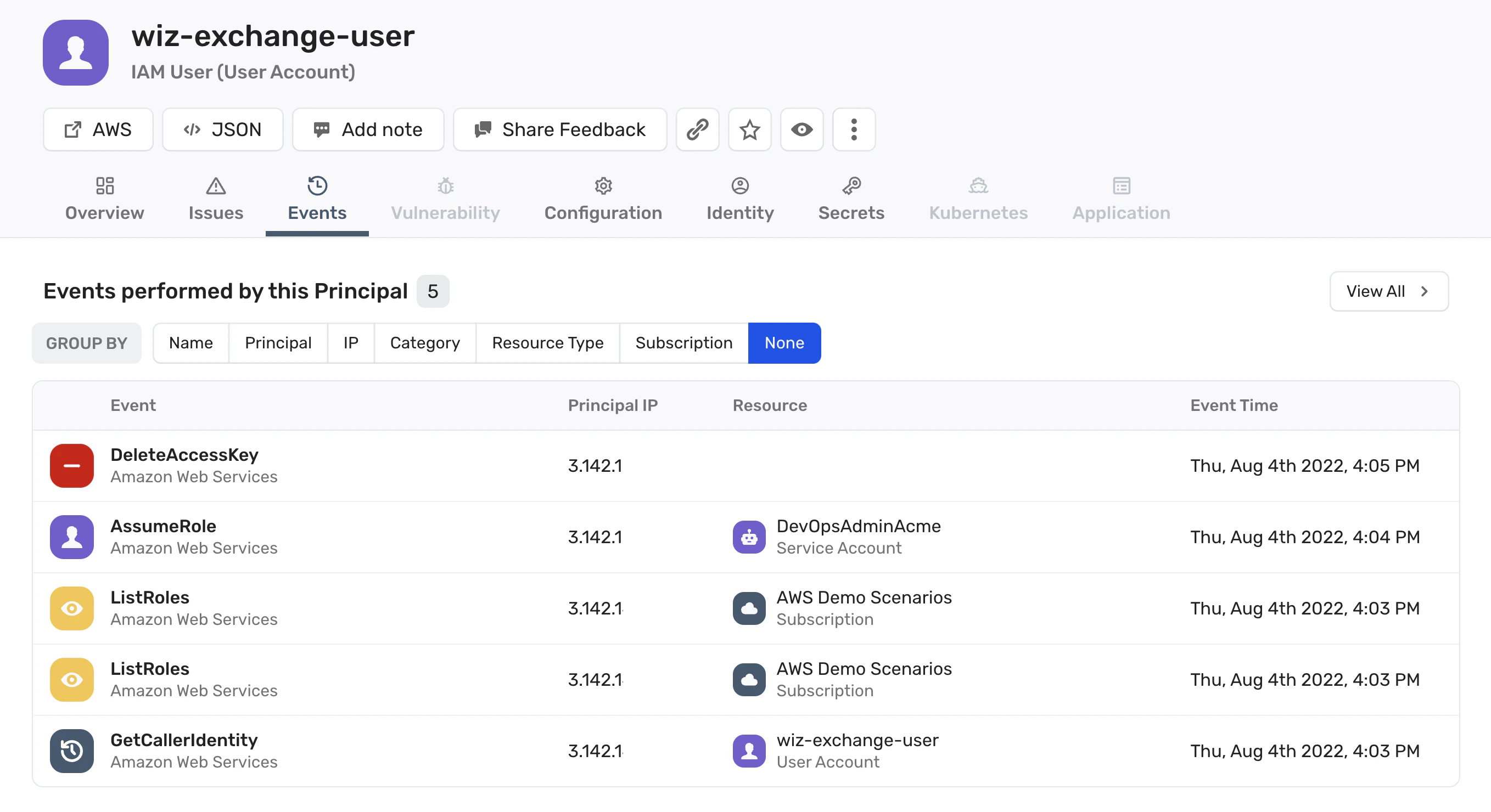
Cloud identities carry a range of risks, including unnecessary privileges, outdated permissions, and misconfigurations leading to accidental public exposure. Effective CIEM solutions automatically detect, prioritize, and remediate these identity-related risks. Granular visibility into individual IAM user activity enables faster detection of anomalous behavior signaling a compromised account. Catching these risks early helps enterprises avoid the financial and operational setbacks that follow a cloud identity breach.
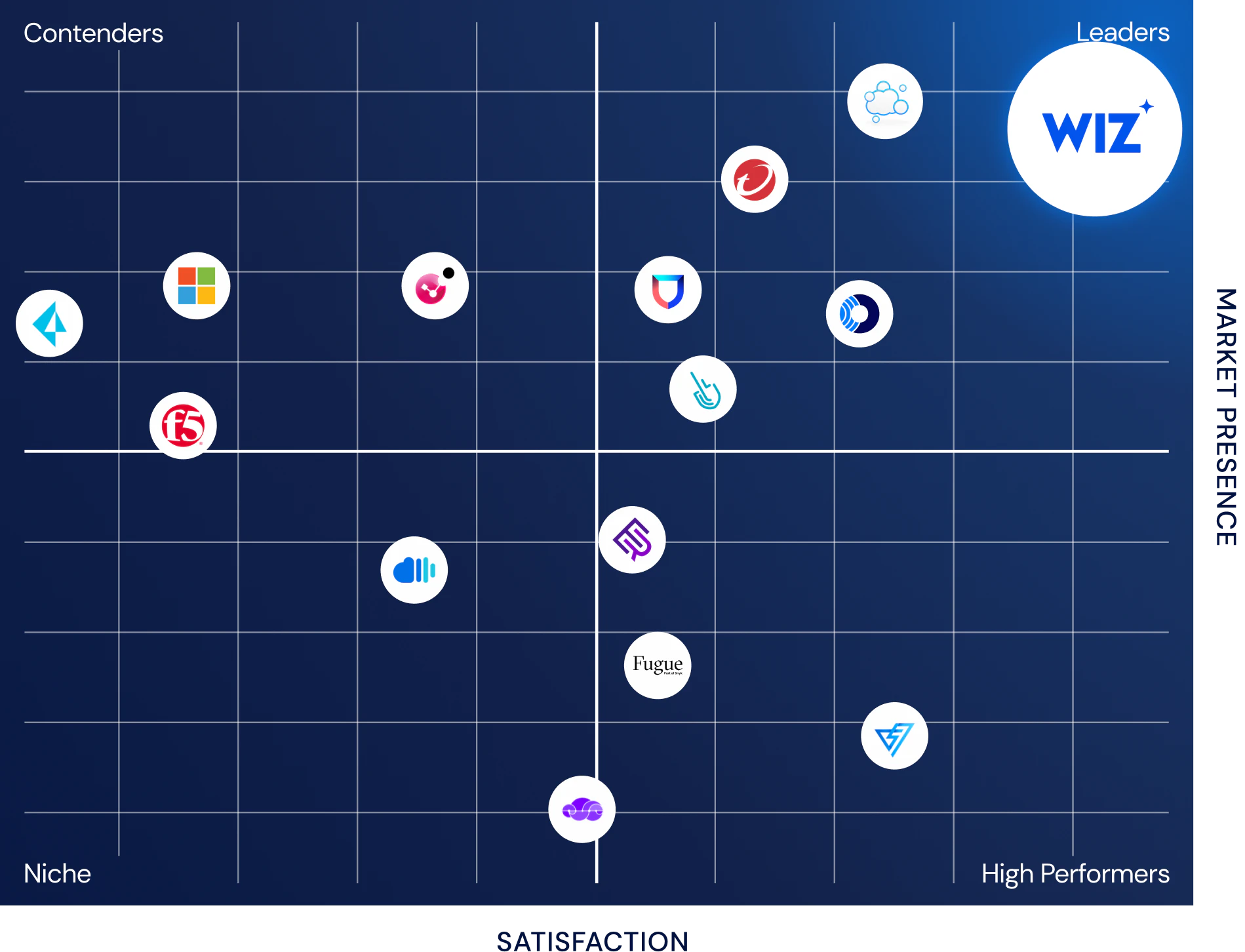
See Why Wiz Leads in CNAPP—and CIEM
The latest G2 CNAPP Report names Wiz the #1 platform for securing the cloud—from configurations to identity access. Download the report to see how Wiz powers modern CIEM strategies and more.
Get G2 Report
CIEM vs. traditional identity management approaches
CIEM fills gaps legacy identity tools can’t—managing the scale, complexity, and cloud-native permission structures found in modern multi-cloud environments. Understanding where CIEM differs from existing approaches helps security teams determine where it fits within their broader cloud security strategy.
CIEM vs. IAM platforms
Traditional IAM platforms handle authentication and authorization, defining who can access a system and what they’re allowed to do at a broad level. These tools work well in relatively static, on-premises environments where permissions change infrequently, and policy structures are straightforward.
In cloud environments, permissions are dynamic and inherited through multiple policy layers across dozens of AWS accounts, Azure subscriptions, or Google Cloud projects simultaneously. IAM systems lack the cross-platform visibility needed to analyze effective access at this scale or detect when inherited permissions create unintended access paths. CIEM operates on top of IAM, consuming its data and analyzing what those permissions actually mean in practice. Our deeper comparison of CIEM vs. IAM breaks down the distinction in detail.
CIEM vs. privileged access management
Privileged access management (PAM) focuses on securing high-privilege accounts, typically human administrators with elevated access to critical systems. PAM controls how these privileged accounts access resources through session management, credential vaulting, and just-in-time access provisioning. CIEM delivers continuous visibility across every cloud identity, including service accounts, roles, and automated workloads PAM doesn’t manage. In the cloud, non-human identities PAM never touches often create the highest-risk access paths.
PAM and CIEM are complementary controls. PAM secures privileged human access, while CIEM governs the full entitlement landscape across all identity types. The Wiz and CyberArk integration demonstrates how PAM and CIEM capabilities can work together within a unified cloud security strategy.
How does CIEM work with CNAPP?
Historically, CIEM functioned as a siloed cloud security solution, which created operational gaps. Siloing risks prevents security teams from knowing which risks are truly exploitable. When identity risks sit in one tool, vulnerabilities live in another, and misconfigurations hide in a third, security context disappears.
Integrating CIEM into a cloud-native application protection platform (CNAPP) solves the fragmentation legacy tools create. Within a CNAPP, identity data from CIEM connects to findings from cloud security posture management (CSPM), cloud workload protection platform (CWPP), and vulnerability scanning. An identity with excessive permissions is one signal. If that same identity also has a path to a publicly exposed workload running an unpatched vulnerability, the combined finding becomes a high-priority remediation target. Without CNAPP integration, these two signals never connect.
CIEM also serves as a practical foundation for organizations building toward zero trust, since enforcing least-privilege access across cloud identities is a core component of any zero trust implementation. For organizations working to align cloud security with data governance, DSPM and CIEM together offer a more complete picture of who can access sensitive data and whether that access represents a real risk. Wiz's non-human identities dashboard surfaces machine identity risks within the broader context of cloud security findings, enabling teams to govern service account access with the same rigor they apply to human users.
Strengthen cloud entitlements with modern CIEM
Selecting a CIEM solution requires prioritizing automated discovery of all cloud identities, real-time analysis of effective permissions—not just assigned roles—and actionable remediation guidance that enables least-privilege access policies without extensive manual research. Integration depth matters equally—a CNAPP with native CIEM capabilities connects identity data to the broader cloud security picture for better prioritization and faster remediation. For organizations evaluating how CIEM fits alongside other controls, CIEM vs. CSPM clarifies where each capability applies.
We built Wiz Cloud to address the integration gap. Using cloud provider APIs, Wiz delivers full visibility across identities, permissions, and effective access paths without requiring agents. When an identity issue intersects with a vulnerability or misconfiguration, Wiz's Security Graph surfaces the toxic combination so your team can prioritize the risks that actually pose a threat.
See how Wiz Cloud uncovers excessive permissions and identity risks across your cloud environment in minutes—book a demo to understand your effective access paths and reduce your attack surface. Or, get the free security assessment to see where your cloud security stands today.
Get a personalized demo of identity-to-risk mapping with Wiz
See how Wiz CIEM uncovers excessive permissions, toxic combinations, and hidden access paths in minutes, giving you a clean, actionable map of identity risk.
