



Sensitive data no longer lives in one place. Across modern cloud environments, it moves constantly between services, regions, databases, and AI pipelines, often without centralized visibility or consistent security controls. According to Wiz Research, 72% of cloud environments have publicly exposed PaaS databases that lack sufficient access controls, and 54% have virtual machines or serverless instances containing sensitive information like PII or payment data exposed to the internet.
DSPM addresses this challenge by continuously discovering sensitive data, evaluating risk in context, and helping security teams prioritize and remediate the exposures most likely to result in a breach.
Choosing a DSPM Solution? Start Here.
Our buyer’s guide breaks down the must-have features, evaluation criteria, and an RFP template to help you make the right choice.

What is data security posture management (DSPM)?

DSPM is a security discipline focused on helping organizations continuously understand and reduce data risk in cloud environments. It goes beyond locating sensitive data by evaluating how that data is accessed, protected, and potentially exposed across cloud services, including data used in AI workflows such as training datasets, feature stores, and model artifacts.
Modern DSPM solutions automatically discover and classify sensitive data across multi-cloud environments, then assess risk by analyzing access permissions, encryption status, configuration weaknesses, and exposure paths. Rather than treating all findings equally, DSPM prioritizes risk based on context: who can access the data, whether it is publicly exposed, how it moves between systems, and the potential business impact if compromised.
DSPM vs. CSPM
DSPM and cloud security posture management (CSPM) address different but closely related aspects of cloud security. A useful framing: CSPM secures the "box" (your infrastructure), while DSPM secures the "contents" (your data).
CSPM evaluates how cloud services, networks, identities, and workloads are configured, identifying misconfigurations that could expose the environment or enable lateral movement.
DSPM focuses specifically on data risk, including discovering and classifying sensitive data, analyzing who can access it, and evaluating how it could be exposed or exfiltrated.
The two disciplines are complementary and most effective together. Infrastructure misconfigurations often create the conditions that expose sensitive data, and without both capabilities, teams are left with an incomplete picture of cloud risk.
Core challenges of data security posture management
Modern cloud environments introduce data security challenges that traditional tools were never designed to handle:
Data sprawl distributes sensitive information across dozens of services, regions, accounts, and shadow AI instances without centralized oversight, often because data created for one purpose gets reused across analytics pipelines and AI training jobs.
Shadow data created in development environments, staging databases, or AI workflows frequently bypasses standard security protocols, leaving blind spots that remain invisible to security and compliance teams until after an incident.
False positives and alert fatigue prevent effective action when tools surface large volumes of findings without the context needed to determine actual exposure, leading security teams to triage noise rather than resolve real vulnerabilities.
Regulatory complexity continues to grow as organizations scale across cloud providers, requiring continuous visibility into how sensitive data is stored and protected to meet requirements under GDPR, HIPAA, PCI DSS, and CCPA.
Benefits of data security posture management
DSPM helps organizations reduce data risk by bringing continuous visibility, context, and prioritization to cloud environments where sensitive information is widely distributed and constantly changing. Here's an overview of DSPM benefits.
1. Eliminate blind spots across your entire data landscape
Cloud data sprawl means sensitive information ends up in places no one intended—forgotten storage buckets, shadow AI instances, replicated analytics pipelines. DSPM gives organizations a continuously updated picture of where sensitive data lives, so they can stop managing risk from an incomplete map.
2. Focus security efforts on the risks that actually matter
Not every finding is worth acting on. DSPM's contextual risk assessment cuts through alert fatigue by surfacing the exposures most likely to lead to a breach—publicly accessible datasets, overpermissive access to training data, sensitive information flowing into unintended systems—so teams spend time on what matters, not on noise.
3. Catch data exposure risks before they reach production
When security teams can see how sensitive data moves before a service goes live, developers can address exposure risks early rather than after the fact. This reduces the cost and complexity of remediation and gives development teams clear, actionable guidance without requiring them to become security specialists.
4. Stay compliant as data moves and regulations evolve
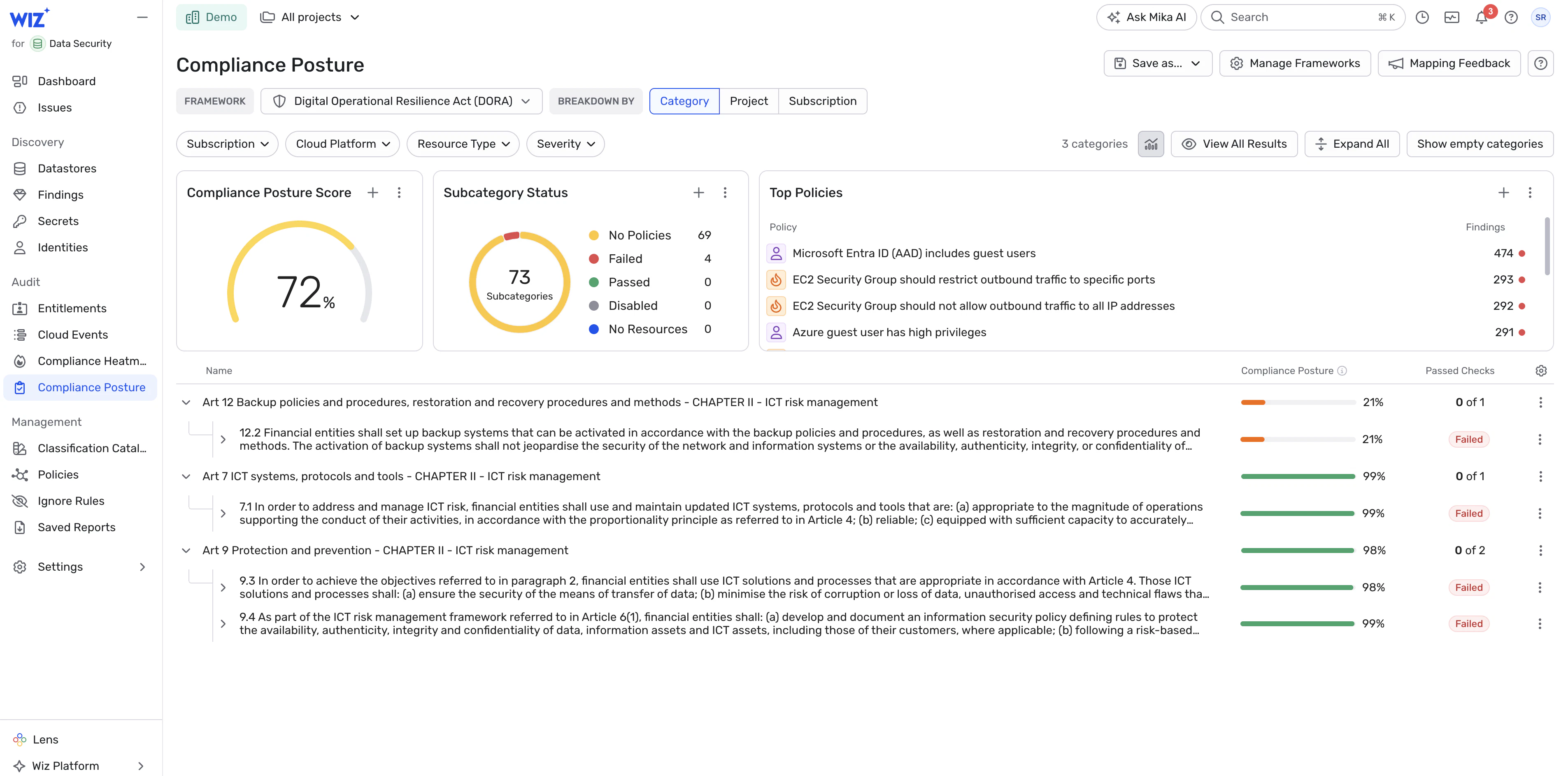
Point-in-time audits break down when data is constantly moving across AI pipelines, analytics platforms, and multi-cloud environments. DSPM maintains continuous compliance visibility—so organizations can meet GDPR, HIPAA, PCI DSS, and FedRAMP requirements without slowing development or relying on manual assessments.
Real-world example: The 2026 Mercor breach illustrates what happens when compliance monitoring fails to keep pace with third-party risk. Attackers compromised a supply chain dependency to access Mercor's systems, ultimately costing the company its contract with Meta over insufficient data protection standards. Continuous DSPM can help organizations surface third-party configuration risks against compliance requirements earlier in the process, reducing the window between exposure and response.
How data security posture management works
DSPM eliminates data security blind spots by continuously discovering sensitive data, evaluating risk in context, and supporting timely remediation, so teams always know where sensitive data lives, who can access it, and how it could be exposed. The process follows four key steps:
1. Data discovery and cataloging
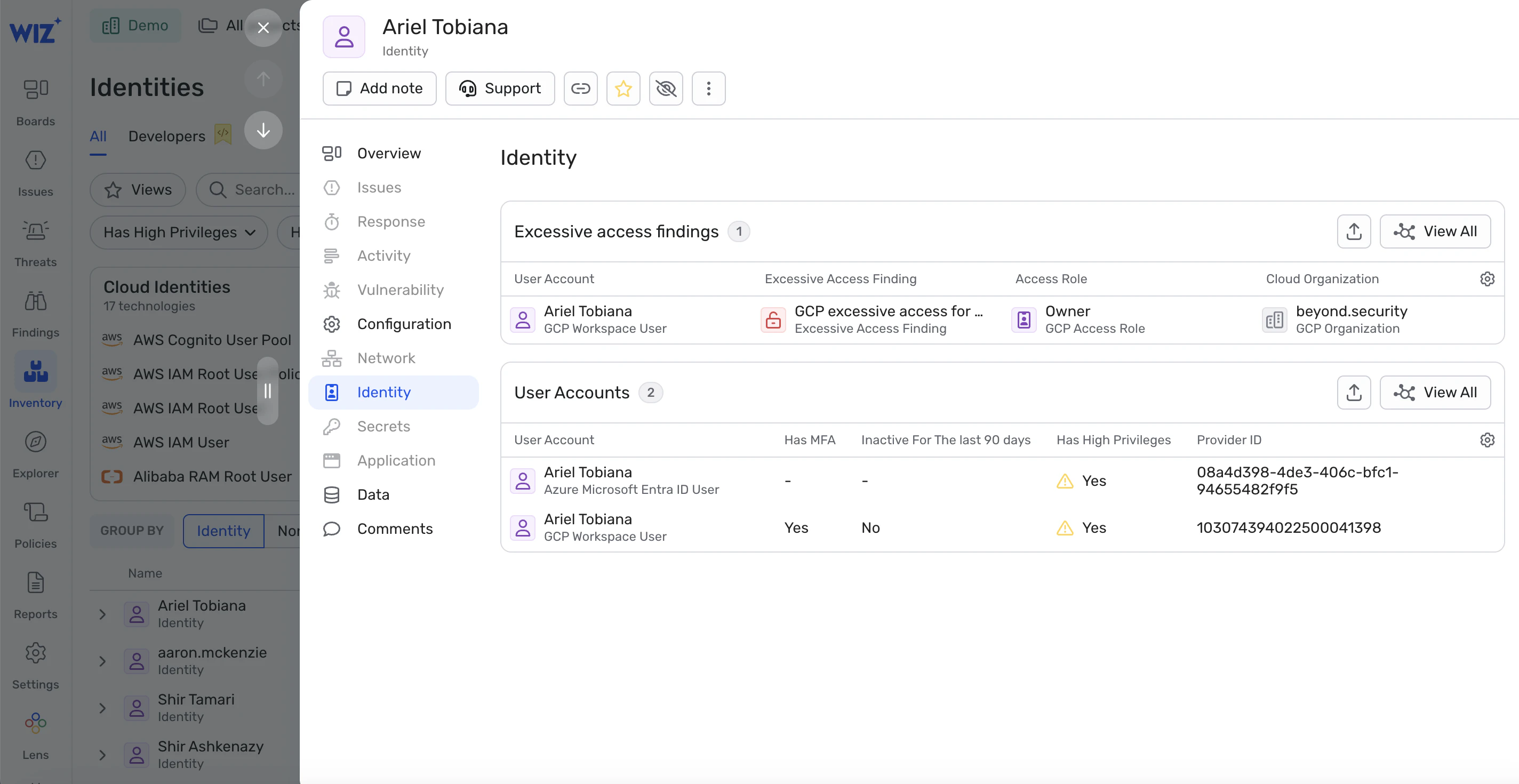
Before you can protect sensitive data, you need to know where it lives. DSPM:
Automatically discovers sensitive data across databases, object storage, applications, analytics platforms, and data pipelines
Classifies PII, financial records, regulated data, proprietary information, and AI training datasets at scale
Maintains a continuously updated inventory that eliminates blind spots from shadow data, forgotten storage, and rapidly changing cloud services
2. Contextual mapping and access visibility
Once you find the data, you need to understand who can access it and how it moves to make risk actionable. DSPM:
Maps which users, roles, services, and applications can access sensitive data
Tracks how data flows between systems and into downstream pipelines
Identifies multiplied exposure surfaces where data feeds analytics platforms or AI models across multiple services
3. Security assessment and risk prioritization
Not all sensitive data carries the same risk. DSPM helps teams focus on the findings most likely to lead to a breach by:
Evaluating access permissions, encryption status, configuration weaknesses, and exposure paths
Distinguishing between tightly controlled internal data and data reachable through overpermissive access controls
Using AI-assisted classification to reduce false positives and surface the highest-impact risks
Tracking DSPM KPIs over time to demonstrate concrete posture improvements
The Data Security Best Practices [Cheat Sheet]
No time to sift through lengthy guides? Our Data Security Best Practices Cheat Sheet condenses expert-recommended tips into a handy, easy-to-use format. Get clear, actionable advice to secure your cloud data in minutes.

4. Automated remediation and response
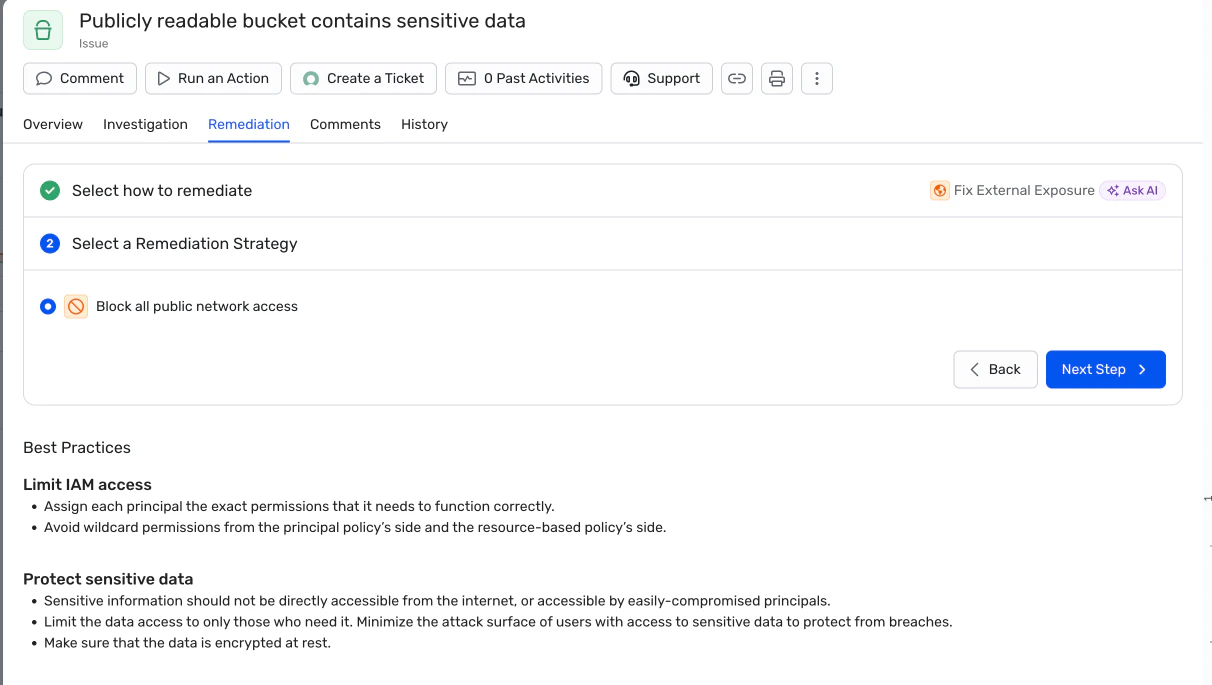
Identifying risk only creates value if teams can act on it quickly. DSPM helps reduce the window between discovery and resolution by:
Connecting prioritized risks to clear actions: adjusting permissions, enabling encryption, restricting data movement, or isolating exposed datasets
Automating response to reduce exposure windows and ensure consistency
Supporting incident response by providing investigators a clear picture of what data was exposed and through which access paths
Key DSPM capabilities and integration considerations
Choosing a DSPM solution is not just about finding sensitive data. The most effective solutions help teams understand how data risk emerges in real cloud environments—and how to reduce it without adding operational complexity. The following capabilities differentiate effective DSPM solutions from basic data discovery tools.
Agentless discovery and classification
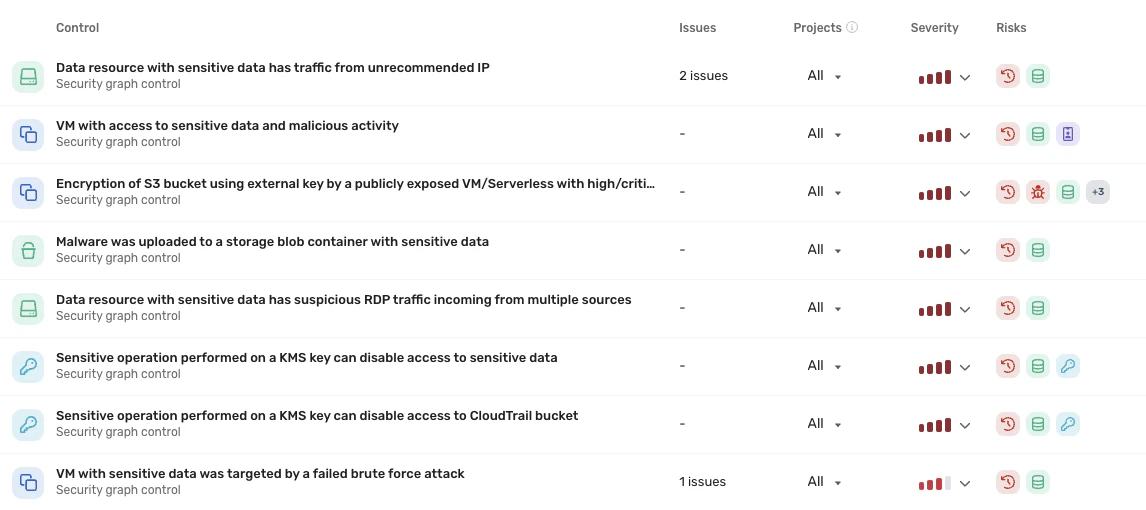
Agentless DSPM eliminates the need to install software on individual systems, enabling rapid visibility across cloud environments without operational overhead. It continuously classifies sensitive data as new resources appear and flags changes that introduce new exposure risk—including data stores security teams may not have known existed.
This approach is especially valuable in dynamic environments where resources spin up and down frequently, allowing teams to maintain full coverage without waiting for agent deployment cycles.
Contextual risk analysis
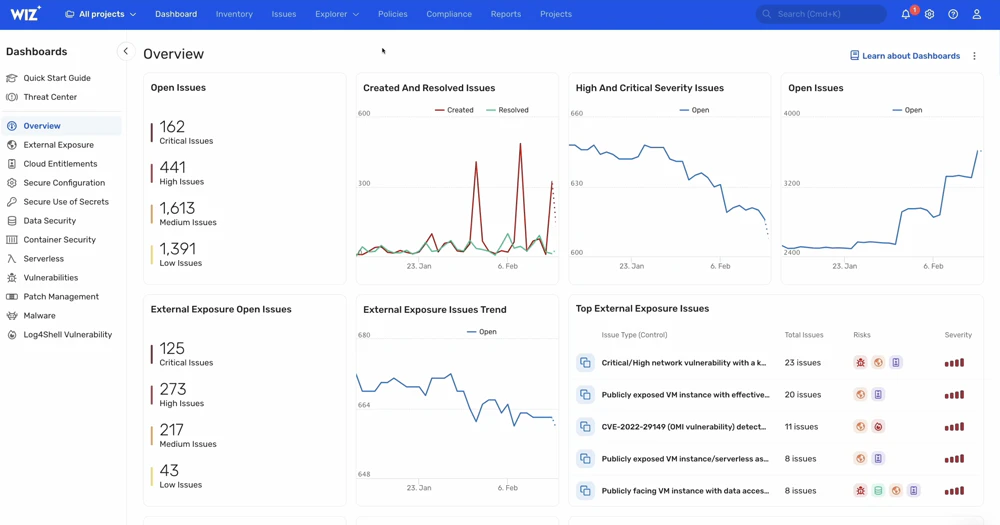
Effective DSPM connects data findings to the infrastructure, identity, and access conditions that determine actual risk. By correlating findings with public exposure signals, identity permissions, and known vulnerabilities, it surfaces actionable insights rather than raw lists of issues.
Centralized reporting ties these insights together, helping security teams communicate data security posture to leadership and auditors while supporting governance by tracking what sensitive data exists, where it lives, and who can reach it.
Integration with unified cloud security platforms
Look for a DSPM solution that continuously monitors and detects critical data exposure. The solution should also offer automated data classification to help you prioritize risks and address the most critical ones.
Standalone DSPM tools miss the broader context needed for effective risk management. Data risk is inseparable from cloud infrastructure, identity, and network exposure—and a solution operating in isolation cannot show how an attacker might chain a misconfiguration, an overprivileged identity, and an exposed database into a viable attack path.
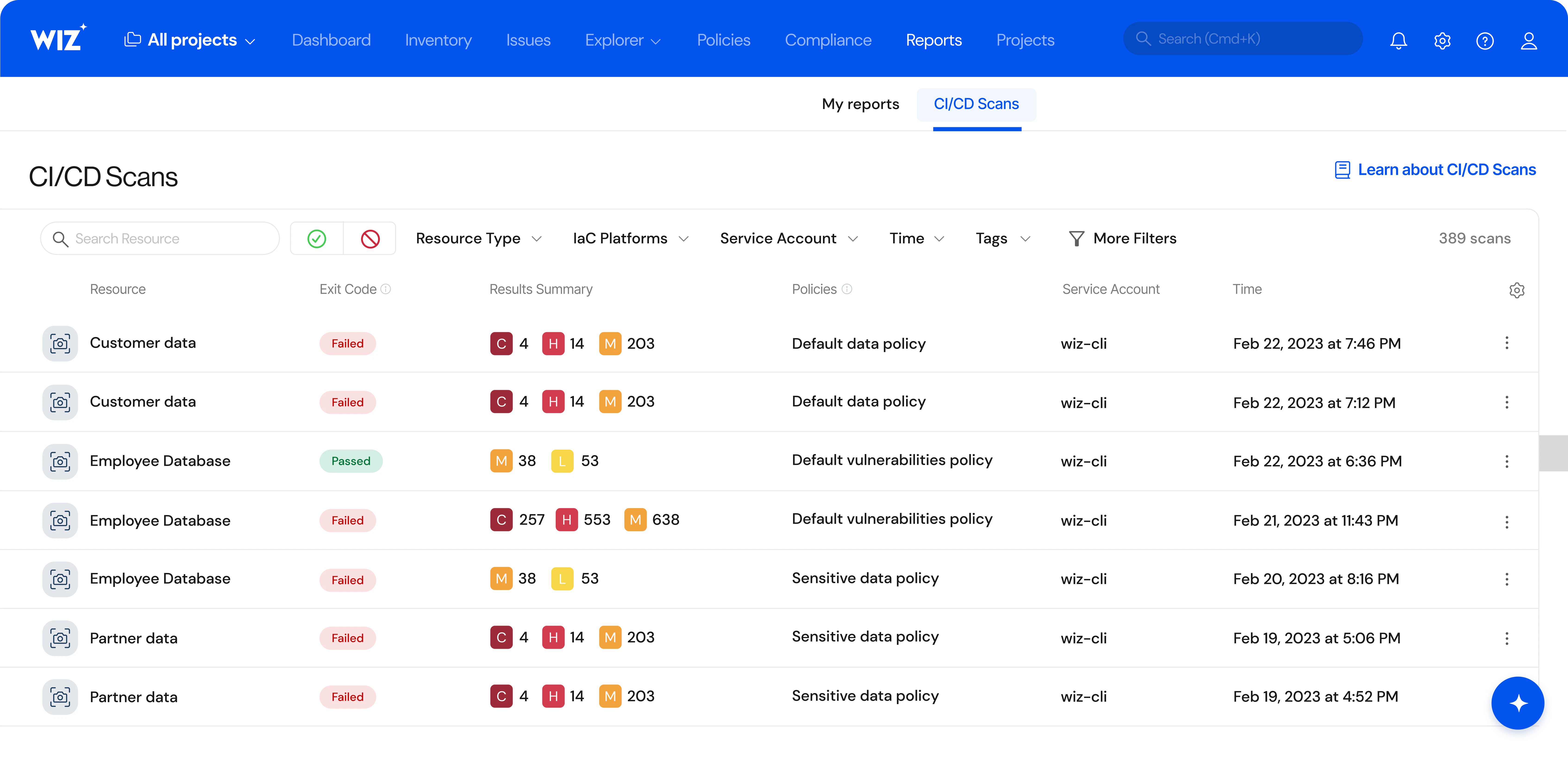
Integration with a broader cloud security platform connects DSPM findings to the full environment, revealing not just where sensitive data exists but how it could realistically be reached. It also enables CI/CD integration, so data security policies can be enforced earlier in the development lifecycle across unified workflows.
AI-ready protection and compliance automation
AI-driven workloads introduce new data security risks. In 2023, Wiz discovered that Microsoft AI researchers accidentally exposed 38 terabytes of data,—including private keys, passwords, and internal communications—through a misconfigured Azure Shared Access Signature token, illustrating how quickly sensitive training data can be exposed through routine development activity.
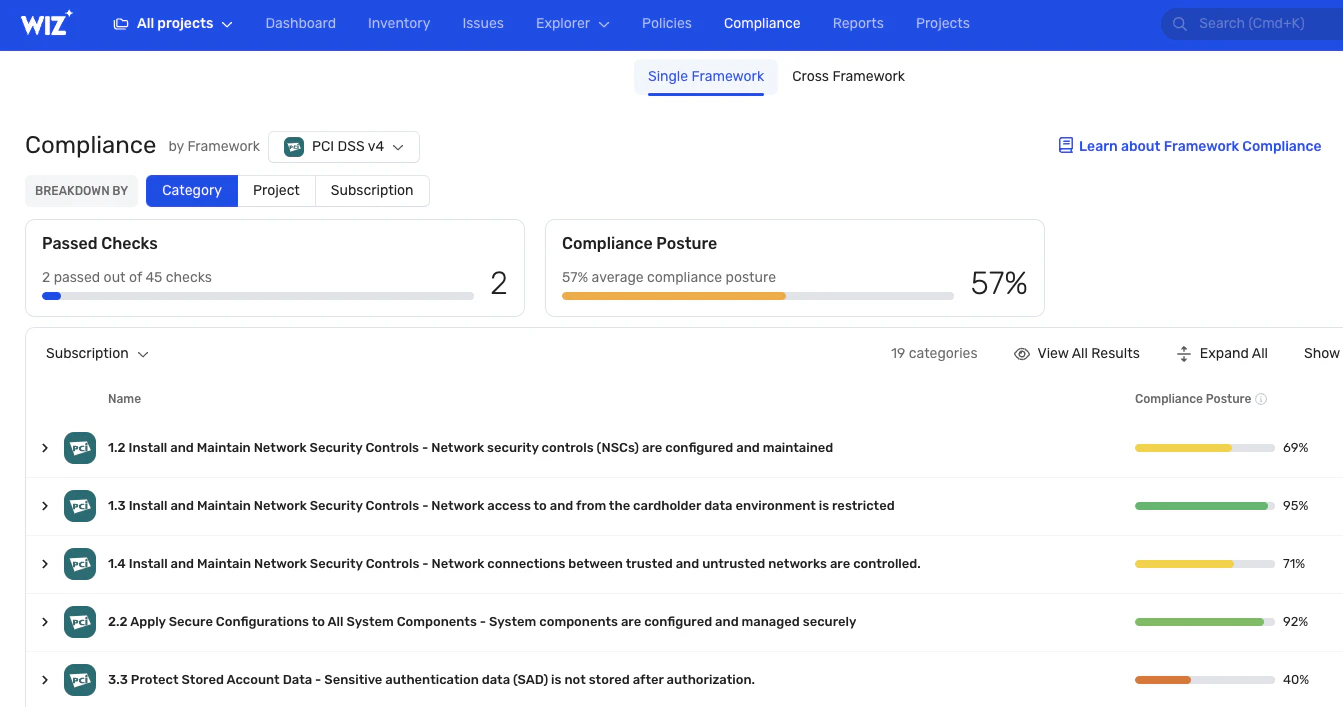
Effective DSPM automatically detects and classifies AI-related data assets, maps exposure paths specific to AI workflows, and supports compliance automation by continuously evaluating configurations against GDPR, HIPAA, PCI DSS, and CCPA—generating reports and surfacing remediation recommendations without manual audits.
Securing your data in modern cloud environments with Wiz
Addressing these challenges requires capabilities that work together, not in isolation. Data sprawl, visibility gaps, and compliance complexity are not problems that point solutions solve. They require continuous, contextual analysis integrated into existing security and development workflows. A unified cloud security platform that connects DSPM with broader posture, identity, and exposure context gives organizations the visibility they need to understand data risk across every cloud environment and act on it before a breach occurs.
We built Wiz DSPM to address exactly these challenges. Wiz continuously discovers and classifies sensitive data across cloud storage, databases, managed services, applications, code repositories, analytics pipelines, and AI workflows. By correlating data findings with cloud context, including public exposure, identity permissions, vulnerabilities, and lateral movement paths, Wiz helps security teams understand how attackers could reach sensitive data and which risks to address first.
Mattress Firm is a great example of a company leveraging integrated DSPM.
At Mattress Firm, we believe in delivering unparalleled service to our customers, and that includes keeping their data safe. Wiz's data security posture management solution helps us easily answer the question of what data is stored where, helping us protect our customer data in the cloud.
Sloan Rabon, Manager, Application & Cloud Security, Mattress Firm
Ready to see your data risks in context? Download the data security best practices cheat sheet to get practical guidance on reducing your data attack surface and meeting compliance requirements across complex multi-cloud environments. Or, schedule a personal demo to see how Wiz can improve your security posture today.
Get a 1:1 demo of your data risks
See how Wiz DSPM automatically discovers sensitive data, maps where it lives, and shows exactly how it could be accessed or exposed — all in minutes.

FAQs about DSPM
Below are common questions about modern DSPM.